
Planting
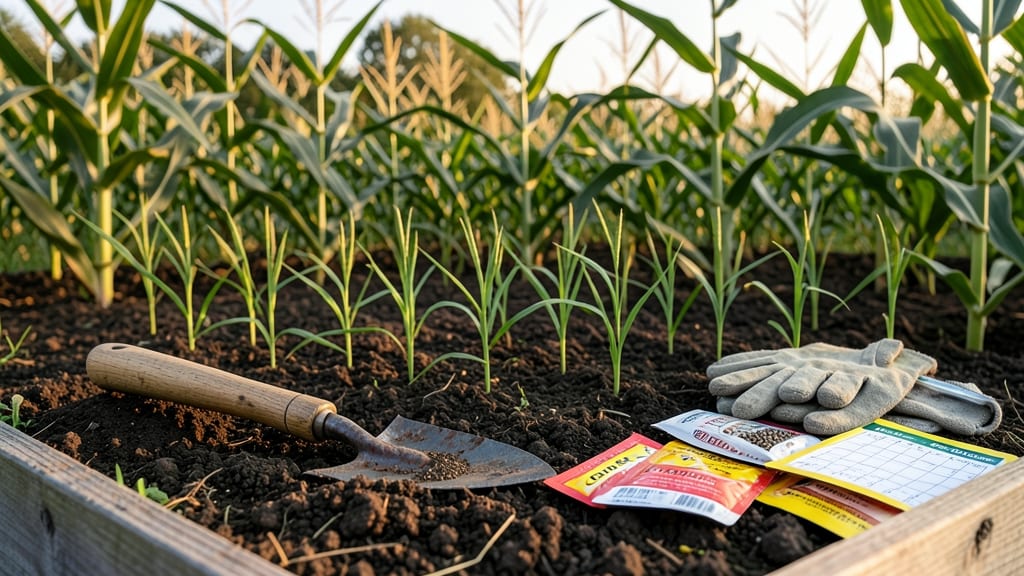
To plant a vegetable garden in Iowa, aim for mid-April to early May after the last frost—when soil warms to 50°F and stays that way.
Iowa’s unpredictable frost dates can make or break your vegetable garden—plant too early, and you risk losing your hard work to late frosts; too late, and your harvest season shrinks. Timing is everything, and knowing the exact frost-free windows for each crop can double your yield.
With USDA zones 4a–5b across the state, your planting window shifts from north to south. In northern Iowa, wait until May 10–20 for safety, while central and southern regions can start as early as April 15.
Below, I break down the best month-by-month schedule for cool-season crops like peas and lettuce versus warm-season favorites like tomatoes and corn, plus 5 proven strategies to stretch your growing season.
Iowa’s frost dates by region: critical planting windows for 2024
Iowa's growing season hinges on frost dates, which vary dramatically across its USDA zones 4a-5b. Northern Iowa (zone 4a) faces 100-120 frost-free days, while southern Iowa (zone 5b) enjoys 140-160 days.
These differences mean your spring planting window could shift by weeks—even between neighboring counties. For 2024, Iowa State Extension projects earlier-than-average spring thaw in most regions, giving gardeners a 2-week head start on traditional schedules.
Understanding these regional frost windows helps you align cool-season crops (like peas and spinach) with warm-season crops (like tomatoes and peppers). Cool-season plants thrive when soil temps hit 40°F+, while warm-season crops need 60°F+ soil—a difference that can mean the gap between safe planting and frost damage.
Using row covers or cold frames can extend these windows by 2-4 weeks in both spring and fall.
| Region | USDA Zone | Avg. Last Spring Frost | Avg. First Fall Frost | 2024 Projection | Cool-Season Window | Warm-Season Window |
|---|---|---|---|---|---|---|
| Northwest (Sioux City) | 4a | May 5 | October 1 | May 1-7 | March 15-April 30 | May 15-June 15 |
| Northeast (Dubuque) | 4b | May 10 | September 28 | April 28-May 4 | March 20-April 20 | May 1-June 10 |
| Central (Des Moines) | 5a | April 25 | October 10 | April 15-20 | March 1-April 15 | April 25-May 30 |
| Southwest (Council Bluffs) | 5a | April 20 | October 15 | April 10-15 | February 28-April 10 | April 20-May 25 |
| Southeast (Burlington) | 5b | April 15 | October 20 | April 5-10 | February 20-April 5 | April 15-May 20 |
For cool-season crops, like kale, spinach, and peas, the earliest planting window opens when soil temps hit 40°F. In southern Iowa (zone 5b), this can be as early as late February, while northern zones (4a) wait until mid-March.
Use row covers to push these dates back by 2-3 weeks if frost threatens. My 2024 tip: Start spinach seeds indoors by February 15 in all regions to ensure a ready-to-harvest crop before summer heat sets in.
Warm-season crops—like tomatoes, peppers, and cornsoil temps above 60°F and frost-free nights. In Iowa, this typically means waiting until after May 1 in most regions, but 2024’s earlier thaw could shift this to late April in southern zones.
To hedge your bets, start seedlings indoors by March 15 and transplant after the last frost date. For corn, which needs consistent warmth, wait until after May 15 to avoid stunted growth.
Fall planting is just as critical—cool-season crops like broccoli and carrots can be sown as late as July 15 in southern Iowa, but only if you’re prepared for earlier frosts. Use row covers to extend harvests into October or November
Iowa’s short growing season demands precision—planting at the right time means the difference between a bountiful harvest and wasted seeds. With USDA zones 4a-5b, we’ll focus on heat-tolerant varieties and succession planting to maximize yields. Start with cool-season crops in early spring, then transition to warm-season favorites once soil warms. For continuous harvests, stagger plantings every 2-3 weeks. For example, lettuce can be sown in early spring, again in late summer for a fall crop. Meanwhile, tomatoes and peppers need warm soil—wait until mid-May in most of Iowa. Let’s break it down month by month to ensure your garden thrives. Iowa’s unpredictable frost dates mean succession planting is key. For example, lettuce can be sown every 2 weeks from April through July for a steady supply. Similarly, bush beans thrive in Iowa’s heat—plant them in early June for a late-summer harvest. Always check seed packets for days to maturity to plan spacing. For heat-tolerant varieties, opt for ‘Early Girl’ tomatoes (65 days) or ‘Golden Bantam’ sweet corn (75 days). These mature quickly, reducing frost risk. In southern Iowa (Zone 5b), you can push the season further by planting winter squash in early July. Mulch heavily to retain soil warmth and moisture. Don’t forget fall crops! Garlic planted in October will overwinter and produce scapes in June. Meanwhile, spinach and kale sweeten after frost, making them perfect for late-season harvests. Use row covers to protect tender greens from early cold snaps. Pro tip: Keep a planting journal to track what works best in your microclimate. Note when you planted, germination rates, and harvest dates. Over time, you’ll refine your schedule to Iowa’s quirks—like that late-May frost in 2023 that caught many off guard. With this guide, you’ll be ready!Best vegetables to plant in Iowa by month: a month-by-month guide