
Planting
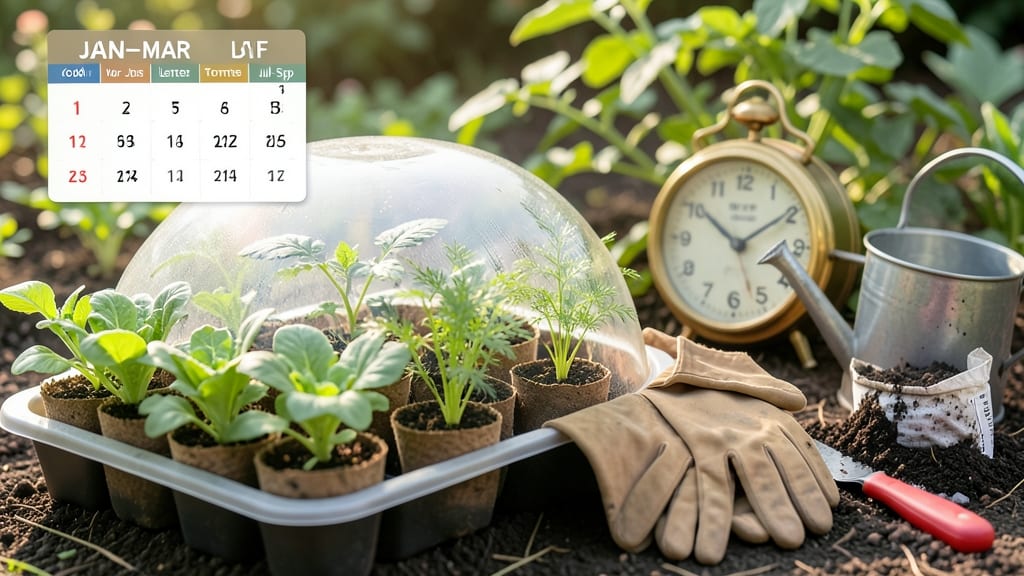
Planting a vegetable garden in California at the right time means the difference between a thriving harvest and a wilted disappointment.
California’s diverse microclimates—from coastal fog to desert heat—mean your vegetable garden’s success hinges on planting at the perfect time. Get region-specific months to maximize yields and avoid frost or scorching heat.
Whether you’re in the chilly coastal zones of San Francisco or the scorching deserts near Palm Springs, timing is everything. Plant too early, and frost will nip your seedlings. Plant too late, and the summer sun will turn your greens to crispy leaves.
Below, I break down the ideal planting windows for each California region, including frost dates, heat tolerance tips, and the best vegetables to grow in every microclimate.
You’ll learn how to adjust for late frosts, unexpected heatwaves, and even El Niño shifts—so you can enjoy a bountiful garden from spring through fall.
California planting calendar by region: coastal vs. Valley vs. desert timing
California’s three distinct gardening zones—coastal, Central Valley, and desert—each have unique frost dates and heat thresholds that dictate when to plant.
The coastal areas (like San Francisco) enjoy mild winters with rare frosts, while the Central Valley (Sacramento, Fresno) faces sudden cold snaps, and the desert (Palm Springs, Coachella) never freezes but can scorch plants in summer. Timing is everything!
For cool-season crops like lettuce and peas, coastal gardeners plant as early as September for fall harvests, while valley growers wait until October to avoid frost. Desert gardeners, however, can plant year-round for cool crops thanks to their frost-free climate.
Warm-season crops like tomatoes thrive when soil hits 60°F—coastal areas can start in March, valleys in April, and deserts in February.
Here’s a side-by-side breakdown of planting windows by region, including frost dates and heat thresholds to help you align your garden with nature’s calendar.
In coastal regions, the key is to plant cool-season crops like broccoli and carrots in fall for winter harvests, then transition to warm-season crops like peppers and eggplants by March.
The Central Valley has a shorter window for cool crops due to early frosts, so prioritize fast-maturing varieties like radishes or spinach planted in October. Meanwhile, desert gardeners can grow heat-loving crops like okra and sweet potatoes year-round, but avoid planting until soil warms to 75°F in spring.
Succession planting is critical in all regions. For example, coastal gardeners can stagger lettuce every 2 weeks from September to January to ensure continuous harvests. In the Central Valley, plant tomatoes in April and again in July for fall harvests before the first frost.
Desert gardeners should focus on shade cloth for summer planting to protect tender seedlings from intense sun.
Watch for unpredictable weather like the Santa Ana winds in coastal areas, which can cause late frosts. Use row covers or move potted plants indoors if frost is forecasted. In the desert, sudden monsoon rains can wash away seedlings, so mulch heavily to retain moisture and prevent erosion.
Each region’s quirks demand flexibility—adjust your planting schedule based on local weather patterns rather than rigid calendars.
Pro tip: Use seed packets as your guide—they often list days to maturity and recommend planting windows tailored to California’s zones.
For instance, bush beans take 50-60 days to harvest, so coastal gardeners should plant them in April for a June-July harvest, while valley gardeners wait until May to avoid early frosts. Desert gardeners can plant beans as early as February but must provide afternoon shade during peak summer heat.
Don’t overlook soil temperature—it’s the ultimate deciding factor. Use a soil thermometer to confirm when to plant. Coastal soils may stay cool until March, while desert soils can hit 80°F by February. Warm-season crops like cucumbers won’t germinate below 60°F, so wait until soil warms naturally.
In the Central Valley, black plastic mulch can raise soil temperature 5-10°F faster, giving you an earlier start for heat-loving plants.
Plan for
Best crops for each California microclimate and their planting windows
California’s coastal, valley, and desert regions each offer unique growing conditions that favor different vegetables. Coastal areas thrive with cool-season crops like kale and strawberries, while Central Valley heat loves tomatoes and peppers. Desert zones excel with melons and okra that tolerate extreme heat.
Timing your plantings to these microclimates ensures bountiful harvests.
In coastal regions, strawberries and kale should be planted in late winter to early spring (February–March) to avoid coastal fog delays. Central Valley gardeners plant tomatoes and peppers in late spring (April–May) when soil warms above 60°F. Desert areas like Palm Springs favor melons and okra planted in late winter (February) to escape summer scorching.
Here’s a quick reference for optimal planting windows and companion planting tips by region:
| Region | Best Crops | Planting Window | Companion Plants |
|---|---|---|---|
| Coastal (SF, LA) | Kale, Strawberries, Lettuce | Feb–March (cool crops) | Bush beans, radishes |
| Central Valley (Sacramento, Fresno) | Tomatoes, Peppers, Corn | April–May (warm crops) | Basil, marigolds |
| Desert (Palm Springs, Coachella) | Melons, Okra, Sweet Potatoes | Feb–March (escape heat) | Cucumbers, nasturtiums |
For coastal gardens, pair strawberries with bush beans to deter pests and improve soil nitrogen. In the Central Valley, tomatoes grow best near basil, which repels flies and enhances flavor. Desert melons thrive when planted with nasturtiums, which deter squash bugs and attract pollinators.
Adjust your planting schedule if unusual weather strikes—like late Santa Ana winds in coastal areas or early heatwaves in the desert. Use row covers for frost-sensitive crops or shade cloth for desert plants during peak summer heat. Succession planting (e.g., lettuce every 2 weeks) ensures continuous harvests.
By aligning your planting windows with your microclimate and using companion planting, you’ll maximize space, reduce pests, and enjoy a year-round harvest tailored to California’s unique growing zones. Start small, experiment with varieties, and watch your garden thrive! 🌱