
Planting
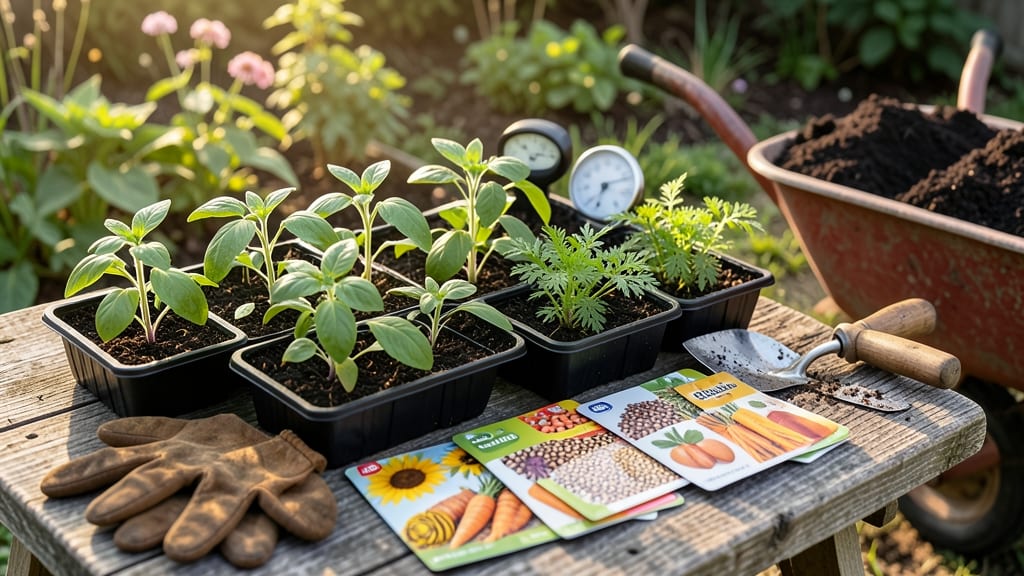
To plant a garden in your zone without risking frost damage, time it with your last frost date—typically mid-April in Zone 6a—but the exact window depends on what you’re growing.
Missed deadlines mean wilted dreams—not just for your favorite tomatoes, but for your entire garden’s success. Knowing the exact frost-free window for your zone can turn a gamble into a thriving harvest, but most gardeners still guess wrong.
Cool-season crops like lettuce and peas can handle light frosts, while heat-lovers like basil and cucumbers need warm soil. Below, I break down the optimal planting deadlines by plant type, so you can avoid common mistakes and maximize your harvest.
You’ll learn how to adjust for early or late frosts, when to start seeds indoors, and how soil temperature plays a bigger role than air temperature. Let’s get your garden off to the right start!
How to find your exact last frost date for zero-frost-risk planting
Determining your exact last frost date is the foundation of a successful garden. A late frost can kill tender seedlings overnight, while planting too early risks stunted growth or failure.
The key lies in combining USDA zone maps, local historical data, and microclimate observations to calculate your frost-free window—the period between your last spring frost and first fall frost.
Start by identifying your USDA hardiness zone using the official USDA Plant Hardiness Zone Map. This gives you a baseline, but remember: zones only account for average temperatures, not your specific microclimate.
For example, a valley might frost 2-3 weeks later than a hilltop just miles away due to cold air settling in low areas.
Next, check your local National Weather Service records or historical frost data from sources like Almanac.com. Look for the average last frost date for your area, but don’t stop there. The 10-year average gives a better picture than a single year’s data.
For instance, in Zone 7b, the average last frost is April 15, but some years it occurs as late as May 5.
Adjust for your microclimate factors, which can shift your frost dates by 1-3 weeks. Consider these common influences:
- Urban areas: Warmer due to concrete and buildings (plant 1-2 weeks earlier)
- South-facing slopes: Warmer (plant 7-10 days earlier)
- Low-lying areas: Colder (plant 7-10 days later)
- Near large bodies of water: Moderated temperatures (plant 3-5 days earlier)
For a zero-frost-risk approach, add a 2-week buffer to your average last frost date. This accounts for unpredictable late frosts. For example, if your average last frost is April 15, aim for May 1 for planting tender annuals like tomatoes or peppers. Cold-hardy crops like kale or peas can handle light frosts and may be planted 2-3 weeks earlier.
Use historical frost dates from the past 5-10 years to refine your timeline. Websites like NOAA Climate Data provide detailed records. For instance, if your area has experienced late frosts in 3 out of the last 5 years, extend your buffer to 3 weeks for sensitive plants.
Here’s how to apply this to your garden planning:
- Cold-hardy crops (e.g., spinach, lettuce, broccoli): Plant 4-6 weeks before your average last frost date.
- Moderate-hardy crops (e.g., carrots, beets, onions): Plant 2-3 weeks before your last frost date.
- Tender crops (e.g., tomatoes, peppers, basil): Wait until 2 weeks after your average last frost date.
For container gardening, your frost dates may shift slightly. Containers warm up faster in the sun but also cool down quicker. Add 1 extra day of buffer for potted plants compared to in-ground gardens.
Don’t forget to calculate your first frost date in fall for planning fall crops. Subtract your frost-free days (typically 150-200 days in most zones) from your last frost date.
For example, in Zone 6a, with a last frost of April 15, your first frost is around October 15, leaving ~180 frost-free days.
Pro tip: Use frost-sensitive plants like coleus or sweet potatoes as natural indicators. If they survive a night without protection, your frost risk has passed for most tender crops.
🌱