
Planting
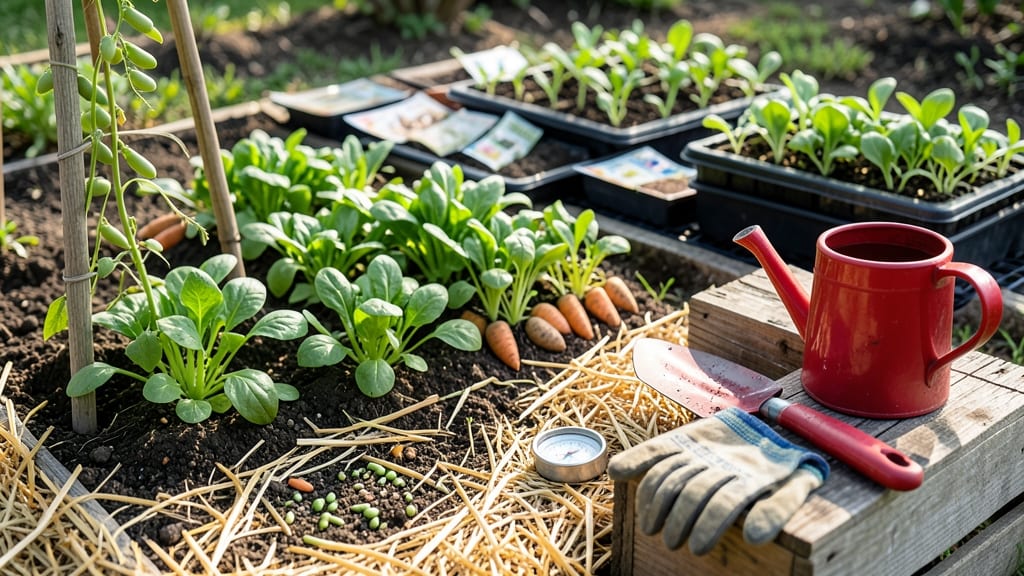
To plant a garden in Utah, time it between late March and mid-May for spring crops or August and September for fall plantings—when soil temperatures and frost risks align with your 🌱 General Garden Plants.
Utah’s unpredictable climate—from scorching summers to early frosts—can make timing your garden planting a high-stakes guessing game. Get it wrong, and your seeds could fry, rot, or never sprout. But with the right strategy, you’ll maximize yields and avoid common pitfalls that plague Utah gardeners.
Whether you’re in the 5a-8b zones of northern Utah or the milder 8b of St. George, knowing your last frost date is the key. Northern gardens wait until mid-April, while southern Utah can start as early as late March—so don’t rush into the soil too soon.
Below, I’ll break down the best planting windows for vegetables, flowers, and perennials, plus pro tips to beat Utah’s dry heat and sudden cold snaps. Ready to grow a thriving garden? Let’s get started.
Utah’s planting zones & microclimates: when to start seeds indoors vs. outdoors
Utah’s diverse geography creates a patchwork of USDA planting zones 4-8, meaning your neighbor’s perfect tomato harvest might fail in your garden. The Wasatch Front (Salt Lake City) sits in zone 6b, while Southern Utah’s St. George enjoys zone 8b—a 15°F temperature swing that dramatically shifts planting windows.
Understanding these zones helps you avoid late frosts that can wipe out seedlings overnight or heat waves that turn tender greens to mush.
Microclimates further complicate things. A south-facing slope in Park City might warm up 2-3 weeks earlier than a valley floor, while high-desert areas like Moab experience colder nights despite daytime warmth.
Even within Salt Lake Valley, urban heat islands can push last frost dates 7-10 days later than rural areas. These variations mean one-size-fits-all planting guides won’t cut it—you need a localized strategy.
Here’s the critical timeline for Utah gardeners: Start cool-season crops (spinach, peas, kale) indoors 6-8 weeks before your last frost date, while warm-season plants (tomatoes, peppers, squash) need 4-6 weeks indoors before soil temps hit 60°F+.
Miss these windows, and you’ll either overcrowd seedlings or plant too late for a full harvest.
For cool-season crops, like lettuce or broccoli, aim to transplant 2-3 weeks before your last frost date. These plants thrive in 50-60°F soil and can even handle light frosts (down to 25°F for hardy varieties like kale).
In Northern Utah, that means late April transplants, while Southern Utah gardeners can start as early as mid-March.
Warm-season crops—think tomatoes, peppers, and cucumbers—demand warmer soil temps (60°F+) and consistent warmth. Wait until 2
Best planting calendar for Utah gardens: month-by-month guide by plant type
Utah’s diverse climate—from the cool mountain valleys of Park City to the desert-like heat of St. George—means your planting schedule should adapt to your exact location.
I’ve broken down the best times to plant cool-season crops, warm-season favorites, and year-round staples so you can avoid frost damage or wilting under Utah’s intense summer sun.
For high-altitude areas like Park City or Ogden, start seeds indoors 4-6 weeks earlier than lowland regions. Southern Utah gardeners in St. George or Cedar City can plant 2-3 weeks ahead of their northern counterparts.
Always check your local last frost date—typically April 15 in the north and March 15 in the south.
- 1 March: Start cool-season crops indoors (kale, spinach, peas) and plant hardy greens outdoors in southern Utah (St. George). Herbs like parsley and cold-hardy onions can go in the ground.
- 2 April: Transplant cool-season starts outdoors after last frost. Plant potatoes, carrots, and lettuce in northern Utah. Begin warm-season seeds (tomatoes, peppers) indoors for late May transplanting.
- 3 May: Plant tomatoes, squash, and cucumbers outdoors in all regions after soil warms to 60°F+. Succession plant beans and zucchini every 2 weeks for continuous harvests. Herbs like basil thrive in May’s warmth.
- 4 June-July: Focus on summer crops like peppers, eggplants, and melons. Mulch heavily to retain moisture. Direct-sow heat-loving crops in southern Utah; northern gardeners should wait until June 15+.
- 5 August: Start fall crops indoors (broccoli, cabbage) or direct-sow spinach and peas outdoors. Succession plant lettuce and radishes for late harvests. Southern Utah can plant warm-season crops until August 30.
- 6 September: Plant cool-season crops outdoors before first frost (October 15 in north, November 15 in south). Garlic and onions can be planted for spring harvest. Cover tender plants with row covers to extend the season.
Utah’s year-round herbs like thyme, rosemary, and oregano can be planted anytime, but spring and fall are ideal for maximum growth. For high-altitude gardens, prioritize fast-maturing varieties to beat early frosts. Always monitor soil moisture—Utah’s dry air means plants need consistent watering, especially in summer.
Pro tip: Use season extenders like cold frames or hoop houses to push your planting windows. In St. George, you can grow warm-season crops until November 1, while northern Utah gardeners should wrap up by October 1 to avoid frost damage.
With this schedule, you’ll enjoy homegrown harvests year-round!