
Planting
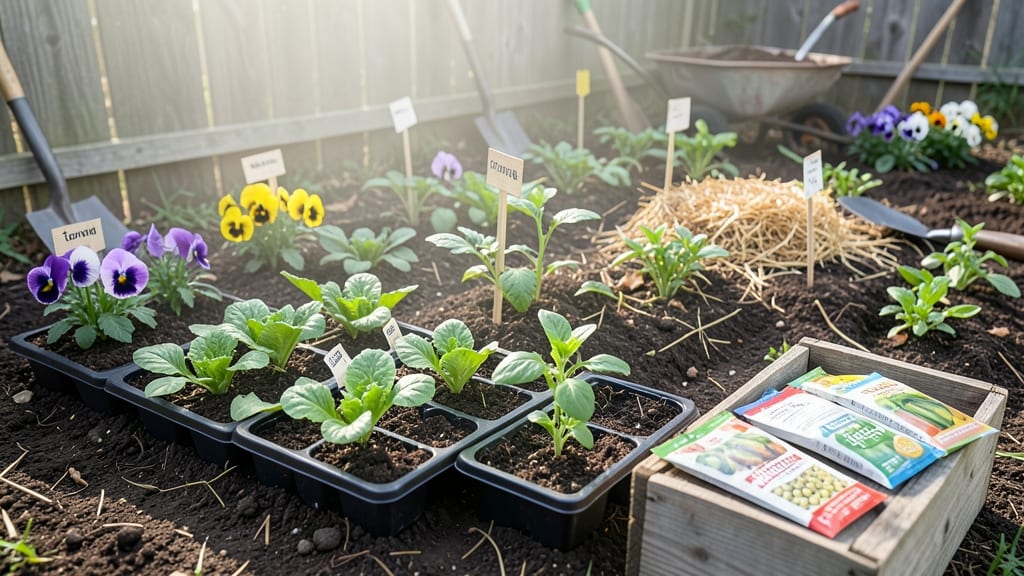
To plant a garden in Tennessee at the right time means catching the sweet spot between last frost and summer’s sweltering heat—typically March to May for most General Garden Vegetables & Flowers 🌱.
Tennessee’s diverse climate—from humid subtropical to highland regions—means planting your garden at the wrong time could mean stunted growth or crop failure. Timing is everything, and missing these zone-specific deadlines could cost you months of harvest potential.
In USDA Zones 6a-7b, where most of the state falls, cool-season crops like lettuce and peas thrive when soil warms to 60°F after March 15, while tomatoes and peppers wait until late April or May.
But Nashville’s microclimate runs cooler than Memphis, so your neighbor’s success doesn’t guarantee yours.
Below, I break down the exact planting windows by zone, how to adjust for humidity and pests, and the fastest way to stretch your growing season—so you’re harvesting instead of second-guessing.
Tennessee planting zones: when to start cool-season vs. warm-season crops
Tennessee spans USDA hardiness zones 5a to 8a, creating dramatic differences in frost dates and growing seasons.
In Zone 5a (northeast mountains), last frosts arrive as late as May 15, while Zone 8a (Memphis area) sees no frost until March 1—a 6-week difference that dictates your planting calendar.
Understanding these zones helps you avoid frost damage to tender crops like tomatoes or bolting in cool-weather greens.
Cool-season crops—think lettuce, spinach, and peas—thrive in Tennessee's spring and fall, while warm-season plants like tomatoes and peppers need soil temperatures above 60°F to germinate. The key is planting 6-8 weeks before last frost for cool crops and 2-3 weeks after for warm varieties.
My Zone 6b garden in Nashville, for example, gets 180 frost-free days, limiting my warm-season window to May through October.
Here’s how Tennessee’s zones break down for your planting timeline:
In Zone 5a, I start cool-season seeds indoors by March 1 to transplant outdoors after April 15, using row covers for extra protection. Meanwhile, in Zone 8a, gardeners can direct-sow warm-season crops like peppers as early as February 15—a luxury that saves months of waiting.
The transition zone (6a/7a) offers the most flexibility, allowing both spring and fall planting of nearly every crop.
For warm-season crops, wait until soil temperatures hit 60°F—use a soil thermometer to avoid false starts. In my Zone 6b garden, I test soil in late April; if it’s below 60°F, I hold off on planting tomatoes or peppers until May 15.
Pro tip: Black plastic mulch warms soil faster, giving you a 2-week head start on the season.
Don’t overlook fall planting—it’s my favorite time to grow cool-season crops like broccoli and carrots. In Zone 7a, I sow seeds by August 1 for a harvest before first frost (typically November 1).
The 100-day rule applies here: if your crop matures in 100 days, plant it 100 days before frost to ensure a full harvest.
Microclimates add another layer—urban areas like Nashville run 2-3°F warmer than rural zones, pushing last frost dates 1-2 weeks later. If you’re in a sheltered valley or near a large body of water, expect earlier springs and later falls.
Always check local frost records from your county extension
Best months to plant specific vegetables in Tennessee (by Zone)
Tennessee’s diverse microclimates—from Nashville’s urban heat islands to Chattanooga’s cooler highlands—mean your planting schedule should adapt. Zone 6a areas (like East Tennessee) have shorter growing seasons, while Zone 7b (West Tennessee) can stretch harvests later.
I’ve broken down the best times to plant heat-tolerant and cold-hardy crops, including when to start seeds indoors versus direct sowing outdoors.
For cool-season crops like lettuce, spinach, and peas, start seeds indoors 6-8 weeks before your last frost date (typically mid-March in most zones). Warm-season crops such as tomatoes, peppers, and cucumbers thrive when soil temps hit 60°F+, usually by late April or early May.
In Zone 8a (Memphis area), you can plant heat-lovers like okra and sweet potatoes as early as March.
- February-March: Start cool-season seeds indoors (lettuce, broccoli, cabbage). Hardy crops like kale and peas can go directly in soil in Zone 7b+.
- Late March-Early April: Transplant seedlings (tomatoes, peppers) after last frost. Direct sow beans, corn, and squash in warmer microclimates (e.g., Nashville).
- May-June: Plant heat-tolerant crops (okra, sweet potatoes, southern peas) in Zone 6a-7b. Use shade cloth for tender greens.
- July-August: Begin fall gardens with cool-season crops (spinach, radishes). Succession plant lettuce every 2 weeks.
- September-October: Last chance for cold-hardy crops (kale, carrots, garlic). Cover with row fabric to extend harvests into November.
Adjust for microclimates: A south-facing slope in Chattanooga warms faster than a north-facing valley, letting you plant 2-3 weeks earlier. Urban Nashville gardens often see 5°F warmer temps than rural areas, delaying frost. Always check local frost dates—your county extension office has the most accurate data.
For heat-sensitive crops like basil and cucumbers, use drip irrigation and mulch to retain moisture during Tennessee’s humid summers. Drought-tolerant crops like squash and okra thrive in Zone 7b+ with minimal extra water.
In Zone 6a, prioritize fast-maturing varieties (e.g., bush beans over pole beans) to avoid fall frosts.
Pro tip: Mark your calendar for August 15—this is your last chance to plant cool-season crops for a fall harvest in most of Tennessee. Succession planting every 2 weeks ensures a steady supply of leafy greens and radishes until first frost (usually mid-November in Zone 6a, late November in Zone 7b).
Don’t forget perennials! Plant asparagus crowns in early spring (March) for a harvest in Year 3. Strawberries thrive when planted in fall (September-October), establishing roots before winter. For herbs like rosemary and thyme, spring planting works best—they hate soggy soil and humid summers.