
Planting
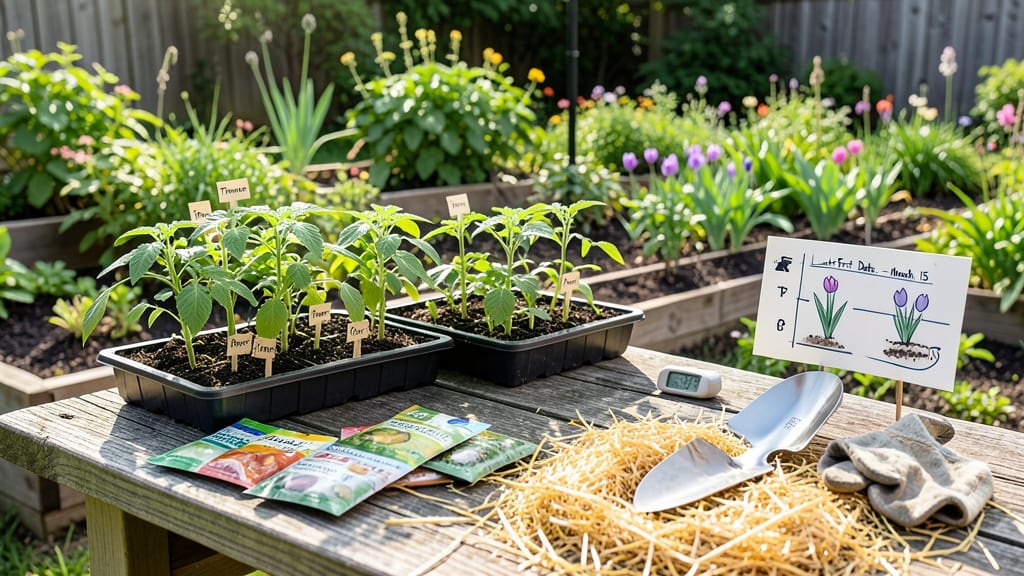
Planting a garden in South Carolina at the right time means the difference between a lush harvest and a season of disappointment—especially with the state’s tricky frost dates and sweltering summers.
Timing your General Garden 🌱 can feel like guessing, but missing the window by even a few weeks can leave you with stunted plants or bolting greens. The key is knowing when the soil warms, when the last frost passes, and how humidity affects growth.
In this guide, I’ll break down the exact planting windows for your USDA 7a-8b zone, from cool-season crops like broccoli to heat-lovers like tomatoes. You’ll also learn how to adjust for container gardening or raised beds if space is tight.
By the end, you’ll have a foolproof schedule—no more wasted seeds or missed harvests. Let’s get your garden started on the right foot!
South Carolina planting zones: when to start seeds and transplant vegetables
South Carolina spans USDA Hardiness Zones 7b to 8a, meaning its last spring frost typically arrives between mid-March and early April, while the first fall frost hits around mid-November. These dates create a 210-240-day growing season, perfect for both cool-season and warm-season crops—but timing is everything.
Plant too early, and a late frost will kill tender seedlings; too late, and your harvest suffers from heat stress.
To nail your planting schedule, I recommend using the Clemson University Extension frost-free date calculator (or the National Weather Service's climate data) for your specific county. Even a 5-mile elevation shift can delay frost by a week or more.
For example, Charleston (Zone 8a) enjoys a longer growing season than Greenville (Zone 7b), where cooler nights linger longer.
For cool-season crops like broccoli and lettuce, I start seeds indoors 6-8 weeks before the last frost (around late February). These plants thrive in 50°F-60°F soil and can even handle light frosts once established.
In Zone 8a areas like Charleston, you can push a fall harvest by planting lettuce and spinach in late August—just cover them with row fabric if a cold snap hits.
Warm-season crops like tomatoes and peppers are trickier. They demand soil temperatures above 60°F, so I wait until mid-April to transplant seedlings outdoors. Use a soil thermometer to confirm—cool soil stunts root growth.
For direct-sown warm crops like cucumbers, I wait until late May when nighttime temps stay above 55°F consistently. Pro tip: Black plastic mulch warms the soil faster and speeds up germination.
If you’re unsure about your local frost dates, the Almanac’s Frost/Freeze Calculator is a lifesaver. Plug in your ZIP code, and it’ll give you historical averages plus a 10-year trend.
For example, Columbia (Zone 7b) has seen later frosts in recent years due to climate shifts—so don’t rely on "traditional" dates. I also recommend planting a frost-sensitive test crop like basil a week before your target date to gauge safety.
Container gardeners in South Carolina have an edge: pots warm up faster in spring and can be moved to sheltered spots if frost threatens. For raised beds, add straw mulch in early spring to raise soil temps by 5-10°F.
And if you’re in Zone 8a, you might even squeeze in a winter harvest of kale or carrots with row covers—just monitor temps closely.
One common mistake I see? Planting warm-season crops too early because the soil is "dry." Moisture doesn’t equal warmth—check with a thermometer. Another pitfall is overcrowding seedlings when transplanting.
Give tomatoes 18-24 inches of space and peppers 12-18 inches to prevent fungal diseases in South Carolina’s humid summers. Thin seedlings ruthlessly to avoid competition.
For succession planting, I recommend sowing bush beans every 2 weeks from May through July for continuous harvests. The same goes for lettuce and radishes—short-lived crops that replenish quickly.
And don’t forget: Southern peas (cowpeas) thrive in the heat and can be direct-sown as early as April in Zone 8a, making them a low-risk staple.
Finally, keep a gardening journal to track your success. Note when you planted, any frost surprises, and how long it took for crops to mature. Over time, you’ll refine your schedule to beat South Carolina’s quirks—like the unpredictable "black frost" that can hit in November when temps drop suddenly.
With the right timing, your garden will reward you with bold flavors and bumper crops all season long. 🌱
Extending your South Carolina growing season: cold frames, row covers, and succession planting
South Carolina’s warm winters and long summers give gardeners a unique opportunity to grow food year-round—but only if you know how to extend your growing season. With the right techniques, you can enjoy fresh greens in winter and tomatoes in early spring, even when frost threatens.
The key lies in cold frames, row covers, and succession planting, all tailored to our state’s USDA Zones 7b-8a.
I’ve found that cold frames are my secret weapon for winter gardening. These simple, low-cost structures can protect leafy greens like spinach and kale from light frosts, allowing harvests into January or February.
Meanwhile, row covers (also called frost blankets) let me shield frost-sensitive plants like broccoli and carrots from unexpected chilly nights. And when it comes to succession planting, I’ve learned that spacing out lettuce, radishes, and beans every 2-3 weeks keeps my kitchen stocked all season long.
- 📅 Cold Frames: Build a simple frame with clear plastic or glass over winter greens (spinach, kale) to trap heat. Ideal for fall/winter harvests when temps drop to 30°F.
- 🛡️ Row Covers: Use lightweight fabric to protect frost-sensitive crops (lettuce, cabbage) during light frosts (28-32°F). Remove during the day for pollination.
- 🔄 Succession Planting: Sow radishes every 2 weeks and lettuce every 3 weeks from March to September for continuous harvests.
- 🌡️ Soil Warmers: Lay black plastic mulch in early spring to warm soil faster for warm-season crops (tomatoes, peppers).
- 🌿 Fall Planting: Direct-sow broccoli and carrots in August for fall/winter harvests before first frost (mid-November).
For cold frames, I recommend using a low-cost DIY design with wooden frames and clear plastic sheeting. Place them on south-facing slopes to maximize sunlight exposure.
Inside, you can grow spinach, arugula, and even herbs like cilantro, which thrive in cooler temperatures. Just remember to ventilate on warm days to prevent overheating.
When it comes to row coverspeppers and eggplants in early spring. I’ve had great success with floating row covers, which allow water and air to reach the plants while shielding them from 28°F temperatures.
For succession planting, I stick to a simple schedule: radishes every 10 days, lettuce every 3 weeks, and beans every 2 weeks from late spring through summer.
One of my favorite fall strategies is planting garlic in October—it overwinters and produces scapes in spring. Pair that with cold-hardy kale and collard greens, and you’ll have a winter harvest even when snow flurries visit.
The key is starting early and protecting your plants with the right tools.
Don’t let South Carolina’s short growing windows limit your harvests. With these techniques, you can enjoy fresh produce year-round—whether it’s spring radishes, summer tomatoes, or winter greens.
Start small, experiment with what works best in your microclimate, and soon you’ll be growing food in every season! 🌱