
Planting
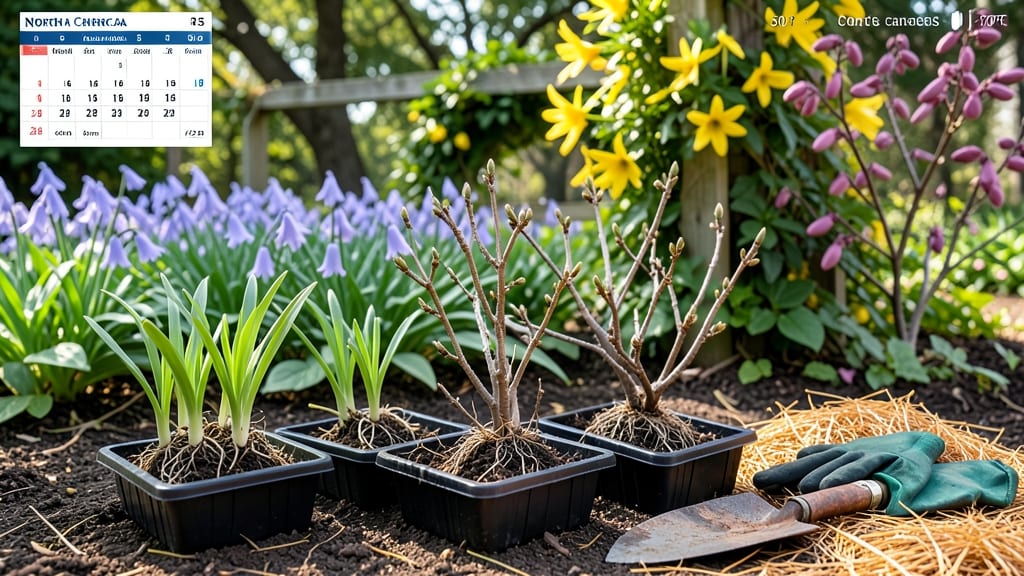
Planting a garden in North Carolina depends on your crop and climate zone, but the ideal window starts 6 weeks before your last spring frost — typically late February to early April for most of the state.
North Carolina’s mild winters and humid summers make gardening a year-round adventure—but timing is everything. Plant too early, and frost will wipe out your hard work; too late, and your harvest suffers. Here’s your USDA Zone 7b/8a planting calendar to maximize yields from cool-season greens to heat-loving tomatoes.
Cool-season crops like lettuce and peas thrive when soil temperatures hit 40°F, while warm-season favorites such as tomatoes and peppers need soil at 60°F or warmer. Coastal areas may have earlier frost dates than the Piedmont, so adjust your schedule accordingly.
In this guide, you’ll find exact planting deadlines for 30+ crops, frost-free date maps, and tips for extending your growing season with row covers. Whether you’re a first-time gardener or a seasoned pro, these strategies will help you avoid common mistakes and get the most from your NC garden.
NC planting deadlines by crop type: cool vs warm season schedules
North Carolina’s transitional climate means we can grow everything from frost-tender okra to cold-hardy kale—but only if we plant at the right time. The last average frost date (March 15–April 15) and first frost (November 15–December 15) bookend our growing windows.
Miss these deadlines, and you’ll either lose crops to freeze damage or struggle with bolting in heat-sensitive plants.
Cool-season crops thrive in 50–75°F soil and can handle light frosts, while warm-season plants need 60°F+ soil to germinate. Below, I’ve broken down the optimal planting windows for NC’s most popular crops, plus pro tips to stretch your harvests.
🌱
| Crop Type | Planting Window | Soil Temp (°F) | Last Chance | Notes |
|---|---|---|---|---|
| Cool-Season Veggies | Feb–March Aug–Sept (fall) |
45–65°F | April 15 (spring) Sept 30 (fall) |
Peas, spinach, broccoli |
| Warm-Season Veggies | April 15–May 31 | 60–85°F | June 15 | Tomatoes, peppers, okra |
| Herbs | March–April July–Aug (fall) |
50–70°F | Sept 15 (fall) | Basil (warm), parsley (cool) |
| Flowers | March–April July–Aug |
55–75°F | Sept 1 (annuals) | Marigolds, zinnias, snapdragons |
| Succession Planting | Every 2–3 weeks | Varies | Sept 15 | Lettuce, radishes, beans |
🌿 Pro Tip: Use row covers to extend cool-season planting by 2–3 weeks.
For cool-season crops like lettuce and carrots, I start seeds indoors in late January to get a jump on the March 15 last frost date. Direct-sow hardy greens like spinach and kale as soon as soil is workable (around 45°F).
In the Piedmont region, aim for February 15 planting, while Coastal NC gardeners can push to March 1 thanks to milder winters.
Warm-season plants like tomatoes and peppers demand patience—wait until soil reaches 60°F+ (usually mid-April) to avoid stunted growth. I always harden off seedlings for 7–10 days before transplanting after the last frost.
For okra and sweet potatoes, hold off until May 15 when nighttime temps stay above 65°F.
Herbs like basil and cilantro have opposite needs: basil bolts in 75°F+ heat, so I plant it in May–June and harvest aggressively, while cilantro thrives in
How to adjust planting times for NC’s microclimates and soil conditions
North Carolina’s diverse regions—from the Piedmont’s rolling hills to the Coastal Plain’s humidity—create unique gardening challenges. The Piedmont (USDA Zone 7b) typically enjoys earlier springs and cooler nights, while the Coastal Plain (Zone 8a) stays warmer longer but faces heavier clay soils.
Adjusting your planting schedule by just 2-4 weeks can mean the difference between a thriving garden and a failed crop.
Soil conditions play a critical role too. Clay-heavy soils in the Piedmont drain poorly, while sandy Coastal soils dry out quickly. Amending with compost or organic matter improves drainage and moisture retention.
For example, tomatoes planted in unamended clay soil may rot, while okra in sandy soil might struggle without extra water. Test your soil’s pH and texture before planting—aim for 6.0-7.0 pH and a balance of sand, silt, and clay.
Here’s how to fine-tune your planting schedule based on NC’s microclimates:
For clay soils, mix in 3-4 inches of compost or aged manure before planting. This improves drainage and reduces compaction. In sandy soils, add peat moss or coconut coir to retain moisture. Mulching with straw or pine needles helps regulate soil temperature and reduce water loss.
For example, carrots in sandy soil may need daily watering until established, while kale in clay soil benefits from weekly deep watering.
Extend your growing season with low-tech solutions. Row covers (floating fabric) protect broccoli and lettuce from light frosts down to 25°F, while cold frames (clear plastic boxes) can add 4-6 weeks to your fall harvest.
In the Coastal Plain, shade cloth (30-50%) prevents bolting in heat-sensitive greens like spinach during summer. Always remove covers during the day to avoid heat stress on plants.
Use a risk assessment approach: if your area has a history of late frosts (check local records), delay planting heat-lovers like tomatoes until May 15. Conversely, if you’ve had mild winters, you can safely plant cool crops like peas as early as February 1 in the Coastal Plain.
Monitor soil temperature with a thermometer—most warm-season crops need soil at 60°F+ to thrive.
Adjusting for microclimates and soil conditions turns NC’s gardening challenges into opportunities. Start with small test plots to refine your timing, and don’t hesitate to consult local extension offices for hyper-local advice.
With the right adjustments, you’ll enjoy longer harvests and hardier plants—no matter where you garden in the Tar Heel State. 🌱