
Planting
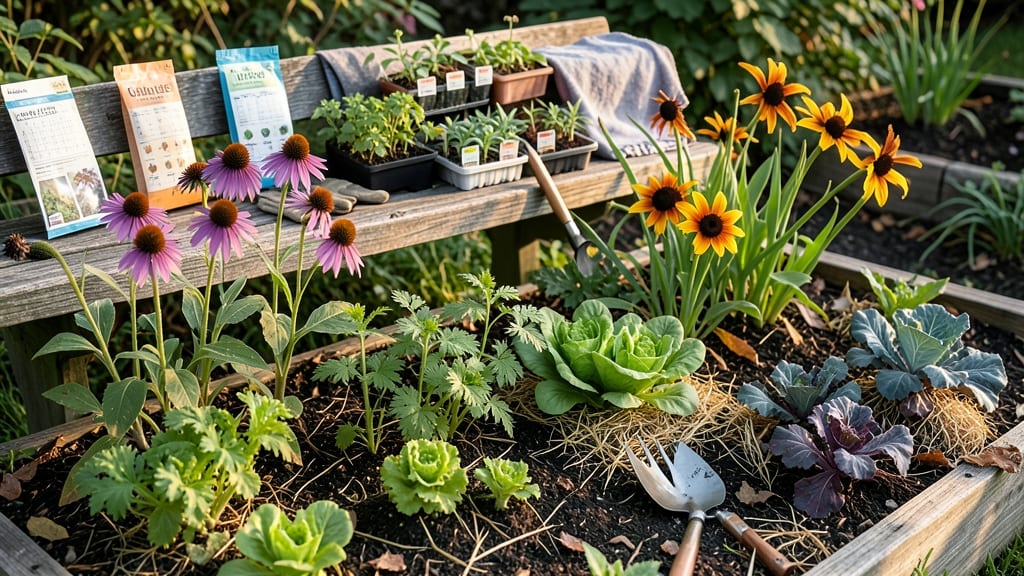
Planting a garden in Minnesota requires timing it just right—after the last frost but before summer’s heat sets in, or you risk losing your hard work to unpredictable weather.
Minnesota’s frost dates can shift by weeks from one year to the next, leaving many gardeners guessing whether to rush seedlings into the ground or wait a little longer.
But with the right strategy, you can turn those 120-160 frost-free days into a thriving harvest, whether you’re growing tomatoes, kale, or sunflowers.
In this guide, I’ll break down the best planting windows for your USDA zone—from cool-season crops like peas in early spring to fall favorites like carrots in July—and share proven tips to stretch your growing season.
You’ll learn how to read soil temperatures, adjust for late frosts, and even extend your harvest into October, so you’re never left wondering if you planted too early or too late.
Minnesota’s frost-free timeline: key dates by USDA hardiness zone
Understanding Minnesota’s frost-free timeline is critical for successful gardening. The state spans USDA zones 3-5, with dramatic differences between southern cities like Rochester and northern areas near the Canadian border.
These variations mean your last spring frost could arrive weeks earlier in the Twin Cities than in Duluth, while your first fall frost might strike sooner in the Iron Range than in Mankato.
For most Minnesota gardeners, the average last frost date falls between May 10 and June 1, depending on your zone. Meanwhile, the first fall frost typically arrives between September 15 and October 15.
These dates create a growing season window of roughly 120-160 frost-free days, which directly impacts what—and when—you can plant successfully.
Here’s how to use this timeline effectively: Cool-season crops like spinach and peas can often tolerate light frosts, so you can plant them 2-4 weeks before your last frost date. Warm-season crops like tomatoes and peppers, however, need to wait until after the last frost and when soil temperatures reach at least 50°F (10°C).
Always check local data—your microclimate might differ from the averages.
| USDA Zone | Last Spring Frost | First Fall Frost | Frost-Free Days | Key Regions |
|---|---|---|---|---|
| Zone 3b | May 25 - June 5 | September 15 - October 1 | 100-120 | International Falls, Grand Rapids |
| Zone 4a | May 10 - May 20 | September 25 - October 10 | 120-140 | Duluth, Brainerd, St. Cloud |
| Zone 4b | May 1 - May 15 | October 1 - October 15 | 130-150 | Minneapolis, Rochester, St. Paul |
| Zone 5a | April 25 - May 10 | October 10 - October 25 | 150-160 | Winona, Albert Lea, Faribault |
To find your exact frost dates, use the MN State Climatology Office’s historical frost data. Simply enter your ZIP code to see 30-year averages for your specific location.
I’ve used this tool for years—it’s saved me from planting too early in my Zone 4b backyard multiple times!
Even with these averages, microclimates play a huge role. South-facing slopes warm up faster, while low-lying areas hold cold air longer.
If you’re near a large body of water, like Lake Superior or the Mississippi River, you might experience 1-2 weeks longer frost-free seasons than inland areas at the same latitude.
For fall planting, start seeds indoors in late July for cool-season crops like kale or broccoli. These can be transplanted outdoors in early August, giving them time to mature before the first frost.
I’ve had great success with bush beans and radishes planted in late summer—they thrive in cooler temperatures and often produce a second harvest before winter sets in.
Don’t forget to monitor local forecasts in spring. The National Weather Service’s Minnesota office provides outlooks for frost advisories. When they predict a late frost warning, cover tender plants with frost cloth or row covers.
This simple step can protect your tomato seedlings or pepper plants from damage when
Best planting times for Minnesota’s top vegetables and flowers
Timing is everything in Minnesota’s short growing season. Cool-season crops like spinach and peas thrive when planted early, while tomatoes and peppers need warm soil to germinate. Flowers like marigolds and sunflowers add color but also follow specific windows to avoid frost damage.
Mastering these schedules ensures a bountiful harvest despite the unpredictable frost dates.
For continuous harvests, succession planting is key. By staggering plantings every 2-3 weeks, you extend your harvest window. For example, plant bush beans in early June and again in mid-July for a fall crop.
This method works for lettuce, radishes, and kale too. Below, I’ve broken down the best times to plant Minnesota’s most popular vegetables and flowers, including cold-hardy options for early starts.
- 1
- 2
- 3
- 4
- 5
Plant in: Early April to Mid-May (cover with row fabric for frost protection). Late August to Early September for fall harvests.
Plant after: Last frost (Mid-May). Start seeds indoors in March for early transplants. Use black plastic mulch to warm soil faster.
Direct sow: After frost (Mid-May). Sunflowers can handle light frost; marigolds tolerate heat and deter pests.
Example: Plant radishes every 2 weeks from April to July. For lettuce, sow every 3 weeks until August.
Try: ‘Winterbor’ kale (survives -20°F), ‘Sugar Snap’ peas (tolerates light frost), and ‘Early Girl’ tomatoes (fast-maturing).
Don’t overlook soil temperature—it’s just as critical as air temperature. Use a soil thermometer to confirm 50°F+ for warm-season crops like peppers and eggplants. If your soil is still cold in May, opt for cool-season alternatives like broccoli or cabbage, which thrive in 45-65°F soil.
For flowers, marigolds are my go-to for pest control and color. Sow them directly after the last frost, and they’ll bloom all summer long. Sunflowers, on the other hand, can handle cooler temps and even light frost, making them a great late-summer addition.
Plant them in early June for a fall display that attracts pollinators.
Pro tip: Use row covers or cold frames to extend your planting window. These tools can push your last frost date back by 2-4 weeks, giving you extra time to grow leafy greens or root vegetables like carrots.
Just remember to remove covers once temperatures rise above 75°F to avoid overheating.
By following this planting calendar and adjusting for your specific USDA zone, you’ll avoid the most common Minnesota gardening mistakes. Whether you’re a beginner or a seasoned pro, these timelines will help you maximize your harvest and enjoy fresh produce from your garden all season long. Happy planting! 🌿