
Planting
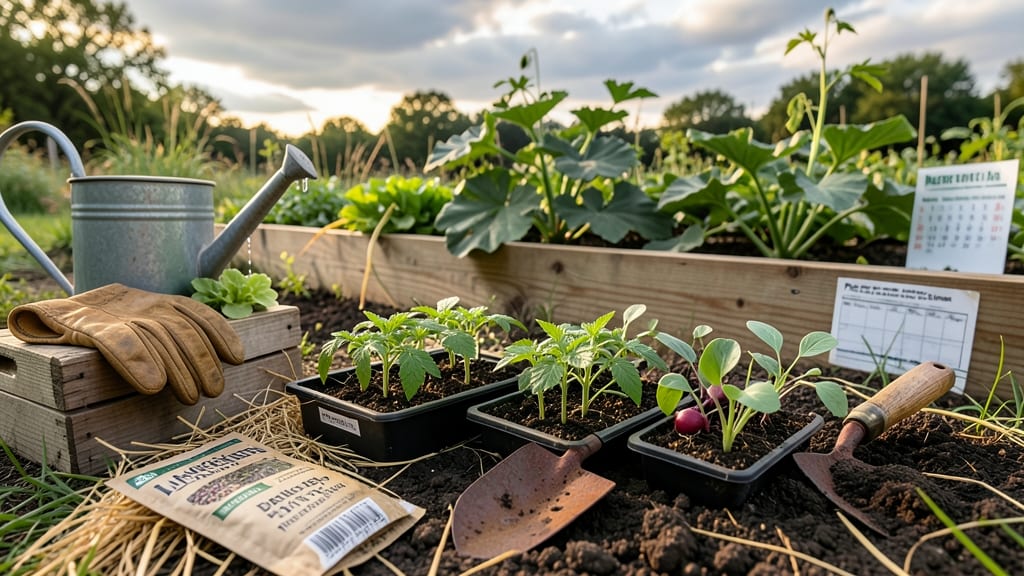
Planting a garden in Michigan means timing your seeds and transplants with precision to avoid frost damage or wasted effort—especially when your last frost date can swing by weeks depending on the year.
Michigan’s unpredictable spring weather can make timing your garden planting a high-stakes guessing game—get it wrong, and your seedlings could freeze or bolt too quickly. But with the right frost-free timeline by zone, you can maximize your harvest and avoid common gardening mistakes.
From cool-season crops like spinach and peas that thrive in early spring to warm-season favorites like tomatoes and peppers, knowing when to plant in zones 5b-6a is the key to a bountiful garden.
Below, I break down the best planting windows by plant type, soil prep tips, and how to adjust for Michigan’s variable climate.
Whether you’re a beginner or a seasoned gardener, these actionable steps will help you plant with confidence—so you can enjoy fresh produce from June through October without the stress of last-minute adjustments.
Michigan’s frost-free zones and their ideal planting windows
Michigan spans USDA Hardiness Zones 4-6, creating distinct planting windows across its Upper Peninsula (UP) and Lower Peninsula (LP). The last spring frost typically arrives between April 15 and May 15, while the first fall frost hits between September 15 and October 15.
These dates dictate whether you’re planting cool-season crops like spinach or warm-season crops like tomatoes.
In the Lower Peninsula (Zones 5b-6a), gardeners enjoy slightly earlier last frosts—often by April 25—while the Upper Peninsula (Zones 4b-5a) can linger until May 10 or later. This delay means UP gardeners must wait longer to plant heat-loving vegetables or use season-extending tools like row covers.
Understanding your frost-free growing season (typically 140-160 days in Michigan) helps you choose plants that mature before the first frost. For example, bush beans (60-day harvest) thrive in shorter seasons, while tomatoes (80+ days) need a longer window.
Key takeaway: Start seeds indoors 4-6 weeks before your last frost date for warm-season crops. Cool-season crops like kale or peas can often be sown directly 2-3 weeks before the last frost.
For cool-season crops like lettuce or radishes, plant as soon as the soil is workable—often in March or early April in the Lower Peninsula. These crops tolerate light frosts (28°F) and can even thrive with a light frost after germination.
Warm-season crops such as peppers, cucumbers, and squash require soil temperatures above 60°F. In the UP, this may not happen until late May or early June, so start these indoors 6-8 weeks before your last frost date. Use a soil thermometer to confirm readiness.
Fall planting is another opportunity—sow spinach, kale, or carrots in August or early September for a harvest before winter. These crops need 60-80 days to mature, so time it right to avoid early frosts.
Pro tip: Use Michigan State University’s Frost Date Map (available online) for your exact location. Urban areas may experience microclimates with later frosts due to heat islands, so adjust accordingly.
Remember, succession planting extends your harvest. For example, sow bush beans every 2 weeks from May to July to enjoy fresh pods all season. This works especially well in Michigan’s shorter growing windows.
Finally, protect tender seedlings with frost cloth or row covers if late frosts threaten. Even a 32°F night can damage young plants, so plan ahead with these tools.
Best planting calendar for Michigan gardens by vegetable type
Timing your plantings in Michigan means balancing last frost dates, soil temperatures, and crop-specific needs. Cool-season crops like lettuce and peas thrive in early spring, while tomatoes and peppers need warm soil to germinate.
Let’s break down the best planting windows for your favorite vegetables, including succession planting tips to keep your harvests coming all season.
For cool-season crops, start seeds indoors 6-8 weeks before the last frost (typically mid-April) or sow directly in early spring. Warm-season crops like tomatoes and peppers should wait until soil reaches 60°F+, usually late May or early June.
Succession planting—sowing new seeds every 2-3 weeks—ensures a steady supply of fresh produce like beans, lettuce, and radishes.
- 🌱 Early Spring (March-April): Plant peas, spinach, lettuce, onions, and potatoes as soon as soil is workable (around 40°F+). Use row covers to protect from late frosts.
- ☀️ Late Spring (May): Sow beans, cucumbers, and squash after last frost (mid-May). Start tomatoes and peppers indoors in early April for transplanting in May.
- 🌿 Summer (June-July): Plant succession crops like radishes, bush beans, and lettuce every 2-3 weeks. Transplant tomatoes and peppers after soil warms to 60°F+.
- 🍂 Fall (August-September): Sow cool-season crops like kale, carrots, and broccoli 8-10 weeks before first frost (mid-October). Use row covers to extend harvests.
Tomatoes and peppers are warm-season powerhouses but need patience. Start seeds indoors in early April and transplant after the last frost (mid-May). For continuous harvests, plant bush beans every 2 weeks from June to July. Lettuce and radishes bolt in heat, so focus on fall plantings for crisp greens.
Succession planting is a game-changer for leafy greens and root vegetables. Sow radishes every 2 weeks from May to August for quick harvests. Lettuce and spinach thrive in early spring and fall but wilt in summer heat. Use shade cloth to protect them during peak sun.
Don’t forget herbs like basil and cilantro. Basil loves heat and should be planted after last frost, while cilantro bolts quickly—sow it in early spring or fall. For perennial herbs like thyme and oregano, plant in spring or fall for best establishment.
Pro tip: Keep a planting journal to track what works in your microclimate. Adjust timelines based on your last frost date (check local averages) and soil temperature with a soil thermometer. Happy planting! 🌱