
Planting
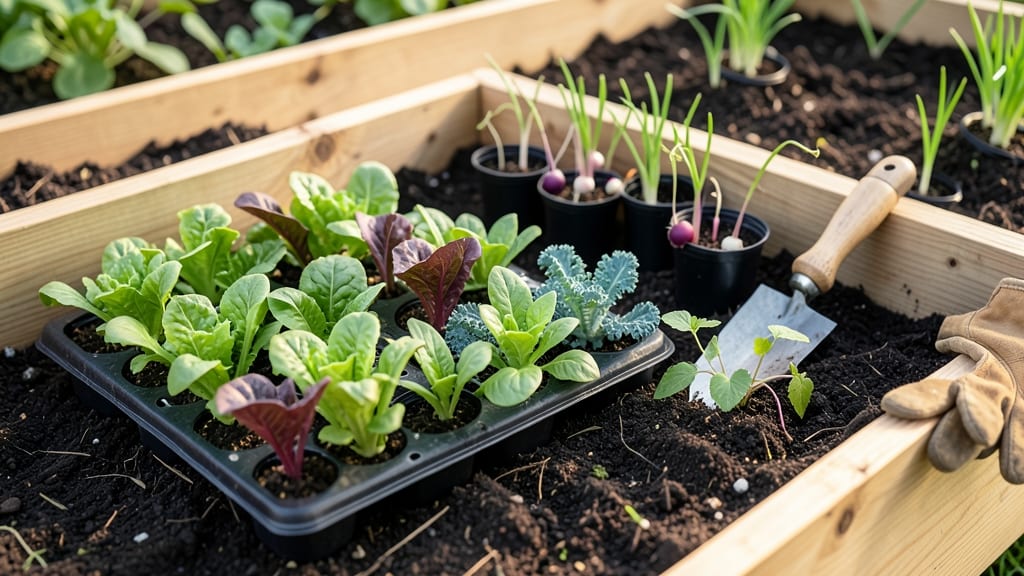
Planting a garden in Cleveland, Ohio, means timing your seeds and transplants to Cleveland’s unpredictable frost dates—where a late spring can leave your tomatoes shivering while a hot summer arrives faster than you expect.
If you’ve ever watched your seedlings wilt overnight or seen your peppers bolt before harvest, you know how Cleveland’s microclimates—from Lake Effect chill to downtown heat islands—can throw off even the best-laid plans.
This guide breaks down the exact frost-free windows for warm-season crops (like tomatoes and peppers) and cool-season greens, plus how to adjust for your neighborhood’s unique weather quirks.
You’ll learn when to start seeds indoors, how to use row covers to extend the season, and which varieties thrive in Cleveland’s USDA Zone 5b/6a—so you can finally stop guessing and start growing.
Cleveland’s frost-free dates by plant type: vegetables, flowers, and herbs timeline
Cleveland’s USDA Zone 5b/6a climate means your planting schedule must balance last frost dates (typically May 15) with first frost risks (late September). Warm-season crops like tomatoes and peppers need soil temperatures above 55°F, while cool-season lettuce and spinach thrive in cooler temps.
Microclimates—like urban heat islands or Lake Effect zones—can shift these windows by 2-3 weeks.
For vegetables, start warm-season plants indoors 6-8 weeks before your last frost. Cool-season crops can often go straight into the garden as early as April, while perennials like asparagus need 2-3 years to establish.
Below is your planting timeline tailored to Cleveland’s variability, with adjustments for early vs. late years.
Your last frost date isn’t set in stone—Cleveland’s Lake Effect can delay springs by 1-2 weeks near the shore, while urban heat islands (like downtown) may warm up 5-10°F faster. To account for this, I recommend checking the Cleveland NWS frost forecast 2 weeks before planting.
For warm-season crops, err on the side of delaying if your soil feels cold; a soil thermometer ($10 at garden centers) is worth the investment.
For cool-season crops, you can push the envelope with row covers or cold frames to start 2-3 weeks earlier in spring or extend harvests into October.
For example, spinach and kale can survive light frosts (28°F), so I often plant these in late August for a fall harvest. Herbs like cilantro bolt in heat, so I sow it in early spring and again in late summer for a cool-weather crop.
Perennials like
How Cleveland’s microclimates affect planting times: urban heat islands vs. Lake-Effect zones
Cleveland’s diverse microclimates can shift your planting schedule by 2–4 weeks, depending on whether you garden downtown, near Lake Erie, or in the rural outskirts.
The urban heat island effect makes downtown areas 5–10°F warmer than surrounding zones, while lake-effect winds delay spring planting near the shore by 10–14 days. Understanding these variations helps you avoid frost damage and optimize your growing season.
For example, tomatoes planted in downtown Cleveland’s warmer microclimate can go in the ground by April 25, while lakefront gardeners should wait until May 10 to avoid late frosts. Rural areas often fall in between, with a May 1 target date.
The Cleveland NWS tracks these patterns, and their historical frost data shows downtown areas experience their last frost 10 days earlier than lakefront neighborhoods.
| Microclimate Type | Last Frost Date (Avg.) | Warm-Season Planting Window | Cool-Season Planting Window | Key Adjustment Tip |
|---|---|---|---|---|
| Downtown Urban Heat Island | April 15–20 | April 25–May 5 | March 15–April 1 | Plant warm-season crops 2 weeks earlier |
| Lakefront (Lake Erie Effect) | May 5–10 | May 15–25 | April 1–15 | Wait for consistent 50°F soil temps |
| Rural Outskirts | April 25–May 1 | May 1–10 | March 20–April 5 | Follow USDA Zone 6a guidelines |
To adapt your planting schedule, check the Cleveland NWS frost probability maps for real-time updates. For instance, peppers and eggplants thrive in downtown’s warmer soil but may struggle near the lake. Use row covers or cold frames to extend the season in cooler zones by 3–4 weeks.
I’ve found that basil and cucumbers planted in downtown containers can start 2 weeks earlier than in-ground plantings near the lakefront.
For cool-season crops like kale or spinach, lakefront gardeners can plant as early as March 15, while downtown gardeners might wait until April 1 to avoid bolting. The key is monitoring soil temperatures—aim for 40°F for cool crops and 60°F for warm crops.
Use a soil thermometer to confirm readiness, especially in transitional zones like Ohio City or Edgewater, where microclimates shift dramatically.
Adjust your succession planting based on these zones too. Downtown gardeners can plant lettuce every 2 weeks from March to June, while lakefront gardeners should stagger plantings by 3 weeks to account for delayed growth.
Keep a gardening journal to track which microclimate works best for your favorite vegetables and flowers—over time, you’ll refine your schedule to match Cleveland’s quirks.
Don’t let microclimates overwhelm you—start with one zone, master its patterns, and expand. Even a small balcony garden in downtown Cleveland can outperform a lakefront plot if you time it right. Experiment with container gardening to test different microclimates without committing to large beds.