
Planting
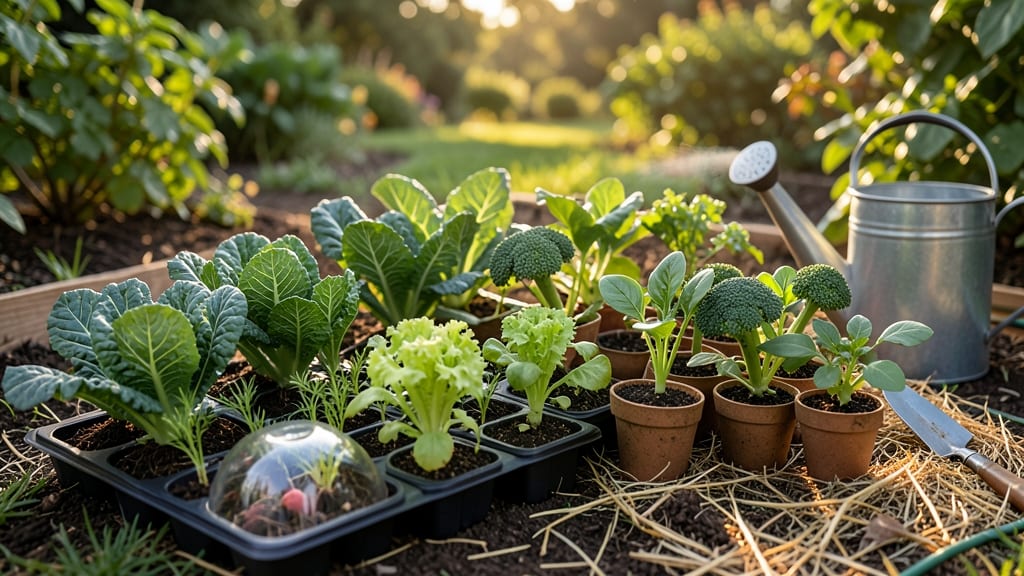
Planting a fall garden in Texas means timing it right between the last summer heatwave and the first frost — and missing that window by even a week can ruin your harvest.
Texas gardeners know the window between scorching summers and crisp winters is short—but planting at the perfect time can mean the difference between a bountiful harvest and wasted effort. Whether you're in the Panhandle or the Coastal Bend, those exact deadlines are what separate success from disappointment.
Here’s the truth: most gardeners wait too late, then scramble to get seeds in the ground after the heat has already stressed their plants. But with the right heat-tolerant varieties and regional planting charts, you can beat the clock and still enjoy fresh greens, root crops, and even late-season peppers.
In this guide, I’ll break down the precise planting dates for your Texas region, the best crops to grow when others fail, and the three mistakes that kill fall gardens before they even start. Let’s get growing!
Texas fall planting deadlines by region: exact dates for coastal, Central, and Panhandle zones
Timing is everything when planting a fall garden in Texas. The Lone Star State's diverse USDA zones (7b-9a) create wildly different deadlines—from the humid Coastal Bend to the dry Panhandle.
Plant too early, and your greens bolt in the heat; too late, and frost ruins your harvest. These exact last planting dates account for regional microclimates and heat tolerance thresholds.
Texas is divided into three key regions for fall planting: Coastal (7b-8b), Central (8a-9a), and Panhandle (7a-8a). Each has unique first frost dates and heat tolerance levels.
For example, the Coastal Bend can handle late plantings until mid-October, while the Panhandle must start by mid-August to avoid frost. Let’s break it down by region.
⚠️ CRITICAL NOTE: These deadlines assume average weather. Check your local AgriLife Extension for 5-year frost trends—some years, you’ll need to push deadlines earlier.
In the Coastal Bend, where humidity lingers, you can push deadlines later than most of Texas. Okra and sweet potatoes thrive in this region’s warmth, but even they need to be in the ground by mid-October to mature before frost.
Use shade cloth (30-50%) for late plantings to slow bolting in heat-sensitive greens like lettuce.
The Hill Country and Central Texas face a tougher balance—scorching afternoons paired with unpredictable October rain.
Plant heat-tolerant varieties like 'Black Beauty' sweet potatoes by mid-September to ensure a harvest before the first frost, which typically hits around November 15. Mulch with straw to keep roots cool and retain moisture in the caliche soil common here.
North Texas gardeners must act faster. The Dallas-Fort Worth metroplex has a shorter growing season due to earlier frosts. Start cool-season crops like kale and spinach by August 15—any later, and you’ll miss the window.
For peppers and eggplants, transplant seedlings by mid-July to give them time to mature before frost.
The Panhandle is the most challenging region, with dry heat and earlier frosts. Begin planting broccoli and cabbage by mid-August, and consider using row covers to extend the season.
The Lubbock area often sees frost by October 15, so prioritize fast-maturing varieties like 'Early Jersey' cabbage (50 days to harvest).
Pro tip: Adjust for elevation. Mountainous areas like the Davis Mountains
Best heat-tolerant fall vegetables for Texas: which crops thrive when others fail
When Texas heat lingers into September, most gardeners pack up their tools—but the smart ones know late-summer planting can yield a fall harvest before frost. The key? Choosing heat-tolerant varieties that thrive when temperatures hover around 90°F and still produce before winter sets in.
These crops won’t bolt or wilt like delicate lettuce; instead, they’ll reward you with bold flavors and heartier yields.
My top picks for Texas fall gardens include Malabar spinach, which handles 100°F+ heat better than traditional spinach, and 'Black Beauty' sweet potatoes, a vine that spreads aggressively but delivers sweet, starchy tubers even in late plantings.
Don’t overlook 'Jalapeño M' peppers, either—they mature quickly and tolerate heat stress while packing serious spice.
🌱 Texas Fall Planting Timeline
Soil temp: 70°F+ | Sun: 6+ hours | Mulch: Essential for moisture
For Malabar spinach, start seeds 6-8 weeks before your first frost date—typically late August in North Texas and early September in South Texas. This tropical relative of true spinach thrives in poor soil and drought conditions, making it perfect for Texas’ clay-heavy soils.
Amend beds with composted manure to boost nitrogen, but avoid over-fertilizing—it causes leafy growth at the expense of harvestable shoots.
Sweet potatoes like 'Black Beauty' need warm soil to germinate, so wait until mid-August in most regions. Plant slips (young plants) in raised beds for better drainage, as Texas summers leave soil bone-dry.
Space vines 12-18 inches apart—they’ll spread like a living carpet—and harvest 100-120 days later when foliage yellows. Pro tip: Mulch heavily with straw to retain moisture during Texas’ scorching afternoons.
'Jalapeño M' peppers are my go-to for fall heat, as they mature in just 60-65 days from transplant. Start seeds indoors in early August or buy transplants from a nursery, then harden them off before setting out. These peppers tolerate heat but hate humidity, so space plants 18 inches apart for airflow. Fertilize lightly with 5-10-10 at planting, then side-dress with compost when flowers appear.
Don’t forget collard greens, another heat-tolerant powerhouse. Varieties like 'Georgia Southern' handle 95°F+ temps and improve with frost, sweetening as winter approaches. Direct-sow seeds 6-8 weeks before frost, thinning to 12 inches apart.
These greens thrive in partial shade, making them ideal for East Texas’ humid afternoons.
To maximize your fall harvest, rotate crops and succession plant every 2-3 weeks until mid-October. Use drip irrigation to water deeply in the morning, and cover young plants with shade cloth during 100°F+ heat waves.
With these heat-resistant varieties, your Texas fall garden will outperform neighbors’ frost-sensitive crops—guaranteed.