
Advice
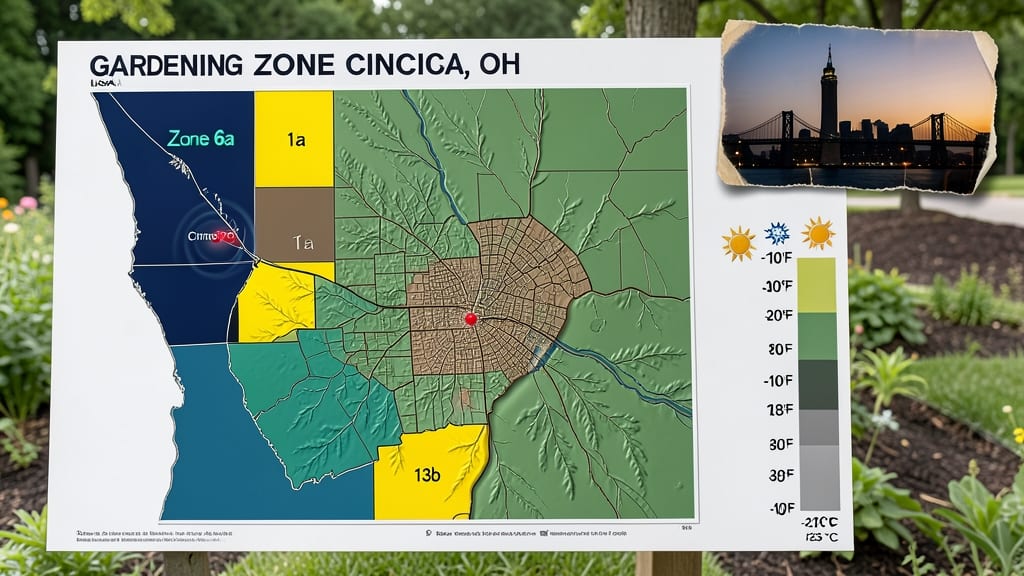
Cincinnati, Ohio, is in USDA Plant Hardiness Zones 6a and 6b, which shape everything from when you plant to what thrives in your garden.
If you're planning a garden in Cincinnati, knowing your exact zone—whether it's 6a or 6b—can mean the difference between thriving plants and wasted seeds. But how do you determine which one applies to your backyard?
This distinction matters because Zone 6a (average minimum temperature of -10°F to -5°F) and Zone 6b (average minimum of -5°F to 0°F) have slightly different frost dates and plant recommendations.
For example, Zone 6a might need extra protection for tender perennials, while Zone 6b could handle a few more heat-loving varieties.
Below, I’ll break down how to confirm your exact zone, the best plants for Cincinnati’s climate, and how to adjust planting times based on your specific microclimate—whether you’re in a cozy urban pocket or a cooler suburban area.
How to confirm Cincinnati’s USDA planting zones 6a vs 6b
Cincinnati sits squarely in the USDA Plant Hardiness Zones 6a and 6b, where the average annual minimum temperature ranges from -10°F to 0°F (-23°C to -18°C). But determining whether your specific yard leans toward 6a (colder) or 6b (warmer) requires more than just checking a map.
Microclimates, elevation, and urban heat islands can shift your zone by up to half a degree, impacting which plants thrive in your garden.
Start by visiting the official USDA Plant Hardiness Zone Map (available at planthardiness.ars.usda.gov), where you can enter your exact address to see the default zone assignment for Cincinnati.
Most of the city falls into Zone 6a, but pockets near the Ohio River or in elevated areas may qualify as 6b. This tool uses 30-year climate data, so it’s the most reliable baseline.
Next, cross-reference your zone with local climate data from the NOAA Climate Normals for Cincinnati (available at NOAA’s website). Look for the average annual minimum temperature—if it’s closer to -10°F, you’re likely in Zone 6a.
If it hovers around 0°F, you’re in 6b. For example, Cincinnati Airport records average -4°F, placing it firmly in 6a, while downtown areas may creep into 6b due to the urban heat island effect.
Don’t overlook microclimates—your backyard might differ from the city average. Check for:
- South-facing walls (warmer by 5–10°F
Best plants for Cincinnati’s USDA Zone 6a-6b (Cold-hardy & heat-tolerant varieties)
Cincinnati’s USDA Zone 6a-6b climate offers a perfect balance for gardeners—cool winters and warm summers that support a wide variety of cold-hardy perennials and heat-tolerant annuals. Whether you're in the slightly colder Zone 6a or the warmer Zone 6b, selecting the right plants ensures your garden thrives year-round.
I’ve curated a list of top performers that handle Cincinnati’s late frosts and summer heat waves with ease.
For Zone 6a, prioritize plants with early spring resilience like hardy perennials and cool-season vegetables. Meanwhile, Zone 6b gardeners can lean into heat-loving annuals and drought-tolerant shrubs that flourish in Cincinnati’s humid summers. Below, I’ve organized my favorites by season to simplify your planting strategy.
🌱 Spring Stars (March–May)
- 🌷 Tulips & Daffodils – Cold-hardy bulbs that bloom early, thriving in Zone 6a’s chilly springs. Plant in fall for spring color.
- 🥬 Lettuce & Spinach – Cool-season greens perfect for early spring or fall harvests. Use row covers for frost protection.
- 🌿 Peonies – Low-maintenance perennials with long-lasting blooms (May–June). Ideal for Zone 6a-6b borders.
☀️ Summer Showstoppers (June–August)
- 🌻 Black-Eyed Susans – Drought-tolerant perennials that thrive in Zone 6b’s heat. Attracts pollinators all summer.
- 🌿 Basil & Tomatoes – Heat-loving annuals for Zone 6b. Stake tomatoes and mulch to retain moisture.
- 🌳 Crape Myrtles – Drought-resistant trees with vibrant summer blooms. Perfect for urban heat islands.
🍂 Fall Favorites (September–November)
- 🌺 Mums (Chrysanthemums) – Cold-hardy annuals that bloom in fall. Choose Zone 6a-6b varieties like ‘Autumn Joy.’
- 🍠 Sweet Potatoes – Heat-tolerant veggies that ripen in Zone 6b’s long summers. Harvest before first frost.
- 🌿 Russian Sage – Drought-proof perennial with late-season color. Thrives in full sun.
❄️ Winter Survivors (December–February)
- 🌲 Evergreen Trees (Pine, Spruce) – Year-round structure and wildlife habitat. Choose Zone 6a-6b natives like Eastern White Pine.
- 🌿 Hellebores – Shade-loving perennials that bloom in winter. Ideal for Zone 6a’s cold snaps.
- 🌱 Garlic – Cold-hardy vegetable planted in fall for spring harvest. Thrives in Zone 6a-6b.
Pro tip: Mulch heavily in Zone 6a to protect roots during late spring frosts, while Zone 6b gardeners should focus on drip irrigation to combat summer drought. My go-to mulch? Shredded hardwood—it insulates roots while retaining moisture.
Don’t overlook native plants like butterfly weed or coneflowers, which require less water and support local ecosystems. These low-maintenance perennials are perfect for Cincinnati’s variable climate and urban gardens alike.
For vegetable gardens, rotate crops yearly to prevent soil depletion. I swear by a 3-year rotation—solomon’s seal in Year 1, tomatoes in Year 2, and beans in Year 3—to keep my Zone 6b soil healthy and productive.
Ready to transform your Cincinnati garden? Start with these seasonal staples, and you’ll enjoy bountiful blooms and homegrown harvests all year. Happy planting! 🌿