
Picking
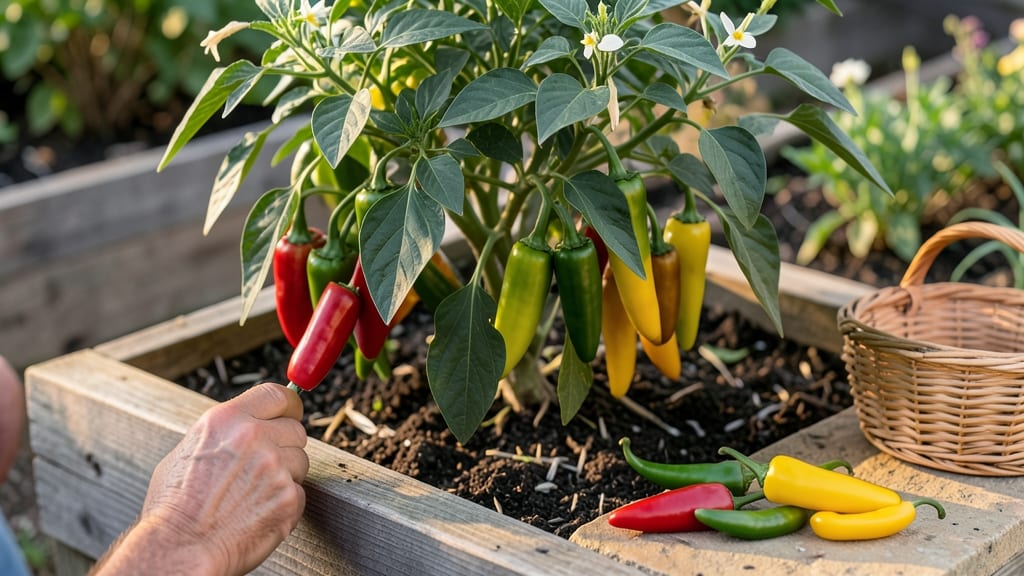
Picking garden salsa peppers at the right time means the difference between fiery, vibrant peppers and bland, mealy ones 🌶️ — and it all comes down to color, size, and firmness.
Timing is everything when harvesting garden salsa peppers—pick too early, and you’ll sacrifice heat and flavor; wait too long, and they might turn mealy or bitter. Mastering the color-coded ripeness stages ensures fiery, vibrant peppers perfect for salsa every time.
Most varieties reach peak flavor between 60 and 90 days after planting, but the real secret is watching for deep, consistent colors like red, yellow, or orange. A gentle squeeze should tell you whether they’re ready to harvest or still firming up.
Below, I’ll break down the exact visual cues to watch for, how to test ripeness beyond just color, and why cooler climates need to adjust their harvest timeline. No more guesswork — just perfect salsa peppers every time.
Color-coded ripeness stages for salsa peppers: when to harvest for maximum flavor
Salsa peppers transform from mild green newcomers to fiery, flavor-packed stars as they ripen. Understanding their color-coded stages helps you harvest at peak heat and sweetness.
Green peppers are the least flavorful, while red, yellow, and orange varieties pack maximum punch—each with unique heat levels and flavor profiles perfect for different salsa recipes.
Most gardeners focus on color changes, but ripeness also depends on size, firmness, and even the time of day you harvest. For example, peppers harvested in the morning often have more concentrated flavors. Let’s break down each stage so you can pick your salsa peppers at their absolute best.
🌱 Pro Tip: Some varieties (like jalapeños or serranos) change color rapidly—watch for consistent hues across the pepper, not just patches.
| Stage | Color | Heat Level | Flavor Profile | Harvest Window | Best For |
|---|---|---|---|---|---|
| Green | Bright green | Mild (0-1,000 SHU) | Grassy, slightly bitter | 60-75 days after transplant | Quick pickles, stir-fries |
| Yellow | Vibrant yellow | Moderate (1,000-5,000 SHU) | Sweet, fruity, mild heat | 75-85 days after transplant | Fresh salsa, roasted dishes |
| Orange | Deep orange | Medium (3,000-8,000 SHU) | Balanced sweet-spicy | 80-90 days after transplant | Smoky salsas, grilling |
| Red | Bright red | High (5,000-10,000+ SHU) | Sweet, complex, intense heat | 85-100 days after transplant | Classic salsa, drying |
Green peppers are the least flavorful stage, often used in quick-pickled salsas or stir-fries where you want mild heat. They’re ready to pick once they reach 2-4 inches in length and feel firm to the touch. If pressed gently, they should spring back rather than dent.
As peppers transition to yellow or orange, their sugar content spikes, creating a perfect balance of sweetness and heat. These stages are ideal for roasted salsas or dishes where you want a fruity depth.
Look for peppers with even coloring and a slight gloss—uneven hues mean they’re not fully ripe yet.
Red peppers are the peak of flavor, packing the most sweetness and heat. They’re perfect for classic salsa recipes or drying into chipotles. Wait until the entire pepper is deep red (not just patches) and the skin feels slightly waxy.
Overripe red peppers can become mealy or shriveled, so act fast once they reach this stage.
Some varieties, like jalapeños, may turn red but retain their fiery heat. Others, such as poblano peppers, turn black when fully ripe—don’t confuse this with rot! Always check for firmness and gloss before harvesting, regardless of color.
🌿 Regional Tip: In warmer climates (USDA Zones 8-10), peppers ripen faster—monitor them daily. In cooler zones (Zones 6-7), they may take longer to color up; use row covers to extend the season.
Harvesting at the right stage ensures your salsa has the perfect heat-to-sweetness ratio. For example, green jalapeños (3,500-8,000 SHU) are great for fresh salsa verde, while red jalapeños (up to 10,000 SHU) add a bold kick to traditional salsa roja.
Use a clean, sharp pair of pruners or scissors to snip peppers at the stem. Avoid twisting or pulling, which can damage the plant. Store harvested peppers in a paper bag in the fridge for up to a week—they’ll continue ripening slightly, intensifying their flavor over time.
If you miss the perfect window, don’t worry! Underripe peppers can still be used in cooked dishes (like soups or stews), while overripe peppers work well for fermented salsas or sauces where texture isn’t critical.
How to test pepper ripeness beyond color: the touch-and-taste method
Color isn't always the best indicator of pepper ripeness. Some salsa peppers might look ripe but feel soft or lack heat. To ensure you're harvesting at peak flavor and spice, I rely on three simple touch-and-taste tests that go beyond the color chart.
These methods help me confirm when my jalapeños and serranos are ready for salsa-making.
First, let's talk about the firmness test. A ripe pepper should feel firm to the touch but not rock-hard. Gently press your thumb against the pepper's side—if it leaves a slight indentation, it's not ready.
If it feels like a tennis ball with no give, it's overripe. This test helps me avoid mealy peppers that lose their vibrant flavor.
Next, I use the stem separation test. Hold the pepper by its stem and gently twist. A ripe pepper will separate cleanly with just a slight tug, while an unripe one will resist.
This tells me the pepper has reached its ideal sugar and capsaicin development. I've learned to harvest in the morning hours when peppers are coolest for the most accurate results.
Fingernail Test: Scratch the pepper skin with your fingernail—ripe peppers will leave a faint white mark. This indicates the skin's waxy coating has developed fully, which correlates with peak flavor. Use this on 3-4 peppers per plant for consistent results.
The final test is the taste sampling method. Yes, you read that right—sometimes you just need to bite in! A ripe pepper will have a balanced mix of heat and sweetness.
If it tastes bland or overly bitter, it's not ready. I usually sample from the plant's outermost peppers first, as they tend to ripen slightly earlier than those in the center.
For heat development, pay attention to the pepper's size relative to its variety. A fully ripe jalapeño should be 2-3 inches long, while serranos might reach 3-5 inches. The larger the pepper grows to its variety's standard, the more developed its heat compounds will be.
I keep a small notebook to track my plants' growth patterns each season.
Remember that climate affects ripening. In cooler zones, peppers may take longer to develop heat, while warmer climates can accelerate the process.
I adjust my harvesting schedule based on local weather patterns, aiming to pick peppers when they're 70-80% of their mature size for the best balance of heat and flavor.
By combining these touch-and-taste methods with color observation, I've perfected my pepper harvesting timing. The key is consistency—check your peppers every 2-3 days during peak production months to catch them at their prime. Your salsa will thank you with bold, fiery flavors every time! 🌱