
Picking
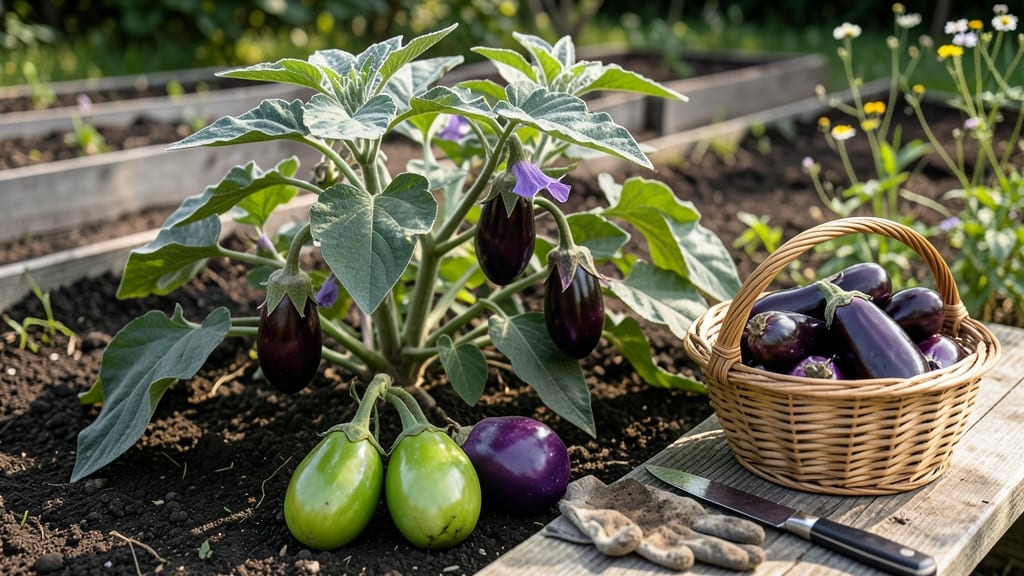
Picking eggplant from your garden at the right moment transforms bitter, seedy fruit into tender, flavorful perfection—all it takes is knowing the subtle color shifts and firmness cues.
Imagine slicing into an eggplant that’s still pale green or rock-hard, only to find it bland and underdeveloped. Or worse, waiting too long and ending up with a spongy mess that’s past its prime.
The difference between these outcomes comes down to timing—and the clues are right there on the plant.
In USDA Zone 6a, where spring planting kicks off in April and harvests peak in July through September, the key is watching for that deep, glossy purple (or your variety’s mature hue) and a skin that gives just slightly when pressed.
But there’s more to it than color—like the stem snap test and the ideal daily window for harvesting.
Below, I’ll walk you through the exact visual and texture signals to look for, regional adjustments for your growing season, and how to avoid the two biggest mistakes that ruin your eggplant’s flavor—so you can enjoy homegrown fruit that rivals the store-bought (or better).
How to tell when eggplant is ripe: 3 key visual & texture signs
Eggplant ripeness isn’t just about size—it’s a mix of color depth, skin firmness, and even stem behavior. Many gardeners miss the window because they focus only on one cue, like color alone.
I’ve learned the hard way that ignoring texture tests leads to bitter, seedy fruit. The good news? Mastering these three key signs guarantees you’ll harvest at peak flavor every time.
Start with color consistency. Immature eggplant often shows patches of green or pale hues, especially near the stem. A ripe fruit will have a uniform deep color—whether that’s classic purple, white, or striped—with no lingering green.
Even black eggplant varieties should have a glossy, jet-black finish, not a dull or mottled look. This shift happens about 75 days after transplanting for most varieties, but heat waves can speed it up.
Next, perform the firmness test—this is where most gardeners go wrong. A ripe eggplant should feel firm but not rock-hard. Press your thumb gently into the skin: it should yield slightly, like pressing a ripe avocado, but not dent or bruise.
Overripe fruit becomes spongy or mushy, while underripe fruit feels wooden and unyielding. I test this every 2–3 days during peak harvest season to avoid missing the sweet spot.
Don’t overlook the stem test, a pro trick I picked up from Italian gardeners. Grasp the fruit near the stem and bend it gently. If it snaps cleanly (not fibers or tears), it’s ready.
A stem that resists or pulls away means the fruit needs more time. This test works especially well for long, slender varieties like 'Ichiban' or 'Tyrian,' where size alone isn’t enough.
Size matters, but it’s the last cue to check. Most eggplant varieties reach harvest size between 4–8 inches, depending on the type. Round varieties like 'Black Beauty' should be about 4–6 inches in diameter, while elongated types like 'Rosa Bianca' can stretch to 8 inches or more.
Always cross-reference with your plant’s variety tag, as some dwarf types stay small even when ripe.
Watch for overripe warning signs: seeds turning hard, skin developing wrinkles, or the fruit feeling heavy for its size. These indicate the flesh is fibrous and bitter. I’ve salvaged overripe eggplant by roasting it whole, but the texture is far inferior to freshly picked fruit.
When in doubt, harvest slightly early—eggplant continues to ripen off the vine for 1–2 days at room temperature.
Timing your harvest also depends on regional climate. In hot, dry areas like USDA Zone 9–10, eggplant ripens faster and may need picking every 2–3 days. Cooler zones like Zone 6–7 can stretch the season, so I prioritize color consistency over size.
Always check the local frost date—eggplant won’t survive frost, so plan to harvest before October 15 in most regions.
Pro tip: Harvest in the morning when temperatures are cool. This preserves flavor and firmness longer. Use a sharp knife or pruning shears to avoid damaging the plant, and leave 1–2 inches of stem attached to extend shelf life.
Store harvested eggplant in a cool, dark place (not the fridge) for up to 5 days—any longer and it risks spoilage.
Remember, patience pays off. Rushing to pick eggplant too early means bitter, seedy centers, while waiting too long turns the flesh woody and tough.
By combining these three ripeness tests, you’ll consistently harvest eggplant at its peak—sweet, tender, and ready for your favorite recipes. Happy harvesting! 🌱
Best practices for picking eggplant without damaging the plant
Once your eggplant reaches peak ripeness, the next challenge is harvesting it without stressing the plant. Using the wrong method can leave wounds that attract pests or diseases, while improper timing can affect flavor and future fruit production.
I’ll walk you through the best techniques to ensure a clean harvest that keeps your plants thriving for more delicious yields.
Start by choosing the right time of day for picking. Early morning is ideal because the fruit is cool and firm, making it easier to handle. Avoid harvesting in the heat of the day, as the skin can tear more easily when warm.
This simple habit reduces damage and preserves the fruit’s quality from the moment it leaves the vine.
Now for the harvesting method: always use clean, sharp pruning shears or a knife to cut the stem about 1 inch above the fruit. Twisting or pulling can damage the plant’s vascular system, leading to slower recovery and potential rot.
For larger varieties, grip the fruit firmly with one hand while cutting with the other to avoid dropping it.
After harvesting, handle your eggplant with care. Place it in a well-ventilated basket or container to prevent bruising, and avoid stacking fruit to reduce pressure points. Store it in a cool, dark place (around 50-55°F) for up to two weeks, or refrigerate for longer storage.
Proper post-harvest care extends shelf life and keeps the fruit tasting fresh.
⚠️ callout warning ⚠️
- Harvesting too late: Overripe eggplant turns spongy and bitter, ruining flavor.
- Using dull tools: Jagged cuts invite disease; always sharpen blades before use.
- Leaving stems attached: They accelerate spoilage by concentrating moisture.
These errors not only waste your crop but can also stress the plant, reducing future yields. Act fast once the fruit meets ripeness cues!
One common mistake I see is harvesting eggplant when the skin is still slightly soft or the stem snaps with resistance. This usually means the fruit isn’t fully ripe yet.
Wait until the skin feels firm but slightly yielding when pressed gently—like a ripe avocado. Overripe eggplant will have a dull, wrinkled skin and a hollow sound when tapped.
Finally, don’t forget to inspect your plant after harvesting. Remove any damaged or diseased leaves immediately to prevent spread. With the right techniques, you’ll enjoy a bountiful harvest season after season, and your eggplant will always taste like a garden-fresh treasure.