
Picking
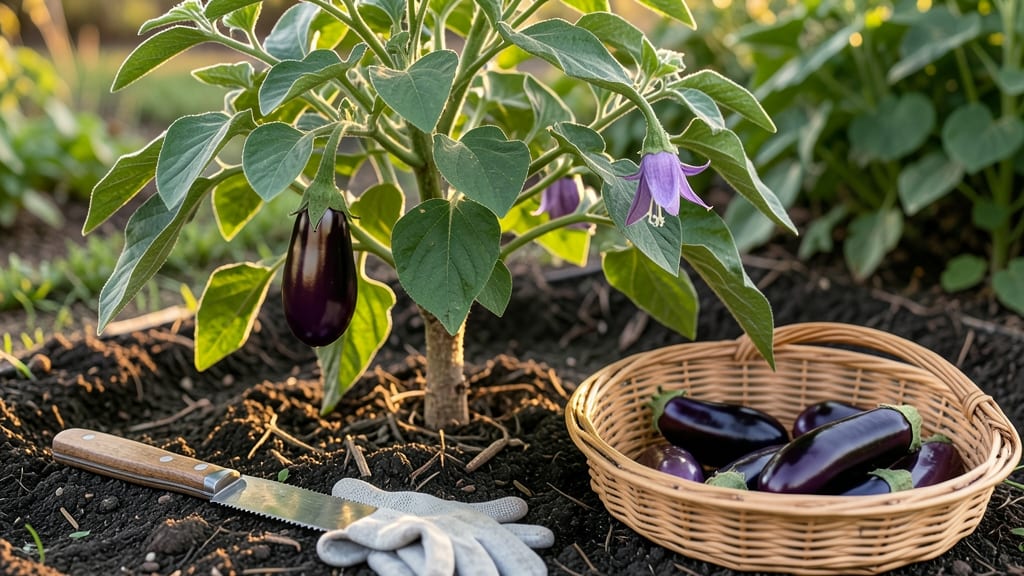
Knowing when to pick eggplant in the garden means the difference between a creamy, tender fruit and one that’s bitter or seedy—so timing your harvest by color and texture is the key.
Most gardeners miss the subtle shift from deep purple to creamy white that signals peak ripeness, and that’s how you end up with fruit that’s past its prime. I’ve learned the hard way that waiting too long turns a perfect 🍆 into a mealy disappointment.
In USDA Zone 6a, where summer days stretch into September, eggplant ripens fastest in July and August when temperatures stay above 70°F. But the real clue isn’t just the calendar—it’s the glossy skin, firmness, and that telltale color change from vibrant purple to a pale, almost white hue.
Below, I’ll walk you through how to spot the perfect moment to harvest, regional tweaks for your climate, and storage tips to keep your eggplant fresh for weeks after picking.
How to identify eggplant ripeness through color and texture changes
Timing your eggplant harvest perfectly transforms your garden bounty from bitter disappointment to tender, flavorful perfection. The key lies in watching for two critical cues: the color shift from deep purple to creamy white at the stem end, and the texture transformation from firm to slightly yielding.
I've learned this lesson the hard way—skipping these signs once led to a spongy, seedy mess that was nearly inedible.
Most gardeners focus only on size, but color and texture reveal the true ripeness window. Purple varieties like Black Beauty develop a matte finish when overripe, while white varieties like Casaba turn from glossy to dull.
The glossy skin you see on ripe eggplants is nature's way of telling you it's time to harvest—don't ignore this visual cue!
For purple varieties, the color transition is your best friend. Start checking when your plants hit 60-75 days after transplanting. Look for the stem end turning creamy white—this is your green light to harvest.
I always check this first thing in the morning when the dew is still on the leaves, as the colors appear more vibrant then.
The texture test is equally important. A ripe eggplant should feel firm but slightly yielding when gently squeezed. If it feels rock hard, it's underripe; if it gives too easily, it's overripe.
I use my thumb and forefinger to apply light pressure—think of it like testing a ripe avocado. This method works for all varieties, from long Japanese types to round Italian varieties.
Seasonal variations play a big role in ripening. In hotter climates (USDA zones 9-11), eggplants ripen faster and may need harvesting every 3-4 days. In cooler zones (USDA 6a-7b), the process slows down, giving you 5-7 days between harvests.
Last summer, my Fairy Tale eggplants in zone 7a ripened in just 5 days during a heatwave—something I wasn't expecting!
Don't rely solely on color—size matters too. Most varieties reach harvest size between 6-12 inches long, depending on the type. Long Japanese varieties like Ichiban can grow up to 18 inches, while round types like Rosa Bianca stay around 4-6 inches.
I keep a small ruler handy when harvesting to avoid guessing. When in doubt, it's better to harvest slightly early—eggplants continue ripening off the vine for 2-3 days.
One common mistake I see is waiting for eggplants to turn completely white. While this happens with some varieties, most purple eggplants should be harvested when they're still 70-80% their final color.
The cream-colored stem end is your real indicator, not the overall hue. This was a lesson I learned after my first overripe batch turned mealy and lost all its flavor.
Pro tip: Harvest in the morning hours when temperatures are coolest. This helps preserve the glossy skin and prevents bruising. I always use a sharp knife or pruners to cut the stem, leaving about 1 inch of stem attached. This
Best eggplant harvesting practices to maximize yield and flavor
Harvesting eggplant at the right time ensures the best flavor and texture, but timing is everything. I’ve learned that even a day too late can turn your glossy purple fruit into a bitter, seedy disappointment.
The key is to pick when the fruit is fully mature but still firm—before the seeds inside start hardening. This balance keeps your eggplants tender and packed with flavor.
Most gardeners focus on color, but I’ve found that size and firmness are equally critical. A ripe eggplant should feel heavy for its size and have a smooth, glossy skin. If you press gently and the skin springs back, it’s ready.
But if it leaves an indentation, it’s past its prime. This simple test has saved me from wasting overripe fruit more times than I can count.
⚠️ callout-warning ⚠️
Eggplants continue ripening off the vine, but they lose flavor and texture quickly after reaching peak ripeness. Harvest when the fruit is 6-12 inches long (depending on variety) and the stem snaps cleanly when twisted. Waiting for a deeper color can mean tough, seedy fruit.
📌 Pro Tip: Use a sharp knife or pruners to avoid damaging the plant. Cut about 1 inch above the fruit to prevent rot from spreading.
When it comes to harvesting, I prefer hand-twisting over cutting for most varieties. Gently grasp the eggplant near the stem and twist firmly until it separates cleanly. This method reduces damage to the plant and minimizes the risk of disease entering through open wounds.
However, for larger or more delicate varieties, like Fairy Tale eggplants, I use clean pruners to avoid bruising the fruit.
Frequency matters too. I harvest my eggplants every 2-3 days during peak production to encourage more fruit to develop. Regular harvesting prevents overcrowding, which can lead to smaller, lower-quality fruits. If you’re growing in containers or raised beds, check plants daily—smaller spaces mean faster ripening and more frequent harvests.
After harvesting, store eggplants properly to extend their freshness. Keep them in a cool, dark place (like a pantry) for up to a week. For longer storage, wrap them in paper towels to absorb moisture and place them in the crisper drawer of your fridge.
I’ve found that storing them stem-side down prevents bruising and keeps them firm longer. Avoid washing until you’re ready to use them, as excess moisture speeds up spoilage.
One common mistake I see is harvesting eggplants when they’re still green or uneven in color. These fruits won’t ripen further once picked, so you’ll end up with bland, underdeveloped produce.
Another pitfall is leaving eggplants on the vine too long, which leads to overripe, seedy fruit that’s tough and bitter. Pay attention to the color transition—when the skin shifts from deep purple to a creamy white near the stem, it’s time to harvest.