
Picking
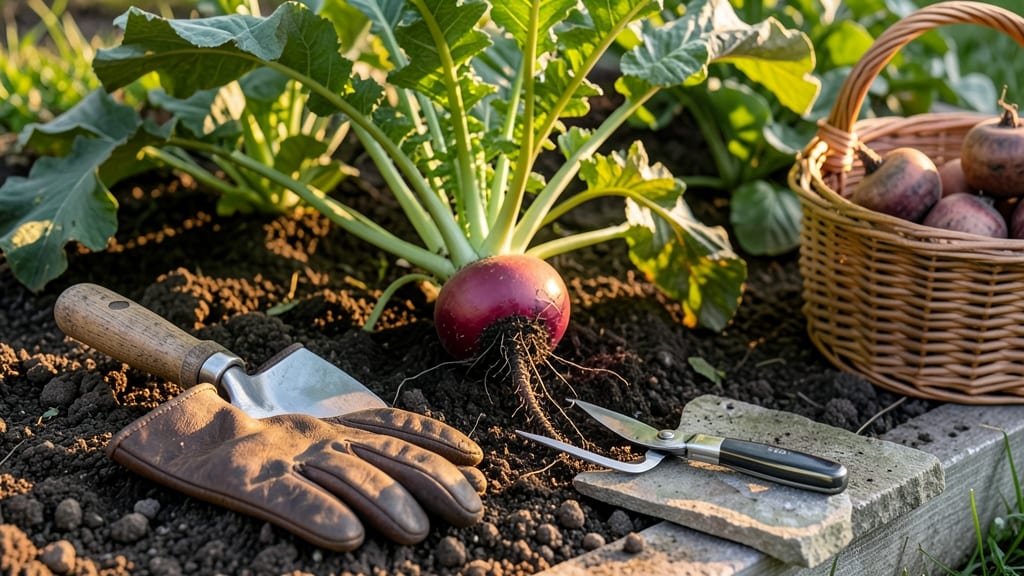
To pick beets from your garden at the perfect time means harvesting tender, flavorful roots before they turn tough and woody—here’s how to know when they’re ready.
Imagine pulling up a beet that’s the size of a golf ball, its skin deep red and its greens still vibrant—this is the sweet spot. But wait too long, and you’re left with a root that’s more like a baseball bat, hard and unappetizing.
The key is timing it right, before the soil hardens or the weather turns.
Most beets are ready to harvest about 50 to 70 days after planting, but size and color are the real clues. Aim for roots that are about 1 to 3 inches in diameter and have a rich, consistent hue.
If the tops are lush and the soil is still workable, it’s time to dig in.
Below, I’ll walk you through how to check for readiness, avoid common mistakes, and even store your harvest so it stays fresh for weeks. No more guesswork—just perfect, homegrown beets every time.
How to check beet root size for optimal harvest timing
Harvesting beets at the right size ensures sweet, tender roots packed with flavor. The key is checking the root diameter and leaf development before the soil becomes too compacted.
Most varieties reach perfect harvest size between 1 to 3 inches in diameter, but some heirloom types can grow larger without sacrificing quality.
For baby beets, aim for a diameter no bigger than your thumb—about 1 inch—when the tops reach 3 to 4 inches tall. These smaller roots are ideal for quick cooking and salads.
Larger varieties like 'Detroit Dark Red' or 'Golden' can wait until they're 2 to 3 inches across, offering a balance of tenderness and robust flavor.
Timing your harvest is critical because once roots exceed 3 inches, they can develop a woody texture and tough skin. Additionally, as the soil hardens—especially in late summer or fall—beets may struggle to grow properly, making early harvesting essential for the best results.
To check root size without damaging the plant, gently brush aside the soil with your fingers or a small hand trowel. Look for a deep, rich color—whether red, gold, or striped—that indicates full maturity.
If the roots are pale or still developing their characteristic hue, give them another 1 to 2 weeks before harvesting.
Another key indicator is the leaf health. Mature beets have 4 to 6 inches of leafy greens that are vibrant and slightly wrinkled. If the leaves are still small or smooth, the root likely needs more time in the ground.
However, if the leaves start yellowing or bolting (sending up a flower stalk), it’s a sign the beet is past its prime and should be harvested immediately.
Soil compaction is a silent enemy of beet quality. As the ground hardens—especially in late summer—roots can become misshapen or develop a tough outer layer. To avoid this, harvest beets before the soil dries out completely and always pull them gently by the greens to minimize root damage.
If you notice the soil feeling hard when you press it, it’s time to harvest sooner rather than later.
For continuous harvests, consider planting beets in successive batches every 2 weeks during the growing season. This ensures a steady supply of fresh, tender roots.
Always leave at least 3 inches of space between plants when thinning seedlings to allow roots to grow to their full potential without competing for nutrients.
Pro tip: If you’re unsure whether your beets are ready, try harvesting one or two from a section of the garden and taste-test them.
The flavor will tell you everything—sweet and crisp means perfect timing, while a bitter or earthy taste signals they need more time (or you waited too long!).
Finally, remember that seasonal timing matters. Spring-planted beets are best harvested in late spring to early summer, while fall-planted varieties should be pulled before the first frost—typically by late October in most climates.
By mastering these size and timing cues, you’ll enjoy beets at their peak flavor and texture every time.
Signs your beets are ready before soil hardens (and how to avoid overgrowth)
Timing your beet harvest is all about reading the plants before the first hard frost. I’ve learned the hard way that waiting too long turns sweet roots into tough, woody messes. The key is watching for leaf size, root development, and soil conditions—not just days since planting.
Beets mature at different rates depending on variety, but most are ready when their tops reach 4-6 inches tall and roots feel firm to the touch.
One trick I use is the thumb test: Gently brush away soil around the base. If the root is 1-3 inches wide and the color is deep (not pale or striped), it’s prime harvesting time.
Smaller roots are sweeter for baby beets, while larger varieties like ‘Detroit Dark Red’ can wait until they’re closer to 3 inches. The goal is to pull them before the soil hardens from cold, which makes roots tough and difficult to clean.
Beets left too long in the ground develop woody cores and split roots when soil freezes. Check for these red flags:
- ❌ Leaves yellowing (sign of stress or overmaturity)
- ❌ Soil too hard (roots struggle to absorb moisture)
- ❌ Roots >3 inches (risk of splitting in cold weather)
To avoid overgrowth, I harvest in stages. Start with a few plants when tops hit 3-4 inches, then check the rest weekly. This method keeps your harvest fresh and prevents the entire crop from bolting or splitting.
For fall plantings, aim to harvest before soil temperatures drop below 40°F. Cold soil slows growth and toughens roots, making them less palatable.
Another pro tip: Pull beets on a dry day to make soil easier to shake off. Use a fork to loosen roots if the soil is compacted, but avoid damaging the skin. The greens (leaves) are edible too—harvest them early for baby greens or let them mature for full-size roots.
Just remember: smaller roots = sweeter flavor, while larger ones are better for storage or cooking.
If you’re unsure whether your beets are ready, dig up one and check the root’s texture. It should feel firm but not hard—like a ripe potato. If it’s still soft or the skin is thin, give them another week.
But if the soil is hardening or frost is forecasted, harvest immediately, even if they’re not perfect size. You can always roast or pickle smaller beets!
Protecting your beets from overgrowth starts at planting. Space seeds 1 inch apart and thin to 3-4 inches when seedlings are 2 inches tall. This gives roots room to grow without competing for nutrients.
For late-season plantings, use row covers to extend the harvest window and keep soil temperatures stable. With the right timing, you’ll enjoy tender, sweet beets all season long.