
Picking
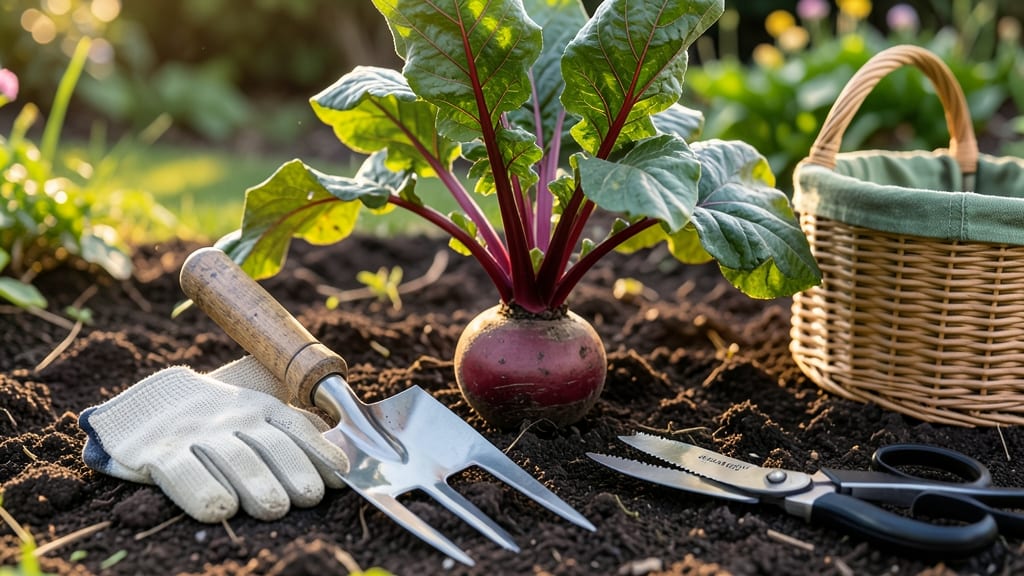
Harvesting beets from your garden at the right time ensures they're sweet, tender, and packed with flavor—never woody or bitter.
Picture this: you’ve nurtured your 🍠 beets all season, and now the moment of truth arrives. One wrong move, and you’re left with tough, fibrous roots. But here’s the good news—with just a few simple checks, you can tell exactly when your beets are ready to pull.
Whether you’re in Zone 6a or beyond, these soil tests and visual cues will help you time it perfectly.
Most gardeners wait until the roots reach 1-3 inches in diameter, but there’s more to it than just size. The leaves should be lush, the skin firm, and the color deep and vibrant.
Miss these signs, and you risk overgrowth or underripe beets. I’ll show you how to spot the perfect moment so your harvest is always restaurant-quality.
Inside, you’ll discover three foolproof soil tests to determine readiness, plus tips for storing your beets so they stay sweet for weeks. No guesswork—just delicious, homegrown results every time.
3 Simple soil tests to determine beet harvest readiness
Harvesting beets at the perfect moment transforms your garden into a sweet, earthy treasure chest. The key lies beneath the soil surface—where root size, texture, and color reveal maturity. These 3 soil tests require no special tools, just your hands and eyes.
I’ve used them for years to avoid the bitter disappointment of premature harvests or the fibrous frustration of overgrown roots.
Beets thrive when you check their readiness every 5-7 days starting at 45 days after planting. Early varieties may mature sooner, while heirlooms need patience. The soil tests below cut through guesswork, giving you tactile confirmation that your beets are ready for the table. Let’s dig in—literally!
Start with the root size visibility test by carefully brushing away soil with your hands (no tools!). Look for roots that have swollen to 2 inches or more in diameter.
Baby beets can be harvested at 1 inch, but for classic sweetness, aim for that 2-3 inch range. I once waited too long on a Detroit Dark Red batch, and the roots turned woody—never again!
The soil resistance test works like a pressure gauge for maturity. Press your thumb 1 inch deep near the root base. If the soil feels firm but gives slightly (like pressing a ripe avocado), your beets are ready.
Too soft? Wait a few days. Too hard? You’ve missed the window. This test saves me from over-mature beets every season.
Don’t overlook the color cue check, especially for heirloom varieties like Chioggia or Golden beets. Brush away soil to expose the root tip. Ready beets show deep, consistent color with no pale or greenish patches.
A pale tip means more sun exposure is needed, while deep color signals perfect sweetness. I swear by this for golden beets, which can turn dull if left too long.
Combine these tests for foolproof results. For example, if your root size visibility shows readiness but the color cue is pale, give them 3 more days of sun.
The soil resistance test often confirms what your eyes miss—like the time I thought my Bull’s Blood beets were ready, but the soil felt spongy. A quick check saved me from a fibrous harvest.
Regional timing matters too. In Zone 5-7, early spring plantings hit harvest readiness by late June, while fall crops may extend into October. Always adjust your tests based on your local frost dates.
I’ve learned the hard way that late-season beets need extra attention—first frost can sneak up faster than you think!
One common mistake? Testing after heavy rain when soil is too soft. Always check on a dry morning when soil has firmed up. Pro tip: Keep a small notebook by your garden to track test results.
Note when roots reach 2 inches, soil resistance changes, and colors deepen. Over time, you’ll recognize patterns unique to your soil type and microclimate.
Remember: Harvesting beets is both an art and a science. These soil tests cut through the guesswork, ensuring you pull roots at their peak sweetness.
Once you master them, you’ll never second-guess harvest timing again. Now grab your gloves and let’s get digging—your garden’s sweetest rewards are just below the surface!
How to harvest beets at peak sweetness: leaf and root signals
Timing your beet harvest is an art—one where leaf size, root diameter, and color intensity all play starring roles. Unlike many vegetables, beets don’t give a single clear signal but instead combine visual cues with tactile feedback from the soil.
Ignore these signs, and you risk either underdeveloped (woody, bitter) or overgrown (tough, stringy) roots. The key? Learning to read your plants like a pro.
Start by examining the top leaves, which act as nature’s progress bar. When they reach 3-4 inches tall with deep green or purple-red hues (depending on variety), your beets are signaling readiness. But don’t stop there—leaf yellowing or wilting at the edges means you’ve waited too long.
Even worse, if the center leaves start curling, the roots may have already bolted or developed a wooden core.
Root diameter is your next clue: aim for 1-3 inches across. Smaller than 1 inch? They’re still baby beets—delicious but underdeveloped. Larger than 3 inches? The texture becomes fibrous and the flavor milder. Pro tip: Gently brush away topsoil around the base—if the root resists gentle pressure (like a firm apple), it’s prime. If it feels soft, it’s overripe.
🌱 Harvest Signals: Leaf & Root Checklist
- Leaf Size: 3-4" tall with lush growth (not sparse)
- Leaf Color: Vibrant green/purple-red (no yellowing)
- Root Diameter: 1-3" across (check by gentle soil brush)
- Root Texture: Firm to touch (not soft or woody)
- Weather Note: Harvest on cool mornings (roots sweeter after nighttime cooling)
Variety matters! Baby beet types (like ‘Baby Golden’) mature in just 45-50 days and should be harvested at 1 inch diameter, while storage varieties (like ‘Detroit Dark Red’) need 60-70 days and 2-3 inches for optimal flavor.
Hot, dry weather can speed up maturation, while cool, wet conditions may delay it. Always adjust your timeline based on your local climate—a northern garden might need 2 extra weeks compared to a southern plot.
One common mistake? Harvesting by leaf size alone. I’ve seen gardeners pull beets when the tops are lush, only to find underdeveloped roots hiding below. Always double-check the roots by brushing away soil or using a hand trowel for a quick peek.
And remember: overcrowding stresses plants, leading to smaller roots and bitter flavors. Thin seedlings early to give each beet 3-4 inches of space.
Finally, harvest timing affects storage life. Beets pulled at peak sweetness (1-2 inches) store for 2-3 weeks in the fridge, while larger 3-inch roots can last up to 6 months in a cool, dark root cellar.
For year-round harvests, succession plant every 2 weeks—this ensures a steady supply of tender, sweet beets all season long. 🍠