
Watering
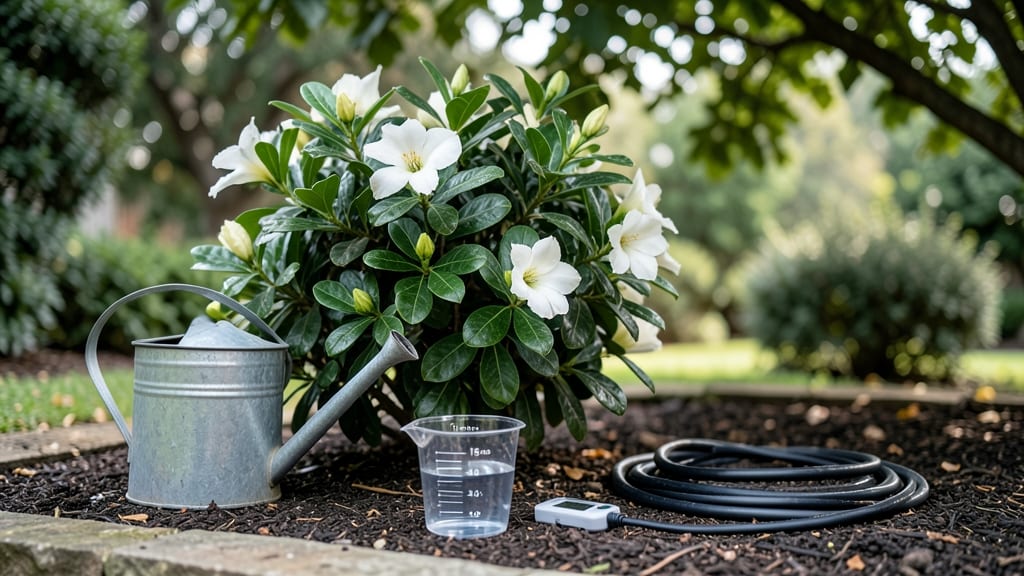
Gardenias need about 1-1.5 inches of water weekly to thrive, but the real trick is keeping their soil evenly moist without drowning their roots.
Struggling to keep your gardenias blooming beautifully? The secret isn’t just soil or sunlight—it’s watering consistency. Too much or too little, and those fragrant white flowers vanish faster than you can say "pruning season."
These shrubs love moisture but hate soggy feet, which means sticking your finger an inch into the soil before watering becomes your new best friend. In USDA Zone 6a, summer heat demands daily deep watering, while winter slows things down to every two weeks.
Below, I’ll break down exactly how much to water by season, how to tell if you’re over- or under-doing it, and the best methods for container vs. in-ground plants—so you can keep your gardenias lush and fragrant all season long.


Gardenia watering schedule: how often and how much for optimal growth
Mastering the gardenia watering schedule is the key to those lush, fragrant blooms you dream of. These tropical beauties thrive on consistency—but get it wrong, and you’ll end up with droopy leaves or no flowers at all.
The trick? Balancing soil moisture, seasonal needs, and container vs. in-ground differences. Let’s break it down so your gardenias stay happy and blooming all season long.
Gardenias love moist but never soggy soil. Think of their roots like a sponge—always slightly damp, but never drowning. In containers, they dry out faster than in-ground plants, while in-ground gardenias hold moisture longer.
Your watering routine should adjust based on these factors, plus the heat of summer or chill of winter. Let’s dive into the seasonal breakdown you’ve been waiting for.
Spring is when your gardenias wake up from dormancy, so gradually increase watering as new growth appears. Aim for every 2 days with 1-1.5 gallons for in-ground plants or ½ gallon for containers. The goal is to keep the top 1-2 inches of soil lightly moist.
Use your finger to check—if it feels dry, it’s time to water. Mulching with 2-3 inches of organic mulch helps retain moisture and regulate soil temperature.
Summer is the most critical season for watering. With daily deep watering, your gardenias need 2 gallons for in-ground or 1 gallon for containers. The key here is morning watering—this prevents fungal issues from evening moisture.
Avoid wetting the leaves and flowers, as this can lead to brown spots or powdery mildew. If you notice wilting by midday, it’s a sign you’re not watering enough. Pro tip: Drip irrigation is ideal for consistent moisture without leaf damage.
As summer fades into fall, reduce watering frequency to every 3-4 days. Your gardenias are preparing for dormancy, so 1 gallon for in-ground or ½ gallon for containers should suffice. Watch for yellowing leaves—this could mean overwatering or poor drainage.
If your soil stays soggy for more than a day, cut back on watering. Fall is also the time to test your soil pH (gardenias love acidic soil, 5.0-6.0). If it’s too alkaline, amend with sulfur or peat moss to keep them thriving.
Winter slows everything down, so water sparingly. Only water when the top 3-4 inches of soil are completely dry, typically every 2 weeks. Use ½ gallon for in-ground or ¼ gallon for containers.
If you’re in a frost-prone area, move potted gardenias to a sheltered spot or wrap them in burlap to protect roots. Never let containers sit in standing water—this causes root rot faster than you can say "frostbite."
Container gardenias dry out faster than in-ground plants, so they need more frequent watering—often every 1-2 days in summer. Choose terracotta pots for better drainage, and always use containers with drainage holes.
If you notice shriveled leaves or soil pulling away from pot edges, it’s a desperate cry for water. On the flip side, yellow leaves or mushy stems mean you’re overwatering.
Adjust based on your thumb test: Stick your finger 1 inch into the soil—if it’s dry, water; if it’s damp, wait.
Signs of underwatering include crispy leaf edges, drooping foliage, and buds that drop before opening. If you see these, increase watering immediately and move the plant to a shadier spot to reduce stress. Overwatering signs are just as telling: **yellow
5 Signs your gardenias aren’t getting the right amount of water
Your gardenias might be silently screaming for help if their watering routine is off. These fragrant shrubs thrive on consistency, and even small watering mistakes can lead to drooping leaves or fewer blooms. Learning to read their signals is the key to keeping them lush and fragrant.
Gardenias need consistent moisture but hate soggy roots. Overwatering causes root rot, while underwatering leads to wilting and leaf drop. Pay attention to these visual cues—they’re your gardenias’ way of communicating their needs before it’s too late.
- 1 Yellowing leaves with crispy edges mean underwatering. Gardenias need 1-1.5 inches of water weekly—check soil moisture by sticking your finger 2 inches deep. If it’s dry, water deeply until it drains from the bottom.
- 2 Drooping or wilted foliage signals thirst. Unlike drought-tolerant plants, gardenias can’t recover quickly—act fast by soaking the root zone and mulching to retain moisture. Avoid watering at night to prevent fungal issues.
- 3 Fewer blooms or buds dropping off? Stress from inconsistent watering (or overwatering) disrupts flowering. Adjust to morning watering and ensure well-draining soil—gardenias hate soggy roots but love even moisture.
- 4 Mushy stems or blackened leaves = root rot from overwatering. Let the top 1-2 inches of soil dry out between waterings. If infected, trim affected areas and repot in fresh, acidic soil to prevent spread.
- 5 Stunted growth or small, sparse leaves mean your gardenia is chronically underwatered. Boost watering to daily in summer (deep soaks) and every 2-3 days in spring/fall. Mulch with pine bark to lock in moisture.
Adjusting your watering routine is easier than you think. For container gardenias, water every 1-2 days in summer—pots dry out faster. In-ground plants need every 2-3 days, but always check soil moisture first. Morning watering is best—it gives leaves time to dry, reducing fungal risks.
Don’t ignore these signs! Gardenias are sensitive plants, and fixing watering issues early can save your shrub from decline. Once you master their watering needs, you’ll enjoy abundant blooms and that signature sweet fragrance all season long. 🌸
Pro tip: Use a moisture meter or the "finger test" to monitor soil. Gardenias prefer consistently damp (not soggy) soil—think of a well-wrung sponge. With the right watering, your gardenias will reward you with glossy leaves and heavy blooms! ✂️