
Planting
Should you plant your garden in Maryland 4-6 weeks before your last frost date — or risk waiting too long and missing the window entirely?
Maryland’s unpredictable spring weather can turn gardening newbies into anxious plant-watchers, but timing your garden correctly means the difference between a bountiful harvest and a sad, wilted disappointment.
From Baltimore’s urban balconies to the Eastern Shore’s sandy soils, each region has its own frost schedule — and warm-season crops like tomatoes need soil temperatures above 60°F to thrive.
Here’s your exact planting timeline by crop type, including when to prep soil, adjust for microclimates, and even salvage late starts with row covers.
Maryland last frost dates by region: when to start planting each crop type
Maryland’s last frost dates vary dramatically across its five USDA hardiness zones (5b-7a), making precise planting timing critical for success.
Whether you're in Baltimore’s urban heat islands, the Eastern Shore’s coastal breezes, or Western Maryland’s Appalachian foothills, knowing your region’s average frost-free date helps you avoid late spring freezes that can devastate tender seedlings.
For most of Maryland, the last average frost date falls between mid-April (Zone 7a) and early May (Zone 5b). However, microclimates—like city sidewalks that warm faster or sheltered valleys that stay cold longer—can shift these dates by 1-2 weeks.
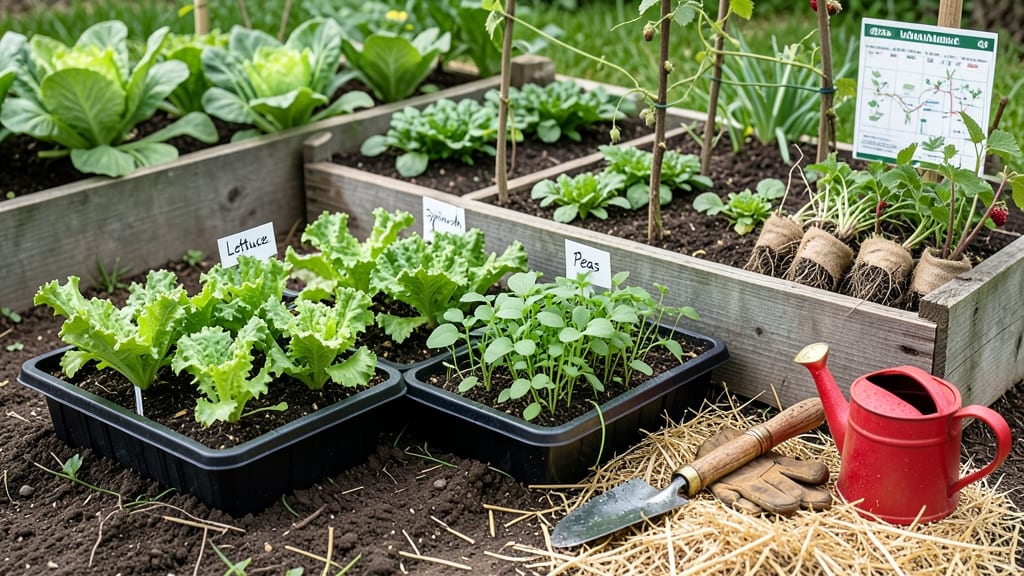
I’ll break down planting windows for both cool-season crops (like lettuce and peas) and warm-season crops (like tomatoes and peppers), so you can start seeds indoors or direct-sow at the perfect time.
The summary-table below organizes planting windows by Maryland’s four key regions, including adjustments for hardiness zone variations and crop-specific heat requirements. Use this as your roadmap to avoid the heartbreak of frost-nipped plants or waiting too long for harvests.
For cool-season crops like broccoli, spinach, and peas, start seeds 4–8 weeks before your last frost date, depending on their maturity time. In Zone 7a (Baltimore), that means sowing late February to early March for a spring harvest.
If you’re in Zone 5b (Western MD), hold off until late March to avoid frost damage.
Warm-season crops—tomatoes, peppers, and cucumbers—need soil temperatures above 60°F and consistent warmth. In Eastern Shore (Zone 7b), you can plant these 3–4 weeks after your last frost (late March), while Western MD gardeners should wait until late May to avoid late spring freezes that can kill young plants.
Pro tip: Use a soil thermometer to confirm warm-season planting times. If your soil stays below 60°F for more than a week, delay planting or use black plastic mulch to warm the soil faster.
I’ve seen tomato seedlings thrive when planted on warmed soil, even if the air temperature is still chilly.
Don’t forget about hardiness zone adjustments! If you’re in Zone 6b (Frederick County), add 1–2 extra weeks to your planting timeline compared to Zone 7a (Baltimore).
Microclimates matter too—south-facing slopes warm up faster, while low-lying areas stay colder longer. Observe your garden’s patterns for 3–5 years to refine your timing.
For container gardening in urban areas, start warm-season crops indoors 6–8 weeks before your last frost. This gives you a head start and lets you transplant hardened-off seedlings as soon as the soil warms.
I’ve grown peppers in pots on my Baltimore balcony by starting seeds in early February and moving them outside in late May.
Remember: Frost dates are averages, not guarantees. Keep a frost cloth handy for late spring and use row covers to protect young plants if a late frost warning appears. With these regional guidelines, you’ll be planting with confidence—and reaping the rewards of a well-timed Maryland harvest.
Best crops to plant in Maryland by month: a seasonal planting schedule
Gardening in Maryland rewards those who align their planting schedule with the state's distinct seasons and microclimates. While Maryland spans USDA zones 5b-7a, most gardeners fall in zones 6-7, meaning we enjoy a long growing season—if we time it right.
The key is knowing which cool-season crops thrive in early spring and fall, and which warm-season crops need to wait until after the last frost.
For Maryland gardeners, succession planting is your secret weapon. By staggering plantings every 2-3 weeks, you'll enjoy continuous harvests of lettuce, radishes, and beans instead of one big feast followed by empty garden beds.
Below, I’ve broken down the best crops to plant each month, including frost-sensitive varieties that need special care and hardy perennials that return year after year.
- March-April: Start cool-season crops like spinach, peas, and kale indoors or under row covers. Direct-sow radishes and lettuce once soil reaches 40°F.
- May: Plant warm-season crops like tomatoes, peppers, and cucumbers 2-3 weeks after last frost (typically mid-May). Start succession plantings of beans and zucchini every 2 weeks.
- June-July: Focus on heat-loving crops like okra, sweet potatoes, and southern peas. Sow fall broccoli and cabbage for late-season harvests. Herbs like basil and cilantro thrive in summer but may bolt—harvest often!
- August: Begin fall planting of cool-season crops like carrots, Brussels sprouts, and spinach for harvests before first frost (typically mid-October). Garlic and onions can be planted in late August for next year’s harvest.
- September-October: Extend the season with cold-hardy greens like kale, Swiss chard, and arugula. Plant cover crops like clover or winter rye to protect soil. Perennials like asparagus and rhubarb can be planted in early fall for spring growth.
- November-December: Focus on winter prep: mulch perennials, prune fruit trees, and plan next year’s crop rotations. Bulbs like tulips and daffodils can be planted in late fall for spring blooms.
Maryland’s coastal regions (like the Eastern Shore) often have milder winters and longer growing seasons than inland areas. If you live near the coast, you can push the envelope with tender crops like tomatoes and peppers by using black plastic mulch or row covers to trap heat.
Inland gardeners, however, should wait until soil temperatures consistently stay above 55°F before planting warm-season crops.
Don’t forget about container gardening—it’s perfect for small spaces, balconies, and urban areas. Many warm-season crops like bush beans, lettuce, and herbs thrive in containers and can be moved to sunnier spots as the season progresses.
Just ensure containers have drainage holes and use lightweight potting mix to prevent root rot.
Pro tip: Keep a gardening journal to track when you plant and harvest each crop. Over time, you’ll notice patterns in your local microclimate—whether it’s a warmer microclimate near a brick wall or a cooler spot in your shade garden.
Adjust your planting schedule accordingly for even better results! 🌱