
Tools
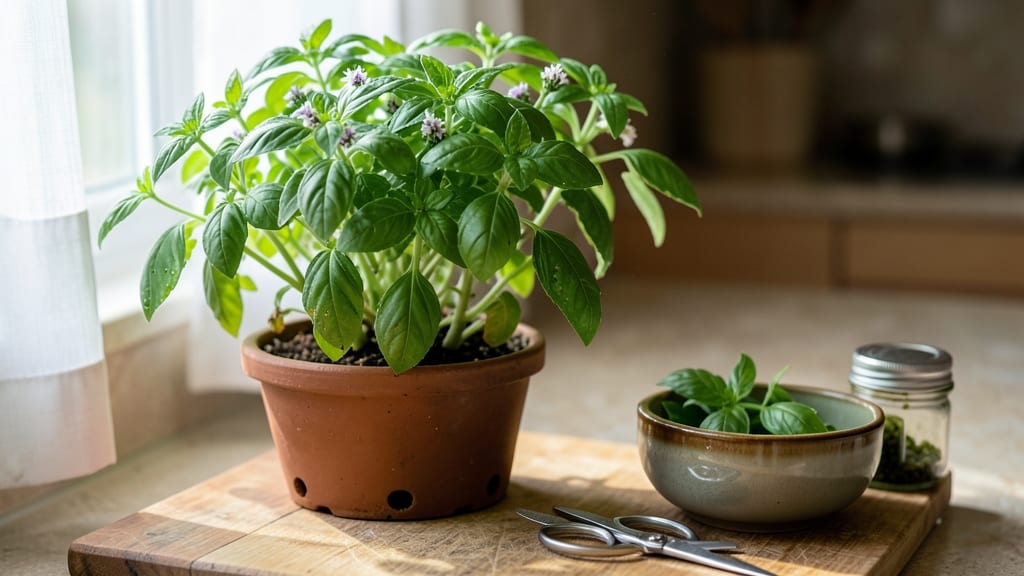
To use fresh basil from your garden, explore creative applications like infusing it into oils, freezing leaves in ice cubes for soups, or drying them for seasoning blends. You can also make basil vinegar, lemonade, or honey for year-round flavor, or incorporate it into pickled dishes, sautéed sides, and even baked goods to prevent waste.
Fresh basil from your garden is more versatile than you might think—its bright, aromatic qualities shine in unexpected ways. 🌿 For example, tossing chopped leaves into homemade tomato jam or fruit salads adds a refreshing twist, while blending it into fruit-infused oils creates a gourmet base for drizzling over pasta or grilled meats.
The key is using basil when it's at its peak, typically before the flowers bloom, to capture the most vibrant flavor. I’ve found that even small amounts can transform simple dishes, like a sprinkle of fresh basil on garlic bread or a basil-infused olive oil for dipping.
Beyond the kitchen, basil’s uses extend to beauty and wellness. Steep fresh leaves in hot water for a soothing facial steam, or mix chopped basil with honey for a natural remedy to soothe sore throats.
The possibilities are endless once you move past the classic pesto—think basil mojitos, savory basil shortbread, or even basil-infused cocktails. The goal is to experiment and find what works best for your taste and lifestyle.
💡 In This Article
- How to Preserve Fresh Basil for Long-Term Use
- 10 Unexpected Basil Recipes Beyond Pesto
How to preserve fresh basil for long-term use
Preserving basil effectively hinges on controlling moisture and enzyme activity to lock in its signature aroma and flavor compounds, like linalool and eugenol. These volatile oils evaporate quickly when exposed to air or heat, so the goal is to slow oxidation while maintaining cellular integrity.
Drying works by removing moisture below 10%—ideal for leaf powders or seasoning blends—while freezing halts enzymatic breakdown by encasing leaves in ice crystals at -4°F or colder.
For drying, spread leaves in a single layer on a screen or parchment paper in a dark, well-ventilated space (like a pantry) for 3-5 days until brittle. The key is gentle airflow to prevent mold while preserving chlorophyll’s green pigments.
Alternatively, dehydrate at 95°F for 2-3 hours to speed up the process without cooking the leaves. Once dry, store in an airtight container away from light—properly dried basil retains flavor for up to 6 months.
Freezing is simpler and preserves more vibrant color. Blanch whole leaves in boiling water for 30 seconds, then shock in ice water to stop cooking before patting dry. Spread on a tray to freeze individually (prevents clumping), then transfer to a sealed bag.
Frozen basil stays fresh for 6-8 months, perfect for soups or sauces where texture doesn’t matter. For oils, infuse basil in olive oil at room temperature for 2-3 days—the leaves’ cellular walls rupture, releasing aromatic compounds into the fat.
Fermentation is the most advanced method, creating probiotic-rich vinegars or pickles. Submerge chopped basil in white vinegar (1:3 ratio) with garlic and herbs, then let sit for 2 weeks in a dark jar. The acetic acid preserves flavor while developing tangy depth.
Similarly, pickle basil stems in brine (5% salt solution) for 48 hours—the lactic acid bacteria create a crunchy, probiotic-rich snack that lasts 3 months refrigerated.
Each method targets different compounds: drying preserves terpenes, freezing locks in chlorophyll, and fermentation creates new flavor profiles through microbial action. The best choice depends on your end use—dried for baking, frozen for cooking, and fermented for health benefits. 💫
Pro tip: Avoid overhandling leaves, as bruising accelerates oxidation. For maximum potency, harvest in the morning when essential oil concentrations peak—this makes all the difference in flavor retention.