
Size
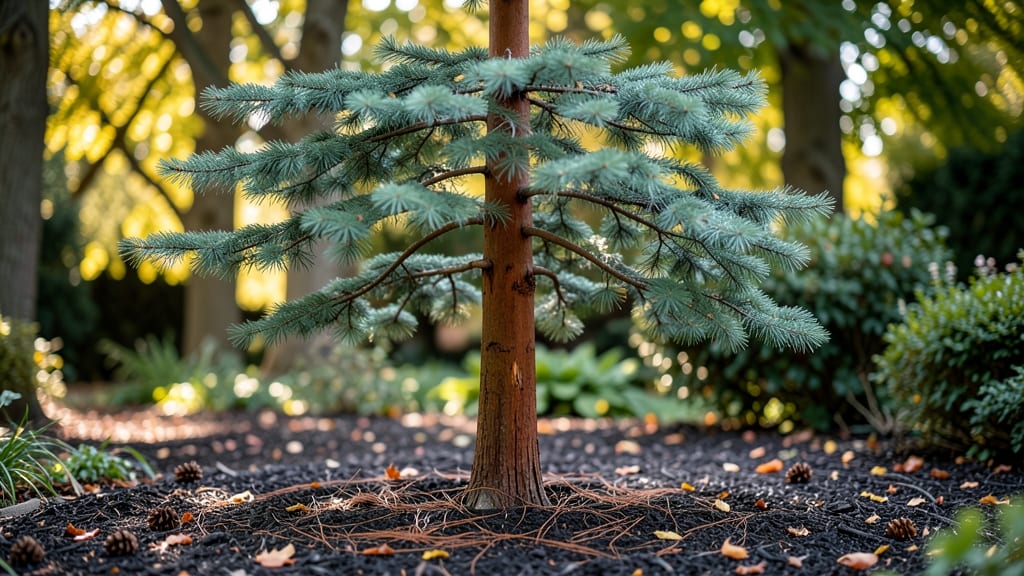
The rarest plants you can grow in a garden are the Middlemist Red camellia, Franklin Tree, Handkerchief Tree, Wood’s Cycad, and Ghost Plant—each pushing the limits of what's possible in home cultivation. These botanical marvels are on the brink of extinction in the wild, requiring greenhouse conditions, precise humidity control, and years of patience to thrive.
Growing these ultra-rare botanicals isn't just about space—it's about recreating their native environments. 🌱 The Franklin Tree, for example, needs subtropical warmth year-round, while Wood’s Cycad thrives in sandy, acidic soil that mimics its Australian habitat. Even the seemingly delicate Ghost Plant demands near-desert conditions with minimal water.
What makes these species so challenging is their slow growth—some take decades to mature, yet their beauty and conservation value make the effort worthwhile for dedicated plant enthusiasts.
Legal hurdles add another layer of complexity. Many of these plants are protected under CITES agreements, meaning you'll need permits for propagation or purchase. Always verify sourcing with reputable nurseries specializing in endangered species. The reward? A living piece of botanical history that most gardeners will never experience.
💡 In This Article
- Why These Rare Plants Are Nearly Extinct in Nature
- How to Cultivate Critically Endangered Plants at Home
Why these rare plants are nearly extinct in nature
The Franklin Tree (Franklinia alatamaha) serves as a perfect case study for extinction risks. Native to Georgia's coastal plains, it was already critically endangered by the 1800s when its only known wild population was wiped out by habitat destruction for cotton farming.
This species' survival hinges on a single pollinator—the white-marked tussock moth—whose larvae feed exclusively on its leaves. 🌿 When the moth's population declined due to pesticide use, the tree's reproduction collapsed. Today, all Franklin Trees descend from just 17 plants discovered in 1765.
Climate change exacerbates these threats through microclimate disruption. The Wood's Cycad (Encephalartos woodii), for example, thrives in Australia's sandy, acidic soils with 60-70% humidity and 75-85°F temperatures. Rising global temperatures are drying these habitats, while invasive plant species outcompete native cycads for water.
Unlike fast-growing weeds, cycads mature over 50+ years, making population recovery nearly impossible when habitats shrink. Their seeds also require specific fungal symbionts for germination—a process that fails when soil ecosystems degrade.
Slow growth rates create another vulnerability. The Handkerchief Tree (Davidia involucrata) produces seeds only every 3-5 years, and each seedling takes 10-15 years to reach flowering age. This generational bottleneck means even small habitat losses can push populations to extinction.
Compare this to common garden plants like roses, which can produce thousands of seeds annually and flower within 1-2 years. The Middlemist Red camellia faces similar risks, with its hybrid vigor dependent on rare genetic combinations that no longer exist in the wild.
Human activity has also fragmented critical habitats. The Ghost Plant (Graptopetalum paraguayense), while not endangered, represents this pattern. Its natural range in Mexico's semi-arid mountains has been reduced by 30% in 50 years due to overgrazing and urban sprawl.
Unlike drought-resistant cacti, the Ghost Plant's succulent leaves store minimal water, making it highly sensitive to altered rainfall patterns. A single drought year can kill 80% of wild specimens, whereas common houseplants like snake plants survive months without water.
What makes these plants' plight particularly tragic is their ecological uniqueness. The Franklin Tree's flowers, for instance, produce nearly odorless blooms that rely entirely on moths for pollination—a trait that evolved in its isolated habitat. When introduced to new environments, these specialized adaptations become liabilities.
The Ghost Plant's pink-tinged leaves also contain unique anthocyanins that protect against UV radiation in high-altitude Mexican sunlight, but these same pigments make the plant more vulnerable to photosynthetic damage when exposed to lower-light conditions.
Conservationists often highlight how these species serve as bioindicators—their decline signals broader ecosystem collapse. The Wood's Cycad, for example, requires mycorrhizal fungi in its roots to access nutrients, making its health directly tied to soil biodiversity. When these fungi disappear, the cycad follows.
This interconnectedness explains why 90% of rare plant species share similar vulnerability profiles: they're not just rare because of low numbers, but because their survival depends on entirely specific environmental conditions that modern agriculture and climate change are erasing.