
Tools
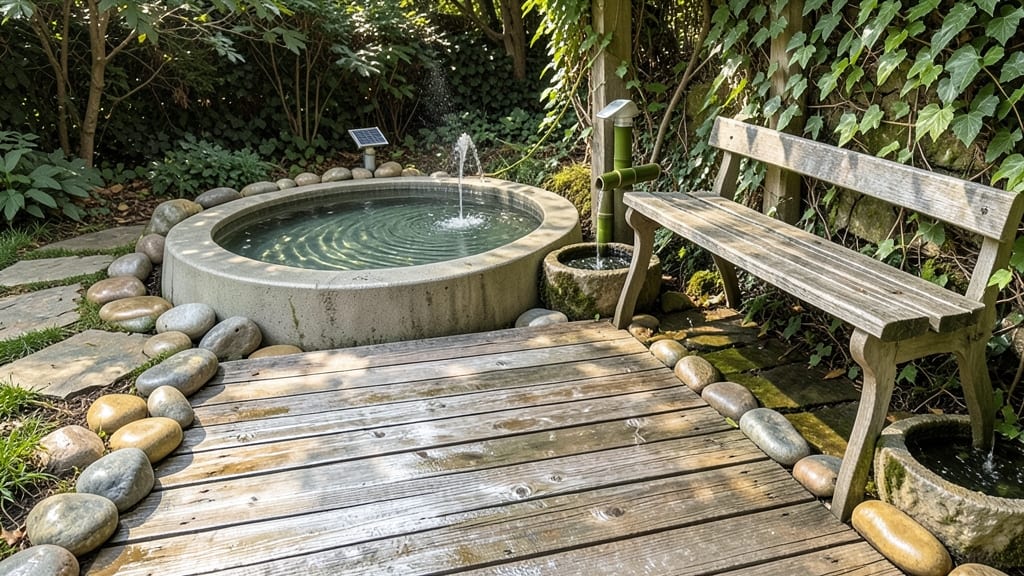
A garden bath is a nature-integrated soaking tub that creates a tranquil outdoor retreat, often crafted from natural materials like stone or wood and built directly into garden landscapes. Unlike hot tubs, these tubs are unheated, standalone-free, and designed to harmonize with surrounding plants and natural elements.
A garden bath transforms your outdoor space into a peaceful sanctuary by immersing you in nature's beauty. 🌿 Unlike hot tubs, these tubs don't rely on artificial heating or jets—they're all about simplicity and connection to the environment.
Many homeowners choose them for their minimalist design, which often includes built-in seating or surrounding greenery to enhance the experience. The absence of built-in jets also means they require less maintenance while still providing that same soothing soak.
What makes garden baths truly special is their ability to become a focal point in your landscape. You can customize them with natural stones, wood accents, or even integrate them with nearby water features like small fountains or ponds.
This creates a seamless transition between your tub and the surrounding garden, making every soak feel like a natural extension of your outdoor living space.
💡 In This Article
- How Garden Baths Blend Into Landscaping
- Key Features to Consider When Choosing a Garden Bath
How garden baths blend into landscaping
Garden baths are designed to disappear into your landscape rather than dominate it, using materials that mimic natural surroundings. Unlike hot tubs—which often feature sleek, industrial designs with built-in jets—they prioritize organic shapes and textures.
Stone is the most popular choice because it ages beautifully, developing a weathered patina over time that blends with the earth. Wooden baths, often crafted from cedar or teak, add warmth and can be stained or left natural to complement garden hues.
Even concrete baths can be finished with textured coatings to resemble stone or bark.
The integration goes beyond materials—placement is everything. These tubs are typically nestled into garden beds, surrounded by native plants that thrive in moist conditions, like hostas, ferns, or water-loving grasses. Some designs incorporate shallow water features around the base, creating a seamless transition between the soaking area and the garden.
The result? A space that feels like an extension of nature rather than an added structure. Unlike hot tubs, which often require dedicated patios or decks, garden baths can be built directly into sloped terrain or sunken into garden beds for a more intimate feel.
What sets them apart from hot tubs is their lack of mechanical elements. No built-in jets or heating systems means no visible pumps or wiring—just pure simplicity. This minimalist approach allows the natural environment to take center stage.
For example, a garden bath surrounded by lavender and rosemary might fill the air with fragrant steam during a soak, while one near a pond could incorporate gentle water sounds from nearby fountains.
The absence of artificial features also means less maintenance—no need to clean filters or worry about electrical components exposed to the elements.
Consider the sensory experience: The cool stone underfoot, the rustling leaves above, and the scent of damp earth all work together to create a multi-sensory retreat. Unlike hot tubs, which often rely on bubbles and lighting for ambiance, garden baths use the garden itself as their decor.
Even the water temperature plays a role—since they're unheated, you'll experience the natural temperature of your climate, which can be refreshing in summer and cozy in spring/fall when paired with a warm blanket. This connection to the elements is what makes them so uniquely relaxing.
For those who love DIY projects, garden baths can be fully customized to match your landscape. You might build one into a sunken garden surrounded by boxwood hedges or create a freeform shape using stacked river stones.
The key is to let the garden dictate the design rather than forcing the tub into a pre-made mold. This flexibility is a major draw—unlike hot tubs, which come in standardized sizes and shapes, garden baths can be as unique as your outdoor space.
The result is a soaking experience that feels personal and intentional.
One final touch: Many garden baths include built-in seating or surrounding ledges for placing towels, candles, or books. These details enhance the functionality without sacrificing the natural aesthetic. The goal is to create a space where you can fully unwind, surrounded by the sights, sounds, and scents of your garden.
It's not just about the tub—it's about the entire experience of stepping into nature.