
Planting
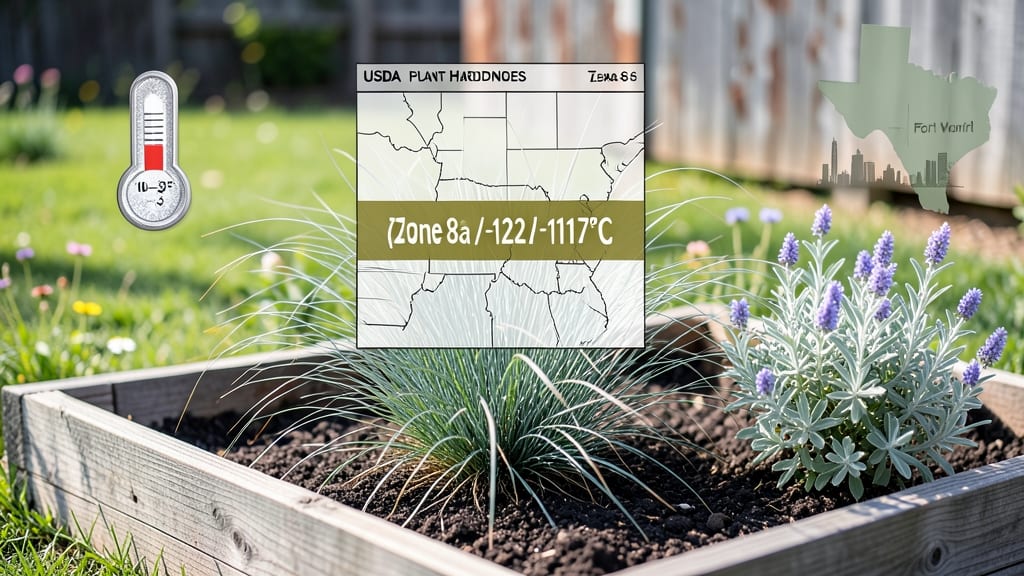
Fort Worth, Texas, is in USDA Hardiness Zone 8a, where winter lows typically sit between 10°F and 15°F (-12°C to -9°C), directly impacting what plants thrive year-round in North Texas gardens.
This classification determines which plants can survive Fort Worth’s chilly winters and scorching summers. 🌱 The zone affects everything from when you can plant cool-season crops in early spring to which perennials will return reliably year after year.
For example, roses, peaches, and figs all do well here, while tropical plants like bananas need container growing or winter protection.
What’s interesting is how urban areas like Fort Worth can have microclimates—some spots might experience 5°F warmer temperatures than others due to pavement, buildings, or elevation. This means your garden’s exact location can shift your effective zone slightly, especially in heat islands where concrete absorbs and radiates warmth.
💡 In This Article
- Understanding Fort Worth’s USDA Zone 8a Climate Factors
- Microclimate Adjustments for Fort Worth Gardens
Understanding Fort Worth’s USDA Zone 8a climate factors
Fort Worth’s classification as USDA Zone 8a stems from its average annual minimum winter temperatures, which typically hover between 10°F and 15°F (-12°C to -9°C). This range is critical because it dictates which plants can survive dormancy during winter.
For instance, cold-hardy perennials like roses, peaches, and figs thrive here, while tropical varieties like citrus trees require winter protection or container growing to prevent frost damage.
The city’s seasonal extremes matter just as much as the cold. Summers often reach 95°F to 105°F (35°C to 40°C), creating a stark contrast that affects plant water needs and soil health.
During these months, plants like okra and sweet potatoes flourish, but heat-sensitive crops such as lettuce or spinach bolt quickly.
The last frost date usually falls around March 15, while the first frost arrives between November 15 and December 1, giving gardeners a roughly 200-day growing season—long enough for two full planting cycles.
Dormancy cycles are another key factor. Plants in Zone 8a enter a semi-dormant state during winter, slowing growth but not completely halting it. This means mulching with 2-3 inches of organic matter (like shredded leaves or straw) helps insulate roots and retain moisture.
Without this protection, tender perennials like salvias or lavender might suffer frost damage, even in Zone 8a’s milder winters.
Wind exposure also plays a role in Fort Worth’s climate. Urban areas with tall buildings can create wind tunnels, drying out soil and stressing plants, while rural zones benefit from natural windbreaks like trees or fences.
For example, wind-prone spots may require staking for taller plants like sunflowers or tomatoes, whereas sheltered gardens can support more delicate varieties like basil or cilantro without extra support.
Soil composition varies too—urban soils often compact from foot traffic, reducing drainage, while rural soils may be loamy and well-draining. Testing your soil’s pH (ideally 6.0 to 7.5 for most vegetables) helps determine whether amendments like lime (for acidic soil) or sulfur (for alkaline soil) are needed.
For instance, blueberries thrive in acidic soil (pH 4.5-5.5), while tomatoes prefer slightly acidic to neutral (pH 6.0-6.8).
Understanding these factors helps gardeners match plants to their microclimates. For example, a north-facing wall in an urban yard might stay 5°F cooler than the surrounding area, allowing you to grow cool-season crops like kale a week earlier than in full sun.
Conversely, a south-facing patio could extend the growing season for heat-loving peppers by 2-3 weeks compared to shaded spots.