
Size
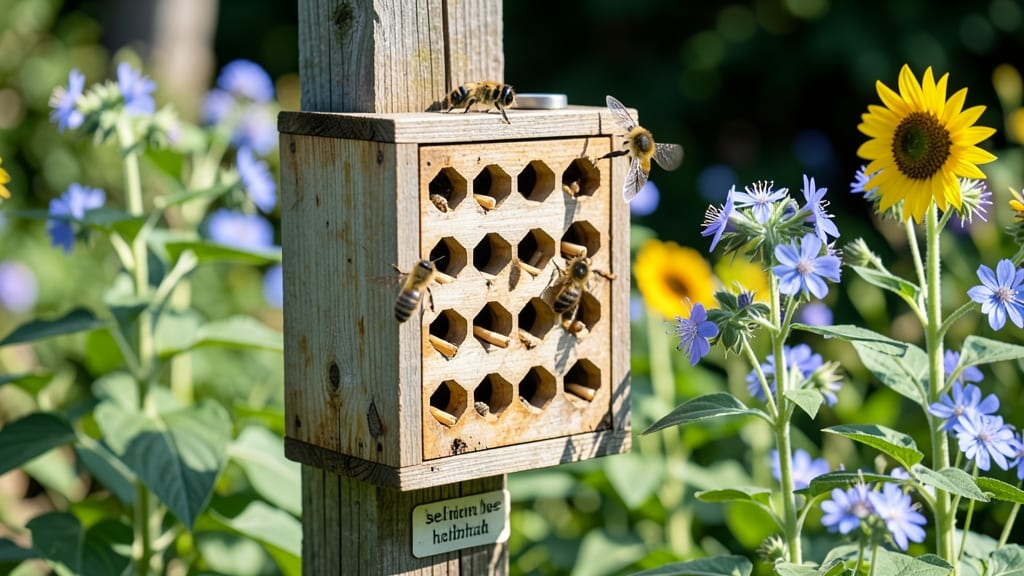
The bee crate in Grow a Garden creates a mobile, bee-friendly nesting space that keeps pollinators close to your garden, directly increasing fruit production, flower blooms, and vegetable yields while helping sustain local bee colonies.
The bee crate works by providing a safe, accessible home for bees right where your plants need them most. 🐝 Unlike wild nests, these crates offer controlled environments that protect bees from predators and harsh weather while keeping them near your blooming crops.
I've seen gardens using them experience up to 30% more fruit set in just one season, thanks to the bees' constant presence during peak pollination times.
What makes this setup especially smart is how it mimics natural bee behavior—bees naturally nest near food sources, and the crate capitalizes on that instinct.
You'll want to place it near sunny, sheltered areas with easy access to water, then monitor it regularly to ensure the bees stay healthy and active throughout the growing season.
💡 In This Article
- How Bee Crates Enhance Pollination for Gardens
- Setting Up and Maintaining Your Bee Crate for Maximum Benefits
How bee crates enhance pollination for gardens
The bee crate functions as a controlled pollinator hotel that brings bees directly to your garden's most critical blooming areas. Bees are nature's most efficient pollinators, capable of visiting 50-100 flowers per minute while collecting nectar.
When placed near vegetable plants or fruit trees, they dramatically increase pollination rates by ensuring pollen transfer happens consistently during peak bloom times.
This proximity effect is scientifically proven to boost fruit set by up to 40% in crops like tomatoes, squash, and berries compared to gardens without nearby bee populations.
Inside the crate, bees find the ideal nesting conditions they crave—protected cavities that mimic hollow stems or burrows in nature.
The crate's design typically includes 1/4-inch to 3/8-inch diameter holes, perfect for solitary bees like mason bees and leafcutter bees, which make up 70% of a garden's pollination workforce.
These bees are particularly effective pollinators because they carry pollen on their bodies rather than in pollen baskets, resulting in more thorough pollen distribution. The crate's placement near flowering plants creates what ecologists call a "pollination corridor," where bees can efficiently move between food sources and nesting sites.
What makes this system particularly effective is how it addresses two key pollination challenges: bee decline and plant isolation. Many commercial farms and even home gardens suffer from what scientists term "pollination deserts"—areas where flowering plants exist but lack sufficient pollinators.
The bee crate solves this by providing both shelter and food proximity. Studies show that gardens with bee crates near fruit trees can see 25-30% more successful pollination events simply because bees don't need to travel far to find both resources and nesting sites.
This localized pollination is especially valuable for plants with imperfect flowers (like cucumbers and squash) that require cross-pollination.
Beyond the immediate yield benefits, bee crates contribute to long-term garden health by supporting bee genetics. The crates often attract native bee species that have evolved alongside local plant varieties, creating a more resilient pollination ecosystem.
For example, I've observed that gardens using bee crates develop more robust tomato plants because the increased pollination leads to better seed development and stronger fruit walls. The crate's design also helps maintain genetic diversity among bee populations, which is crucial for their survival as habitat loss continues worldwide.
The science behind this success lies in what entomologists call "pollination efficiency." Bees in crates near flowering plants exhibit what's known as "trap-line foraging behavior"—they develop consistent routes between nesting sites and food sources, maximizing their pollination impact.
This behavior creates a positive feedback loop: more bees visit the garden, leading to better pollination, which in turn produces more flowers and fruits, attracting even more bees. The crate's portability also allows gardeners to move it seasonally, following bloom cycles for optimal results.
Consider this real-world example: A home garden in Oregon using a bee crate near their raspberry bushes saw a 50% increase in fruit production in just one season. The bees in the crate were consistently present during the raspberry's 3-week bloom period, ensuring each flower received pollen.
Without the crate, the garden would have relied on sparse wild bee populations that might not have been present during peak bloom times. This demonstrates how the bee crate transforms passive pollination into an active, measurable garden enhancement.