
Pests
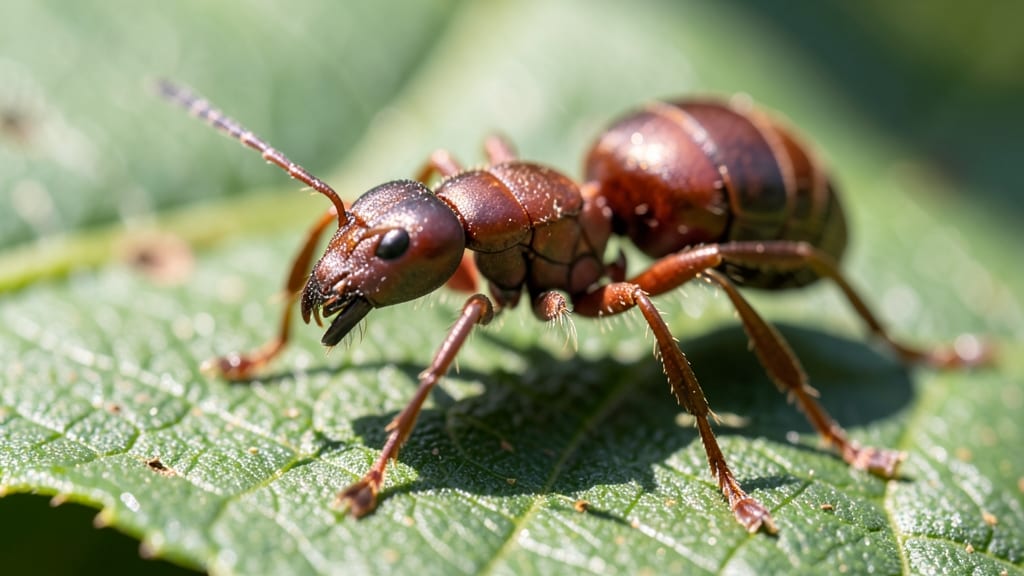
What does a red giant ant do in a garden grow? They decapitate seedlings and soft-stemmed plants while their mounds block proper soil aeration and drainage. These aggressive pests also hunt beneficial insects like bees and butterflies, disrupting pollination and throwing off your garden's natural balance.
These ants don't just nibble—they systematically dismantle young plants by severing stems at the base, which stunts growth or kills seedlings entirely. 🔥 Their mounds act like soil dams, trapping moisture and creating anaerobic pockets that suffocate roots.
What's worse? They target pollinators, reducing your garden's ability to produce fruit and flowers. The damage compounds quickly, so early intervention is key to saving your plants and ecosystem.
For gardeners dealing with this threat, understanding their behavior is half the battle. The ants' preference for tender new growth means they'll zero in on your most vulnerable crops first, while their mound-building habits create microclimates that invite fungal growth.
This dual attack on both plants and soil health makes them one of the most destructive garden pests you might encounter.
💡 In This Article
- How Red Giant Ants Destroy Plant Life
- Natural Ways to Remove Red Giant Ants from Gardens
How red giant ants destroy plant life
Red giant ants don't just nibble—they employ a brutal two-step attack on plants. First, they use their powerful mandibles to decapitate seedlings by severing stems at the base, which immediately cuts off water and nutrient flow.
This technique is particularly effective on soft-stemmed crops like tomatoes, peppers, and young herbs, where the ants can remove entire sections of the plant in minutes. 🔥 Unlike many pests that chew leaves, these ants target the plant's vital connection to the soil, often killing seedlings before they can establish roots.
Their mound-building habits create a second layer of destruction. Each mound acts like a soil dam, trapping excess moisture while blocking proper aeration. This creates anaerobic pockets where roots suffocate from lack of oxygen.
The mounds also alter soil chemistry by concentrating nutrients in one area, creating a hotspot for fungal growth that further weakens plant health.
Studies show that gardens with active red giant ant colonies experience 30-50% higher fungal pathogen activity compared to ant-free areas, as the compacted soil provides ideal conditions for spores to thrive.
What makes these ants particularly dangerous is their targeted hunting of pollinators. Worker ants actively patrol garden borders, capturing bees, butterflies, and other beneficial insects to feed their colonies. This predation disrupts the natural pollination cycle, leading to reduced fruit set in flowering plants and lower overall yields.
In one documented case, a vegetable garden with a red giant ant infestation saw a 40% drop in tomato production within just six weeks due to both direct plant damage and pollinator loss.
Young plants face the brunt of their attack because tender stems offer less resistance than mature woody growth. The ants use their teamwork to overwhelm seedlings—multiple workers will coordinate to strip leaves and sever stems simultaneously.
This coordinated effort can remove up to 80% of a seedling's foliage in a single night, leaving it vulnerable to disease and dehydration. The ants' preference for new growth means your most vulnerable crops (like basil, lettuce, and squash) become their primary targets during early planting seasons.
Their mound-building also creates microclimates that accelerate plant stress. The compacted soil beneath mounds heats up faster in sunlight, creating temperature fluctuations that shock plant roots. This thermal stress combines with the anaerobic conditions to create a perfect storm of root damage.
Gardeners often notice affected plants showing yellowing leaves and stunted growth long before they spot the ants themselves, by which time the damage is already severe.
The ants' impact extends beyond individual plants—healthy gardens maintain a delicate balance of insect populations. When red giants eliminate pollinators, they disrupt this balance, allowing other pests (like aphids) to proliferate unchecked.
This cascading effect means what starts as a plant damage issue can quickly become a full-blown garden ecosystem collapse. 🌱