
Size
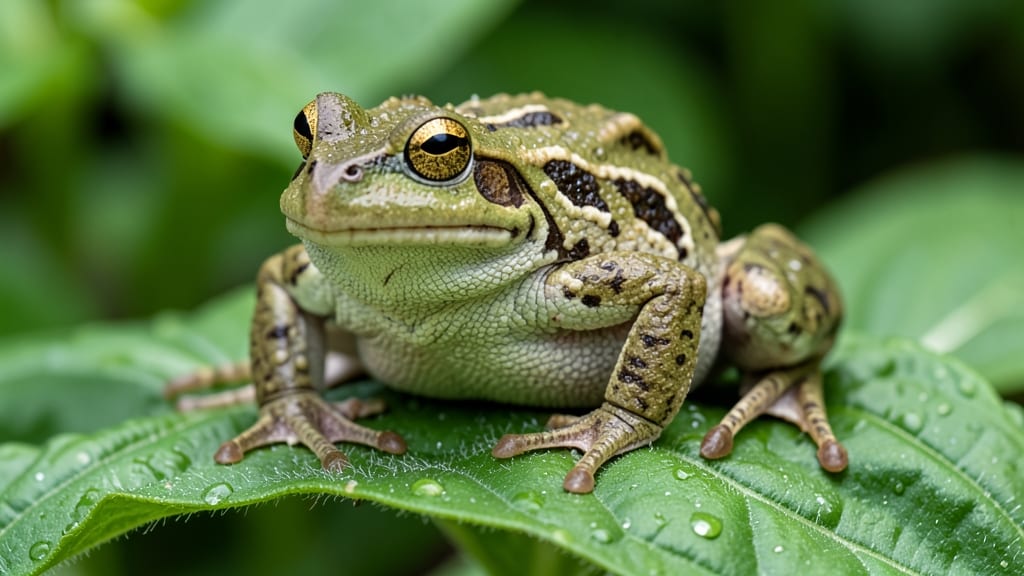
Frogs play a vital role in growing a garden by controlling pests like mosquitoes, flies, beetles, and aphids through their natural hunting habits, which helps reduce the need for chemical pesticides and promotes a healthier ecosystem through their waste and predatory balance.
Frogs are the unsung heroes of any garden, acting as living pest management systems. 🐸 Their diet isn't just limited to annoying insects—they also target garden nuisances like slugs and caterpillars, which can devastate plants.
What's fascinating is how they selectively hunt: they avoid beneficial pollinators like bees while keeping harmful populations in check. This natural balance means fewer chemicals in your soil and a more sustainable growing environment.
Beyond pest control, frogs contribute to soil health through their waste, which acts as a natural fertilizer. Their presence often signals a thriving ecosystem where other beneficial wildlife—like birds and beneficial insects—will also take up residence.
The key to attracting them is simple: provide water sources (like shallow dishes) and hiding spots (rocks or dense foliage), while avoiding pesticides that would harm them.
💡 In This Article
- How Frogs Naturally Regulate Garden Insect Populations
- Creating a Frog-Friendly Garden to Boost Pest Control
How frogs naturally regulate garden insect populations
A single frog can consume 50-100 insects per night, making them one of nature's most efficient pest control systems. Their diet includes mosquito larvae (which they hunt in standing water), aphids (sucking plant sap), beetles (chewing leaves), and caterpillars (defoliating plants).
Unlike chemical pesticides that kill indiscriminately, frogs target slow-moving or stationary pests, leaving beneficial pollinators like bees and butterflies unharmed. 🐸 This selective hunting preserves the garden's ecological balance while keeping harmful insect populations naturally suppressed.
The hunting process begins at dusk when frogs become most active. They use their long, sticky tongues to snatch prey within 0.05 seconds—a mechanism honed for precision. Their diet shifts seasonally: in spring, they focus on mosquito larvae and slugs, while summer brings more flies and beetles.
Studies show gardens with frog populations experience 30-50% fewer pest-related plant damages compared to those without. The key is their ability to regulate populations before they reach outbreak levels, preventing the need for chemical interventions.
Frogs also contribute to plant health indirectly through their waste. Their droppings contain nitrogen and phosphorus, which act as a slow-release fertilizer. This nutrient recycling supports plant growth while maintaining soil microbial diversity.
Unlike synthetic fertilizers, frog waste breaks down naturally without disrupting the soil's delicate balance. Their presence often correlates with healthier soil structures and increased microbial activity, creating a self-sustaining garden ecosystem. 🌱
What makes frogs particularly effective is their role in breaking pest life cycles. For example, by consuming mosquito larvae in standing water, they prevent adult mosquitoes from emerging to bite humans or lay eggs. Similarly, their predation on slugs reduces the need for slug baits that can harm other wildlife.
This natural regulation works best in gardens with diverse plant life, as different frog species specialize in hunting specific prey types. A garden with both open areas and dense foliage will attract a wider variety of frogs, each targeting different pests.
Consider the case of the American bullfrog, which can eat up to 12,000 insects per year. In vegetable gardens, their presence often correlates with fewer tomato hornworms and squash vine borers—two pests that can devastate crops.
Their hunting patterns are also temperature-dependent: they're most active when nighttime temperatures stay above 50°F (10°C). This means colder climates may see reduced frog activity during winter, requiring gardeners to implement additional pest control measures during those months. 🌡️
Frogs also play a role in controlling soil-dwelling pests like grubs and cutworms. When these pests emerge to feed on plant roots or stems, frogs are quick to respond.
Their presence in the garden often indicates a healthy balance between predators and prey, a sign that the ecosystem is functioning properly. Unlike chemical solutions that create resistance in pests over time, frogs adapt their hunting strategies to keep up with changing insect populations, maintaining long-term pest control effectiveness. 🔍