
Flowers
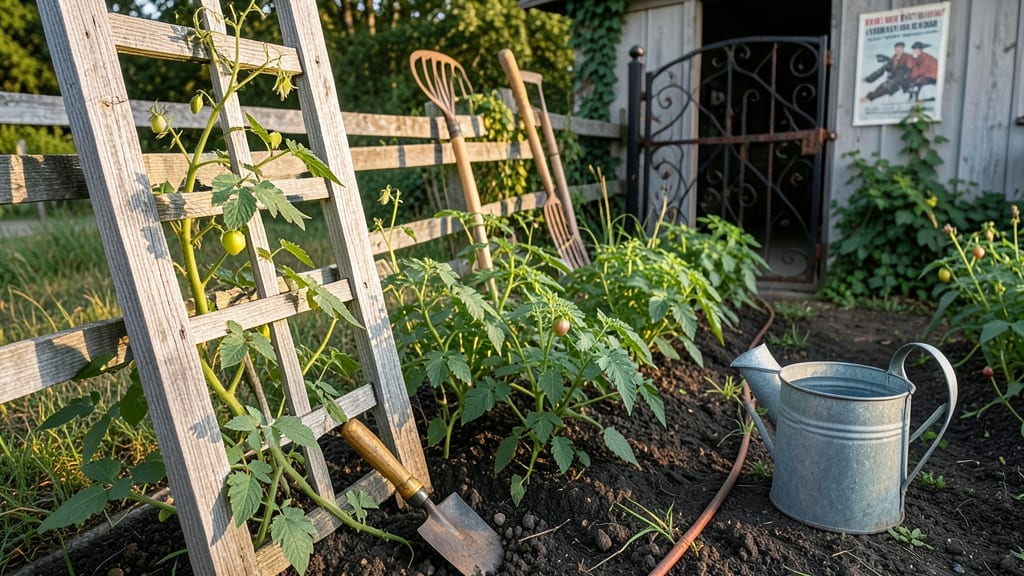
Understanding victory gardens meaning reveals their core purpose: community-based food production during crises. These gardens emerged during World War I and II to combat shortages, empowering civilians to grow their own vegetables while reducing reliance on commercial supplies. Today, they represent a powerful movement blending sustainability, self-reliance, and resilience in modern agriculture.
Victory gardens weren't just about growing food—they were a patriotic act during wartime. 🌱 The U.S. government launched campaigns like "Food Will Win the War," encouraging families to dedicate even small urban spaces to cultivation.
By 1943, over 20 million victory gardens produced 40% of the nation's fresh vegetables, proving how collective effort could transform food security. This historical model now inspires today's urban farmers and sustainability advocates who see them as a blueprint for modern food independence.
The modern revival focuses on adaptability—container gardening, vertical farming, and seed-sharing networks keep the spirit alive. Many communities now use victory garden principles to address food deserts or climate change impacts, proving these methods transcend their wartime origins.
What's fascinating is how this simple concept of "grow your own" has evolved into a symbol of both personal empowerment and collective responsibility.
💡 In This Article
- Origins of Victory Gardens in World Wars
- Modern Victory Gardens: Purpose and Practices
Origins of victory gardens in world wars
The concept of victory gardens emerged as a direct response to food shortages during World War I, when agricultural production plummeted by 15-20% due to diverted labor and resources.
The U.S. government launched the first organized campaign in 1917 through the National War Garden Commission, distributing 10 million pamphlets with planting guides.
These gardens weren't just practical—they were framed as patriotic acts, with propaganda posters showing soldiers saluting homegrown vegetables. 🌱 The psychological impact was significant: growing food gave civilians a tangible way to contribute to the war effort while easing rationing burdens.
By World War II, victory gardens had become a full-blown national movement. The Office of War Information reported that by 1943, 40% of America's fresh vegetables came from these gardens, with families cultivating everything from potatoes to tomatoes in backyards, rooftops, and even vacant lots.
The government provided free seeds, fertilizer, and gardening tools through programs like "Victory Garden Week," while first lady Eleanor Roosevelt hosted a White House garden to set an example.
What made this possible was the combination of food rationing (which created demand) and propaganda campaigns that positioned gardening as a civic duty.
The science behind their success was simple but effective: victory gardens utilized intensive planting techniques like succession planting (harvesting crops in stages) and companion planting (pairing plants that benefit each other, like tomatoes with basil). These methods maximized yield in limited space—a critical factor when urban areas had little land.
The physical act of gardening also served as mental resilience training during stressful times, with studies showing that 44% of gardeners reported reduced anxiety from tending their plots. 💛
One often-overlooked detail is how victory gardens reshaped agricultural education. Schools incorporated gardening into curricula, and 4-H clubs expanded their programs to teach children about soil science and plant biology. This educational component ensured the knowledge would persist beyond the war years, creating a foundation for modern sustainable agriculture.
The movement proved that even small-scale efforts could have massive collective impact—a lesson still relevant today.
What's particularly striking is how victory gardens reflected the era's gender norms while simultaneously challenging them. While women were traditionally seen as homemakers, the war effort required them to take on new roles—including managing family farms and operating tractors.
The victory garden movement became a symbol of women's expanding capabilities, with one-third of all victory gardens being managed by women during WWII. This duality of tradition and progress is a fascinating aspect of their historical legacy.