
Watering
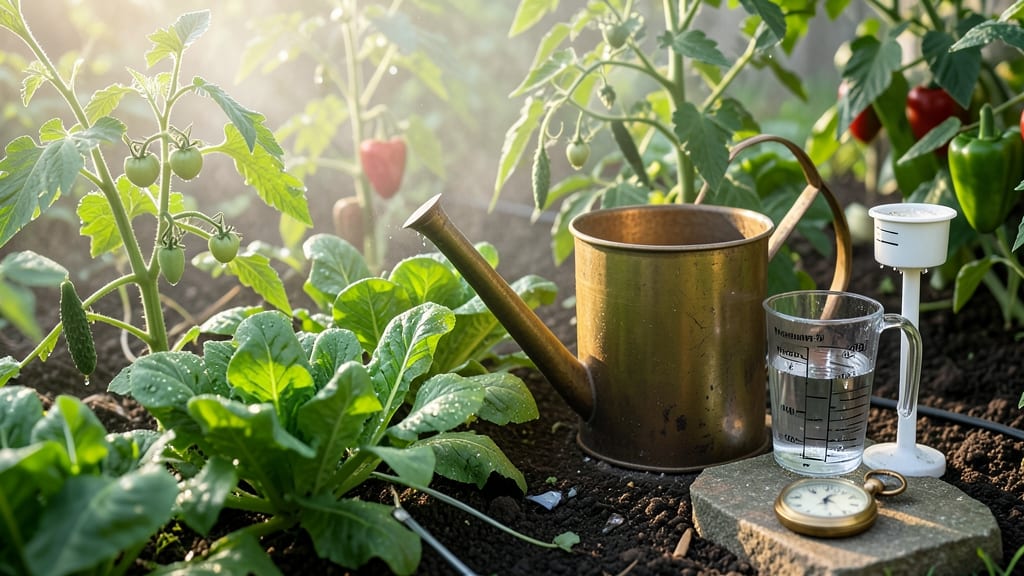
A vegetable garden needs 1 to 2 inches of water per week to thrive, but the exact amount depends on your soil, climate, and the crops you’re growing.
Struggling to keep your 🥬 garden thriving? Overwatering or underwatering can ruin your harvest—here’s the science-backed watering schedule your plants actually need to grow strong and productive.
Most vegetables need consistent moisture, especially during their growing season, but sandy soil drains faster than clay, and leafy greens like lettuce need more frequent watering than root crops like carrots.
Below, I break down how much water each crop needs, when to water for best results, and how to adjust for heatwaves or droughts—so you can keep your garden lush without wasting a drop.


Weekly water requirements for common vegetable crops by type
Understanding how much water your vegetable garden needs is the difference between a thriving harvest and wilted disappointment.
Most vegetables thrive with 1-2 inches of water per week, but the exact amount depends on the crop type, growth stage, and climate. Leafy greens and herbs need consistent moisture, while root vegetables and fruiting plants have different tolerances for dry spells.
Let’s break it down by category to give your garden the perfect hydration balance.
For leafy greens like lettuce, spinach, and kale, aim for 1-1.5 inches of water weekly. These plants prefer even soil moisture—never let the top inch dry out completely.
In hot climates, you may need to water daily or every other day to prevent bolting (when greens flower prematurely). Herbs like basil and cilantro also love moisture but can tolerate slightly drier conditions once established.
| Crop Type | Weekly Water Needs | Soil Moisture Target | Climate Adjustments |
|---|---|---|---|
| Leafy Greens (Lettuce, Spinach, Kale) | 1-1.5 inches | Top 1 inch moist | Daily in heat, bi-weekly in cool |
| Root Vegetables (Carrots, Beets, Radishes) | 1 inch (deep soak) | Top 2 inches moist | Reduce in rainy seasons |
| Fruiting Plants (Tomatoes, Peppers, Cucumbers) | 1.5-2 inches | Top 3 inches moist | Daily in extreme heat |
| Herbs (Basil, Cilantro, Parsley) | 1 inch (even moisture) | Top 1 inch moist | Mulch to retain moisture |
| Corn & Heavy Feeders (Peas, Green Beans) | 1.5-2 inches | Top 4 inches moist | Increase during tasseling |
Root vegetables like carrots, beets, and potatoes need deep, infrequent watering—about 1 inch per week. Overwatering can cause them to split or rot, while underwatering leads to tough, woody textures. Focus on keeping the top 2 inches of soil consistently moist, especially during the bulb formation stage. In sandy soils, you may need to water more frequently, while clay soils retain moisture longer.
Fruiting plants such as tomatoes, peppers, and cucumbers are heavy drinkers and require 1.5-2 inches of water weekly. These plants need deep watering at the base to encourage strong root growth and prevent blossom-end rot in tomatoes. During fruit set and ripening, increase watering to daily in extreme heat (90°F+). Avoid wetting the leaves to reduce fungal diseases like powdery mildew.
Herbs like basil and cilantro prefer even moisture but can handle slightly drier conditions once established. Dill and parsley, however, thrive with 1 inch of water weekly. Mulching around herbs helps retain soil moisture and keeps roots cool.
If you notice yellowing leaves or wilting, it’s often a sign of inconsistent watering—either too much or too little.
Adjust your watering schedule based on your local climate and season. In hot, dry summers, most vegetables will need daily watering in the early morning, while cool, rainy springs may only require watering every 7-10 days.
Use your finger to check soil moisture: if the top 1-2 inches feel dry, it’s time to water. For container gardens, potted plants dry out faster and may need watering every 2-3 days.
Signs of overwatering include yellowing leaves, mold growth, and root rot, while underwatering causes wilting, crispy edges, and stunted growth. Pay attention to your plants’ specific needs—some, like peppers and eggplants, can handle brief dry spells, while lettuce and radishes bolt quickly if stressed.
By tailoring your watering routine to each crop type, you’ll maximize yield and minimize waste.
Pro tip: Use a rain gauge or tuna can to measure water output from your hose or irrigation system. This ensures you’re delivering the right amount of water without guesswork. Pair this with mulching
How to adjust watering based on soil type and weather conditions
Your vegetable garden’s watering needs change with soil type and weather conditions. Sandy soil drains quickly, while clay holds moisture longer. Heatwaves demand more frequent watering, but high humidity can slow evaporation.
Understanding these factors ensures your plants get just the right amount of water—not too much, not too little—to thrive.
Start by testing your soil type. Dig a hole about 6 inches deep—if water drains within minutes, you have sandy soil. If it pools or takes hours to absorb, you’re dealing with clay soil.
Each type requires a different watering approach to keep roots consistently moist without drowning or dehydrating your plants.
⚠️ callout-warning ⚠️
⚠️ Overwatering vs. Underwatering: Key Signs
Overwatering: Yellowing leaves, moldy soil, wilting despite wet roots, or plants leaning (root rot). Clay soil is especially prone to this—water less but deeper.
Underwatering: Crispy, brown leaf edges, wilting that doesn’t recover after watering, or soil pulling away from pot edges. Sandy soil needs frequent, shallow watering to stay hydrated.
Pro Tip: Stick your finger 1-2 inches into the soil—if it’s dry, water! If it’s damp, wait.
For sandy soil, water lightly but frequently—think of it like a thirsty sponge. Aim for 1-1.5 inches of water every 2-3 days, especially during heatwaves. Use a drip irrigation system or soaker hose to deliver water slowly and evenly, preventing runoff.
Mulch with straw or wood chips to slow evaporation and keep moisture near the roots.
In clay soil, water deeply but less often. This heavy soil can suffocate roots if overwatered, so aim for 1.5-2 inches of water every 4-5 days. Use a moisture meter or the finger test to avoid soggy conditions.
During droughts, water in the early morning to reduce evaporation and let roots absorb moisture before the heat peaks.
Weather plays a huge role—heatwaves and droughts require more water, while high humidity or rainy seasons mean you can scale back. For example, during a 90°F+ day, leafy greens like lettuce may need watering daily, while root vegetables like carrots can handle every other day.
Always adjust based on your plants’ specific needs—tomatoes, for instance, wilt easily in heat and need consistent moisture.
Pay attention to local weather forecasts and adjust your schedule accordingly. If rain is predicted, skip watering for a few days. If a heatwave is forecasted, increase frequency but water deeply to encourage root growth.
And remember: morning watering is ideal—it reduces fungal diseases and gives plants time to dry out before nightfall.
By tuning your watering routine to your soil type and weather conditions, you’ll create the perfect balance for a thriving vegetable garden. Keep an eye on your plants, and don’t hesitate to adjust—your harvest will thank you! 🌱