
Neem Oil
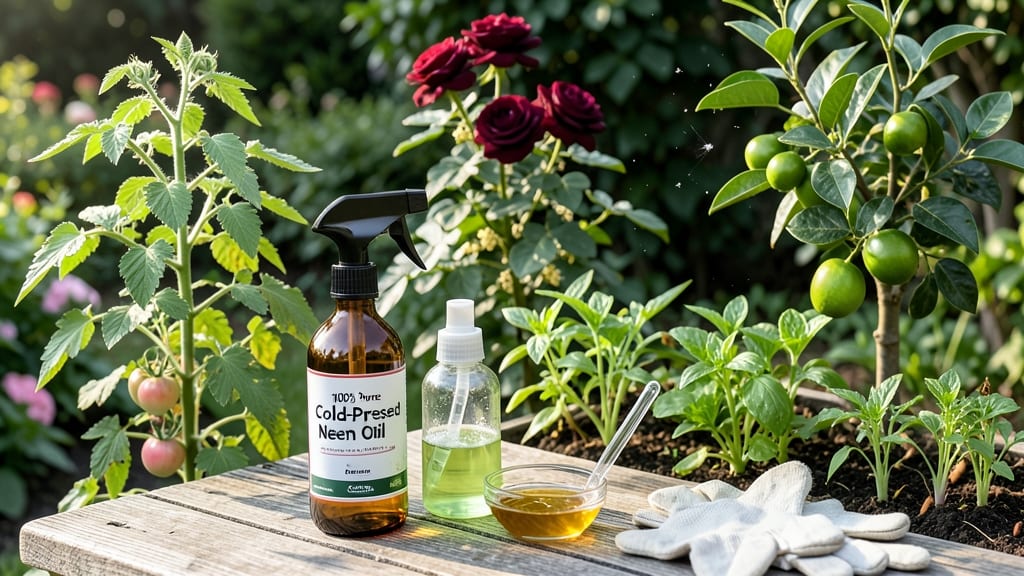
Uses for neem oil in the garden include acting as a powerful natural pesticide, fungicide, and soil enhancer that targets aphids, whiteflies, and fungal infections while boosting soil health and microbial balance. Its unique compounds deliver a multi-purpose solution for organic gardeners.
Neem oil's secret weapon is azadirachtin, a compound that disrupts insect feeding and reproduction while also preventing fungal spores from germinating. 🌱 This makes it effective against over 600 pest species and diseases like powdery mildew or black spot.
Unlike synthetic chemicals, neem oil breaks down quickly in sunlight, making it safer for beneficial insects when used correctly.
For best results, I recommend using it as both a foliar spray (mixed with water and a drop of dish soap) and a soil drench (diluted with water).
Apply in early morning or late afternoon to avoid sunburning plants, and always test on a small area first—some sensitive plants may react. The key is consistency: reapply every 7-14 days during active pest seasons for maximum protection.
💡 In This Article
- How Neem Oil Works Against Garden Pests and Diseases
- DIY Neem Oil Sprays and Soil Applications for Optimal Garden Use
How neem oil works against garden pests and diseases
The power of neem oil lies in its complex chemistry, particularly azadirachtin, a limonoid compound that acts like a natural insect growth regulator. This compound interferes with insects' hormonal systems, preventing them from molting properly and disrupting their reproductive cycles.
For example, when applied to aphids, azadirachtin reduces their feeding by up to 80% within 24 hours, while also shortening their lifespan by 30-50%. 🔥 Unlike conventional pesticides that kill pests outright, neem oil makes their environment uninhabitable over time.
Neem oil also contains nimbin and salannin, which work together to create a protective film on plant surfaces that repels insects and blocks their access to nutrients. This film is particularly effective against soft-bodied pests like whiteflies and spider mites, which can't penetrate it.
The oil's 10-20% fatty acid content (including oleic and stearic acids) further enhances its fungicidal properties by disrupting fungal cell membranes, making it effective against diseases like powdery mildew and black spot.
What makes neem oil unique is its broad-spectrum yet selective action. While it targets harmful pests and pathogens, it's generally safe for beneficial insects like bees and ladybugs when used correctly. The key is timing—applications should occur when bees aren't actively foraging (early morning or late evening).
The oil's volatility means it breaks down in sunlight within 24-48 hours, reducing environmental persistence compared to synthetic chemicals.
For fungal diseases, neem oil works by inhibiting spore germination and mycelial growth. Studies show it can reduce powdery mildew infections by 70-90% when applied preventatively. The oil's bitter taste also acts as a deterrent, making plants less appealing to pests.
However, this bitterness means you'll need to rinse fruits and vegetables thoroughly before consumption if you've applied neem oil within 7-14 days of harvest.
The fungicidal action comes from neem oil's ability to penetrate fungal cell walls, causing leakage of cellular contents. This is particularly effective against Botrytis cinerea (gray mold) and Alternaria solani (early blight).
When used as a soil drench, it also helps suppress harmful soil microbes while promoting beneficial fungi like Trichoderma, which outcompetes pathogens for nutrients.
One fascinating aspect is neem oil's systemic-like behavior. While not truly systemic (it doesn't move through plant tissues like some synthetic fungicides), it can be taken up by plant roots when applied to soil, providing some internal protection.
This makes it particularly valuable for preventing diseases before they establish themselves in your garden. 🌱