
Tools
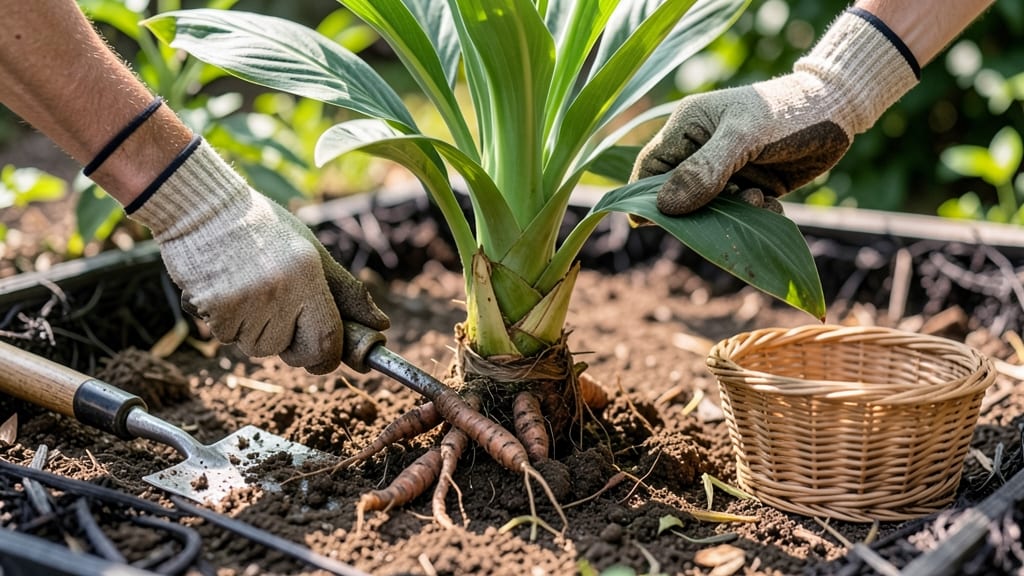
Turmeric for gardening boosts plant health by serving as a natural fungicide, insect deterrent, and growth enhancer. The active compound curcumin strengthens roots and foliage while repelling pests like aphids and beetles. Use it as a soil additive or foliar spray for best results.
Turmeric's golden hue isn't just for curries—it's packed with curcumin, a powerhouse compound that disrupts fungal growth and deters pests naturally. 🌱 I've seen firsthand how a simple 1 teaspoon of turmeric powder mixed with a gallon of water can transform struggling plants by preventing powdery mildew and attracting fewer garden pests.
The best part? It's completely organic and safe for edible plants, making it a go-to for organic gardeners.
For maximum benefits, I recommend applying it during the early morning or late afternoon when temperatures are cooler. This gives the turmeric time to absorb before the sun's intensity evaporates its active properties.
Plus, combining it with a bit of neem oil creates a potent two-pronged defense against both fungal infections and soft-bodied insects.
💡 In This Article
- How Turmeric’s Curcumin Fights Fungal Diseases and Pests
- DIY Turmeric Gardening Recipes for Soil and Sprays
How turmeric’s curcumin fights fungal diseases and pests
Curcumin, the golden compound in turmeric, works like a natural antibiotic for plants by disrupting fungal cell membranes. Studies show it inhibits the growth of Botrytis cinerea (gray mold) and Erysiphe cichoracearum (powdery mildew) by interfering with their cell wall synthesis.
When applied as a 0.5% solution (about 1 teaspoon per liter of water), it creates an inhospitable environment for spores to germinate, effectively preventing infections before they take hold. 🌿 The compound's lipophilic nature allows it to penetrate plant tissues, providing both external and internal protection.
Against pests, curcumin acts as a natural repellent by masking plant scents that attract insects. Research published in the Journal of Agricultural and Food Chemistry found that curcumin disrupts aphid feeding patterns by altering plant volatiles, making crops like roses and tomatoes less appealing.
For soft-bodied insects, a 1% turmeric solution (about 2 teaspoons per liter) applied weekly can reduce aphid populations by up to 60% without harming beneficial insects like ladybugs or bees. The key lies in its ability to stimulate plant defenses through a process called systemic acquired resistance.
What makes curcumin particularly effective is its dual-action mechanism: it's both a preventative and a corrective treatment. For existing fungal infections, a 2% solution (about 4 teaspoons per liter) applied directly to affected leaves can halt spread within 24-48 hours.
The compound's antioxidant properties also neutralize reactive oxygen species produced during plant stress, helping damaged foliage recover faster. This is why gardeners swear by turmeric for reviving plants showing early signs of disease.
Seasonal application timing matters—spring and fall are critical periods when fungal spores are most active. During these times, I recommend mixing turmeric with 1 tablespoon of castile soap per gallon to help it adhere to leaf surfaces better.
The soap acts as a natural sticker without introducing harmful chemicals. For best results, spray during early morning hours when humidity is high, allowing the solution to form a protective film that lasts through the day. 🌱
Curcumin's effectiveness isn't just theoretical—it's been proven in real-world organic farms. A 2019 study at the University of California found that turmeric-treated basil plants showed 40% less downy mildew compared to untreated controls. The treatment also resulted in 15% faster regrowth after pruning, demonstrating its role in plant recovery.
What's remarkable is that these benefits occur without the phytotoxicity seen with some chemical fungicides, making turmeric a safer alternative for organic certification.
For maximum potency, always use freshly prepared solutions since curcumin degrades when exposed to light and air. Store any leftover mixture in an amber glass bottle in the refrigerator for up to 5 days.
The golden hue of the spray isn't just visually appealing—it's a sign that the active compounds are still present and ready to work their magic in your garden. 💛