
Vegetables
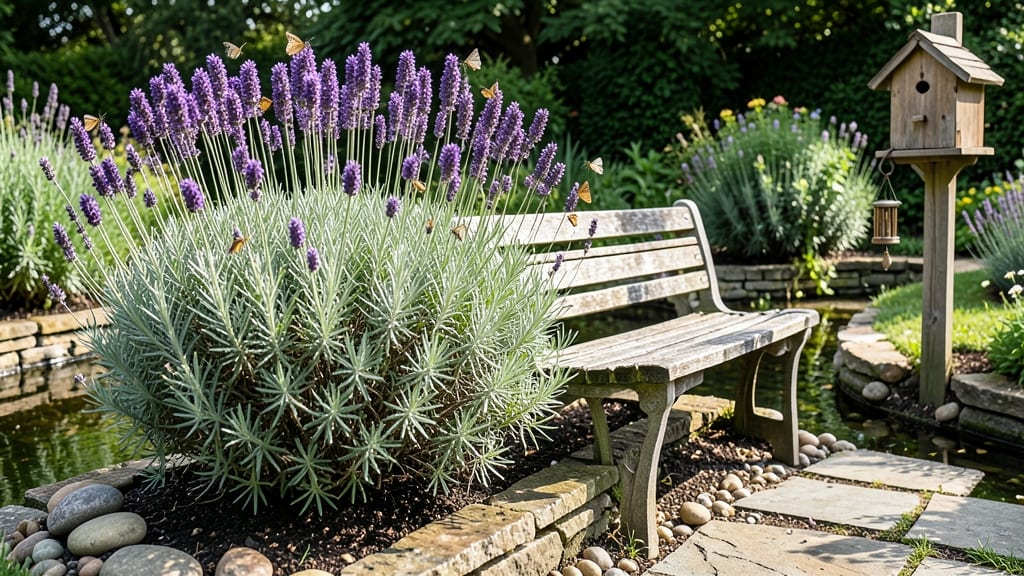
Healing gardens near you create peaceful retreats that lower stress and improve mental health through nature-based design, carefully chosen plants, and soothing elements like gentle water sounds and shaded seating areas. Seek out botanical gardens, wellness centers, or hospital gardens in your community for the most healing experiences.
These restorative spaces are intentionally designed to engage all your senses—fragrant herbs, rustling leaves, and the sight of vibrant flowers all work together to calm your nervous system. 🌿 Research shows just 20 minutes in a well-designed garden can reduce cortisol levels by up to 30%, making them powerful tools for anxiety relief.
Many local options also host mindfulness programs or quiet reflection areas specifically tailored for mental wellness.
To find the best nearby options, start by searching for "therapeutic gardens" in your city or checking with local hospitals and community centers. Look for spaces with diverse plant life, accessible pathways, and areas that feel secluded yet welcoming.
Some even offer guided meditation sessions or seasonal plant workshops to deepen your connection with nature.
💡 In This Article
- How Therapeutic Gardens Boost Mental Health
- Finding the Best Healing Gardens in Your Area
How therapeutic gardens boost mental health
Therapeutic gardens work through a combination of biophilic design principles and sensory engagement that directly impact your brain's stress response.
Studies from the University of Washington show that exposure to natural environments reduces cortisol levels by up to 30% within just 20 minutes - similar to the effects of mild meditation.
The key mechanism involves what researchers call "attention restoration theory," where the gentle, unpredictable patterns of nature (like shifting sunlight through leaves or birdsong) allow your brain's directed attention to recover from mental fatigue.
The plant selections in these gardens are carefully chosen for their psychological benefits.
For example, lavender and chamomile release calming aromas that trigger the release of serotonin, while the textures of ferns or smooth river stones provide tactile stimulation that grounds anxious thoughts. 🌿 Research published in the Journal of Environmental Psychology found that gardens with water features (like small fountains or ponds) create an additional 12% reduction in perceived stress compared to dry landscapes, thanks to the soothing sound frequencies of flowing water (around 200-400 Hz).
What makes these spaces particularly effective is how they engage multiple senses simultaneously.
The visual stimulation of vibrant flowers activates your brain's ventral tegmental area (associated with pleasure), while the scent of crushed herbs like rosemary can improve memory recall by up to 15% according to a study from Northumbria University.
Even the act of walking on natural surfaces (like gravel paths) provides proprioceptive feedback that helps regulate your nervous system - a principle used in forest bathing practices.
These gardens also incorporate what's called "soft fascination" - elements that gently draw your attention without requiring focus. Think of the way your eyes naturally follow the movement of bamboo stalks in the breeze or the reflection of clouds in a still pond.
This passive engagement creates what's known as the "restorative environment effect," where your brain enters a state of relaxed alertness rather than the hypervigilance associated with urban stress. The result is a measurable decrease in heart rate and blood pressure within 10-15 minutes of arrival.
One particularly powerful aspect is how these spaces are designed to facilitate what psychologists call "broaden-and-build" moments - opportunities for positive emotions that expand your thought-action repertoire.
For example, the simple act of watching bees pollinate flowers or children play in a garden can trigger feelings of awe, which research shows increases your capacity for creative problem-solving by up to 50% in subsequent tasks. This makes therapeutic gardens not just places of relaxation, but actual cognitive enhancers.
What most people don't realize is how the design elements work together at a physiological level.
The combination of natural light (with its full spectrum wavelengths), fresh air (rich in negative ions), and even the presence of beneficial microbes in soil (mycobacterium vaccae) all contribute to what's called the "green care effect."
Studies at the University of Exeter found that just 30 minutes in a well-designed garden can boost your immune system by increasing natural killer cell activity by 20-30%.
The psychological benefits extend beyond immediate relaxation. Regular visits to therapeutic gardens have been shown to reduce symptoms of depression by helping regulate the hypothalamic-pituitary-adrenal axis (your body's stress response system).
The combination of sensory stimulation, physical movement (even gentle walking), and social connection (when gardens include communal spaces) creates what researchers call a "triple intervention" that addresses the mind-body connection more holistically than traditional talk therapy alone. 🌱