
Tools
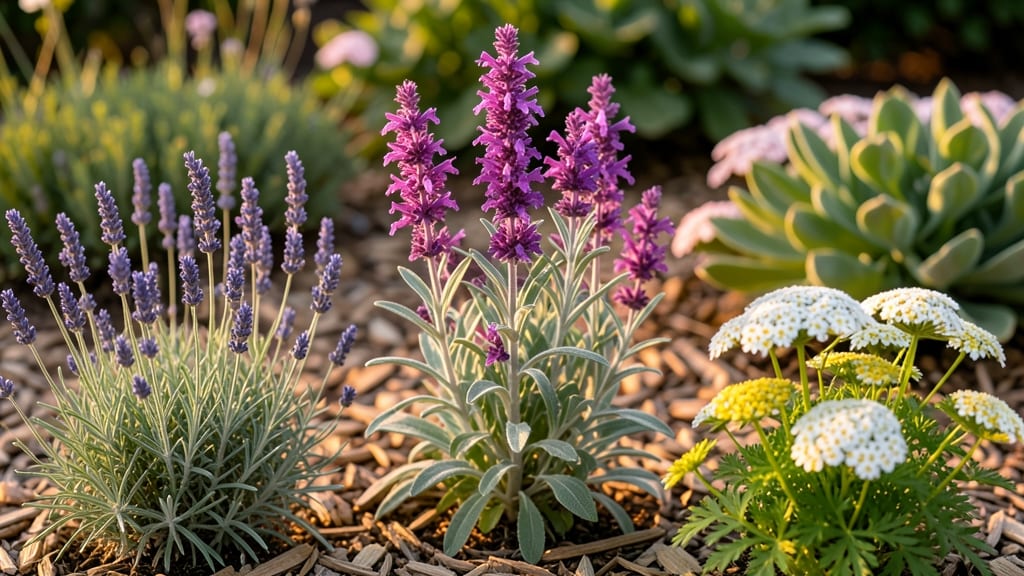
Sunset garden zones offer precise planting recommendations by analyzing local climate factors like microclimates, elevation shifts, and coastal effects—not just temperature—unlike the broader USDA zone system, giving gardeners in areas like California or Oregon tailored plant suggestions for better success.
These zones go beyond simple temperature ranges to account for real-world growing conditions.
For example, a coastal area in Sunset Zone 7 might handle different plants than an inland spot with the same USDA zone number. 🌿 The system divides the Western U.S. into 40 distinct regions, each with specific soil, water availability, and sunlight patterns that traditional zones overlook.
Whether you're in the foggy Pacific Northwest or the arid Southwest, Sunset's approach helps you pick plants that thrive in your exact conditions.
To use them, start by finding your Sunset zone number through their interactive map—this tells you which plants are best suited for your specific microclimate. Many nurseries now label plants with Sunset zone compatibility, making it easier than ever to choose winners for your garden.
The payoff? Healthier plants, less trial-and-error, and gardens that actually flourish year after year.
💡 In This Article
- How Sunset Garden Zones Differ from USDA Zones
- Choosing Plants for Your Sunset Garden Zone
How Sunset garden zones differ from USDA zones
Sunset garden zones were designed to address a critical flaw in the USDA system: temperature alone doesn't determine plant success. While USDA zones rely primarily on average annual minimum temperatures, Sunset zones incorporate 14 key climate factors, including precipitation patterns, wind exposure, and even fog frequency.
For example, a coastal area in Sunset Zone 14 (like San Francisco) experiences 50% more fog days than inland areas just 20 miles away—yet both might share the same USDA zone. This fog can reduce sunlight by 30-40%, drastically altering what plants will thrive.
The system also accounts for elevation shifts that can create microclimates within just a few blocks. In the Sierra Nevada foothills, a 500-foot elevation gain might shift temperatures by 3-5°F and change soil drainage patterns.
Sunset zones map these variations, explaining why a plant that succeeds at 2,000 feet elevation in Zone 9 might fail just 1,000 feet lower where summer heat intensifies. The data comes from 30+ years of regional climate studies, including partnerships with agricultural universities across the Western U.S. 🌡️
Coastal influences are another game-changer. Ocean breezes can lower summer temperatures by 10-15°F compared to inland areas, while salt spray affects soil chemistry.
Sunset Zone 14, for instance, includes coastal California where drought-tolerant lavender thrives alongside coastal sage, while the same plants would struggle in inland Zone 7 due to different moisture levels.
The system even distinguishes between northern coastal (cooler, wetter) and southern coastal (warmer, drier) sub-zones, something USDA zones completely overlook.
What makes Sunset zones particularly powerful is their focus on plant performance data rather than theoretical models. The system was developed by testing thousands of plants across real gardens, not just climate records.
This means when you see a recommendation for manzanita in Zone 7 or coyote brush in Zone 14, you can trust it's been proven to succeed in those exact conditions—not just projected to work based on temperature alone.
The result? Gardeners in Sunset Zone 24 (Pacific Northwest) can confidently plant Oregon grape, while those in Zone 3 (desert Southwest) know to choose agave varieties that handle extreme heat.
For urban gardeners, the differences become even more critical. A rooftop garden in Sunset Zone 14B (San Francisco) might experience 20% less sunlight than one just 5 miles inland due to building shadows, yet both areas share the same USDA zone.
Sunset's system helps identify these nuances by categorizing urban microclimates separately from rural ones.
The precision extends to water availability too—Zone 7B (Central Coast) receives 25-30 inches of rain annually, while nearby Zone 7A (Inland Valleys) gets only 10-15 inches, requiring completely different irrigation strategies for the same plants.
One often-overlooked advantage is how Sunset zones simplify plant selection by grouping compatible species. For example, California native plants like toyons and coyote mint are naturally suited for Zones 7-24, while Mediterranean herbs thrive in Zones 1-9.
This alignment with regional ecosystems means less guesswork when choosing plants that will actually establish in your soil and climate, rather than just survive. The system's emphasis on native and adapted species also reduces water needs by 30-50% compared to non-native plants struggling to adapt.