
Landscaping
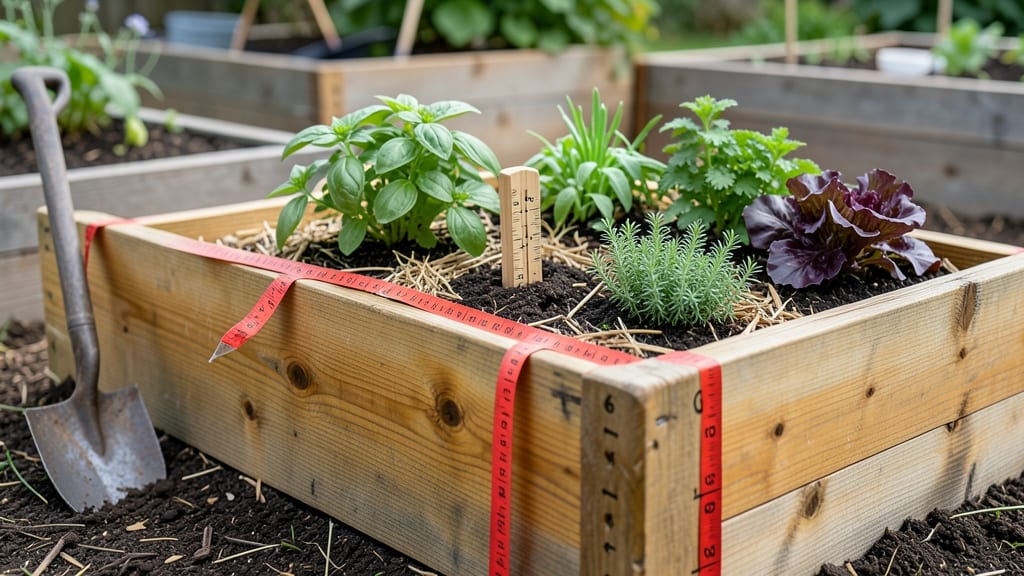
The right raised garden bed height can transform your garden from a struggle to a thriving space 🌱—but get it wrong, and you’re stuck with drainage issues or plants that never reach their full potential.
If you’ve ever watched your carrots twist or your tomatoes fight for space, you know how much the height of your bed matters. Too shallow, and roots get cramped; too tall, and you’re digging yourself into maintenance headaches.
From 6-inch starter beds for herbs to 18-inch accessibility-friendly designs, the perfect height depends on your plants, your body, and even your soil.
Below, I’ll break down the science behind root depth, drainage tricks, and how to pick a height that works for you—whether you’re kneeling or rolling in a wheelchair.
You’ll leave here knowing exactly how tall your bed should be for maximum growth, easier access, and a garden that finally feels like it’s working with you, not against you.

Optimal raised garden bed height for root depth & plant growth
The height of your raised garden bed directly impacts root development and plant health. Most gardeners choose between 6–12 inches for standard crops and 12–18 inches for deeper-rooted varieties.
The key is matching your bed's depth to the soil needs of your plants, ensuring they have enough space to thrive without wasting resources on excess height.
For example, shallow-rooted herbs like basil or thyme only need 6–8 inches of soil, while deep-rooted vegetables like carrots or potatoes require 12–18 inches to grow properly. If you plant carrots in a 6-inch bed, their roots will become stunted, leading to small, misshapen harvests.
Understanding these requirements helps you design a bed that works for your garden goals.
Here’s how different heights affect your garden’s performance:
A 6–12 inch bed is perfect for shallow-rooted plants like lettuce, spinach, or herbs. These crops don’t need much depth, and a shorter bed makes it easier to reach in without straining your back.
However, if you’re growing root vegetables, you’ll need at least 12 inches of soil to accommodate their growth. For instance, carrots can grow up to 12–16 inches long, so planting them in a shallow bed will crowd their roots and limit harvest size.
For tomatoes and peppers, a 12–18 inch bed provides the ideal balance. These plants develop strong root systems and benefit from deeper soil, which retains moisture and nutrients better. The extra height also improves drainage, reducing the risk of root rot in heavy clay soils.
If your garden has poor drainage, a taller bed can be a game-changer, preventing water from pooling at the roots.
If you’re designing for accessibility, consider a 18–24 inch height. This makes gardening easier for people with mobility issues, as it brings the planting level closer to knee or waist height.
It’s also a great option if you’re growing deep-rooted perennials like asparagus or rhubarb, which need years to establish their root systems. The extra depth ensures they won’t outgrow their space.
One common mistake is assuming that taller always means better. While deeper beds offer more growing space, they also require more soil amendments like compost or sand to prevent compaction.
If you fill a 24-inch bed with dense, unamended soil, the roots will struggle to penetrate, defeating the purpose. Always mix in organic matter to keep the soil loose and fertile.
For flowers and ornamental plants, height matters less than for vegetables, but it still plays a role. Bulbs like tulips or daffodils only need 6–8 inches of soil, while perennials like daylilies thrive in 12–18 inches.
If you’re growing a mix of plants, consider dividing your raised beds by height to optimize each section. For example, dedicate one side of a 12-inch bed to herbs and the other to shallow-rooted veggies.
Pro tip: If you’re unsure about your bed’s height, start with a 12-inch depth—it’s versatile enough for most vegetables and herbs while being manageable for maintenance. You can always add soil top-ups later if your plants outgrow the space.
And remember, drainage holes are non-negotiable, regardless of height, to keep roots healthy and prevent waterlogging.
🌱
How raised garden bed height affects drainage & accessibility
Choosing the right raised garden bed height is about more than just aesthetics—it directly impacts how water drains and how easily you can tend to your plants.
A bed that's too shallow may leave roots waterlogged, while one that's too tall can create accessibility challenges for smaller gardeners or those with mobility issues. Let's break down how height influences these two critical factors.
Taller beds (12+ inches) excel at preventing poor drainage because they allow water to flow more freely through the soil profile. This is especially helpful in areas with compacted or clay-heavy soil, where water can pool and suffocate roots.
However, taller beds also require deeper soil amendments, like compost or sand, to ensure roots have enough space to grow downward.
Raised Garden Bed Height Comparison
Pros:
- Easier access for children/seniors
- Lower material costs
- Warms up faster in spring
Cons:
- Limited root depth for deep-rooted plants
- Poorer drainage in heavy rain
- Harder to add soil amendments
Pros:
- Better drainage control
- Supports root vegetables (carrots, potatoes)
- Reduces weed pressure
Cons:
- Harder to reach for smaller gardeners
- Requires more soil/sand
- May need sturdier materials
Best for: 6-12" = herbs/leafy greens | 12-18" = root crops/accessibility
For poor drainage in compacted soils, I recommend adding a 2-3 inch layer of coarse sand or perlite at the bottom of taller beds. This creates a drainage layer while still allowing roots to penetrate deeper.
If your bed is already built, you can improve drainage by mixing in organic matter like composted leaves or coconut coir to loosen the soil structure.
Shorter beds (6-12 inches) are ideal for shallow-rooted plants like lettuce, strawberries, or herbs, and they make gardening more accessible. However, they can become a waterlogged nightmare in rainy climates.
To mitigate this, I add a French drain (a perforated pipe wrapped in landscape fabric) at the bottom of the bed before filling it with soil.
If you're designing for accessibility, consider building a bed with adjustable heights—some gardeners use removable side panels to lower the bed temporarily. For wheelchair users, a waist-height bed (24-30 inches) with a bench or seat built into the frame can make tending plants much easier without sacrificing drainage.
Remember, the best height depends on your specific plants and physical needs. Start with a 12-inch bed for versatility, then adjust based on what you're growing and who will be gardening in it. A little planning now can save you from root-bound plants or sore backs later!