
Landscaping
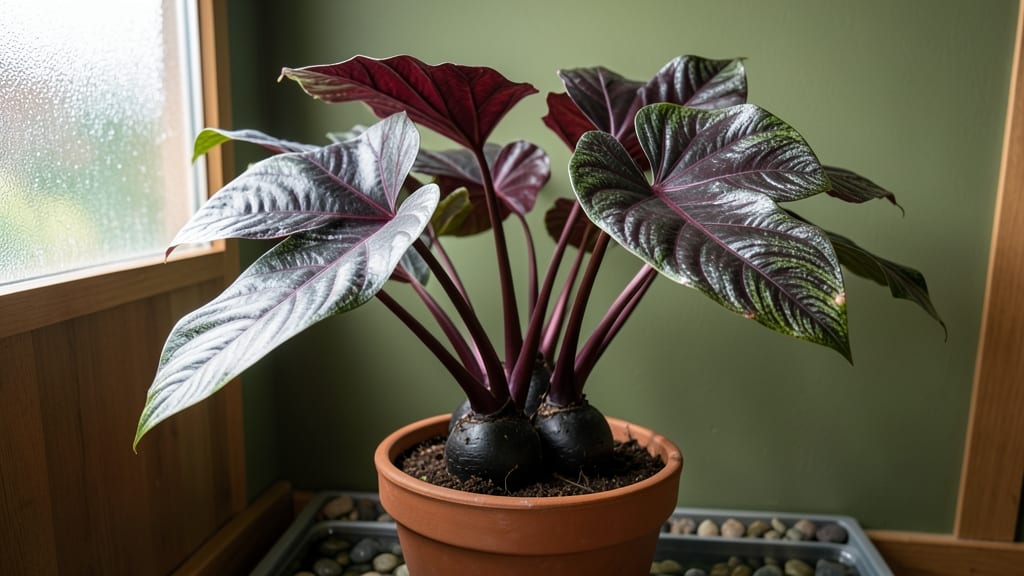
Creating bold alocasia garden ideas can instantly transform any outdoor space into a lush, tropical escape—especially when you play with height, texture, and striking foliage.
Picture this: towering Alocasia 🌿 leaves framing a shaded patio, their deep veins contrasting with delicate ferns or vibrant flowering plants. The secret? Strategic placement in General (Tropical/Subtropical) zones or containers for year-round drama, even in cooler climates.
Whether you’re working with a small balcony or a sprawling backyard, alocasia thrives in bright, indirect light and pairs beautifully with other shade-loving plants. Below, I’ll show you how to layer these statement plants for maximum impact—no green thumb required.
From container arrangements to full garden layouts, you’ll discover low-maintenance designs that keep your space looking fresh without the fuss. Ready to make your garden the talk of the neighborhood?
Creative alocasia planting layouts for maximum visual impact
Alocasia plants bring dramatic tropical flair to any garden with their bold, elephant-ear foliage. To create a showstopping display, focus on height variation, texture contrast, and strategic placement—whether in containers or garden beds.
Start by selecting 3-5 plants of varying sizes to build layered interest. For example, pair a **tall Alocasia 'Frydek'* (5-6 ft) with smaller **Alocasia 'Polly'* (2-3 ft) to create a natural waterfall effect in shaded corners.
Use alocasia as a focal point in moisture-loving gardens or woodland settings. Their glossy leaves reflect light beautifully, making them perfect for understory planting near hostas or ferns. In urban courtyards, group alocasia in large ceramic pots with moss or ivy to soften their bold presence.
For small spaces, opt for dwarf varieties** like Alocasia 'Mini Copper' and place them on elevated shelves or hanging planters to maximize vertical impact.
Here’s how three key layouts compare for visual impact, maintenance, and adaptability to your space:
For maximum contrast, pair alocasia with silver or variegated foliage like Ctenanthe or Aglaonema. Their velvety textures complement alocasia’s glossy leaves, creating a luxurious, jungle-like vibe.
In container gardens, mix different leaf shapes—like the **heart-shaped Alocasia 'Zebrina'* with the **oval leaves of a Philodendron—to add dynamic movement. Always place taller varieties at the back of beds or center of containers to avoid blocking light.
In humid climates, alocasia thrives outdoors year-round, but in cooler zones, bring potted plants indoors during winter. Use grow lights to maintain their vibrant color and prevent leaf drop.
Group 3-5 plants together to create a microclimate that retains moisture and humidity, reducing care demands. For urban gardens, consider self-watering planters to keep soil consistently damp without overwatering.
Experiment with unexpected pairings like alocasia + succulents in bright, indirect light for a modern contrast. While alocasia loves moisture, drought-tolerant succulents (like Sedum) can thrive in the same space if planted in separate containers.
This creates a striking juxtaposition of textures and care routines. Just ensure succulents get morning sun while alocasia stays in filtered light.
To enhance vertical interest, train climbing plants like Philodendron hederaceum to grow alongside alocasia stems. Use trellises or obelisks to guide vines upward, creating a living tapestry of foliage. This works especially well in small courtyards where space is limited.
For ground cover, add moss or sweet potato vine at the base to soften the dramatic leaves and extend the tropical theme.
Don’t overlook seasonal changes—alocasia’s new growth in spring is especially vibrant, making it perfect for early-season planting. In fall, pair it with orange or red foliage (like Coleus*) to extend the autumn color palette.
Even in winter, alocasia’s evergreen leaves provide structure when other plants fade. For indoor spaces, place alocasia near humidifiers or on pebble trays to mimic their natural tropical environment.
Pro tip: Use aluminum or woven baskets to elevate containers and add organic texture. These materials blend seamlessly with alocasia’s natural aesthetic while keeping roots cool and moist.
Avoid plastic pots in direct sun, as they can overheat roots and cause leaf scorch. Instead, opt for terracotta or ceramic for better temperature regulation.
With these creative layouts, your alocasia will command attention while blending effortlessly into any garden style—from jungle-inspired retreats to minimalist modern spaces. Start small, experiment with textures and heights, and let your alocasia’s bold personality shine! 🌿🪴
Best alocasia varieties for different garden styles and climates
If you're dreaming of a lush, tropical garden but worry about light conditions or space constraints, alocasia varieties have you covered. These stunning plants thrive in shade gardens, containers, and even indoor spaces, making them perfect for diverse climates.
The key is matching the right variety to your garden's unique needs—whether you're in a humid jungle-like setting or a cooler, drier microclimate. Let’s explore the best alocasia types for your space and how to keep them thriving.
For shady spots, Alocasia zebrina steals the show with its striking purple stems and glossy leaves. This variety loves low-light conditions and is ideal for woodland gardens or understory plantings. Meanwhile, Alocasia polly is the container queen, perfect for patios and balconies where space is limited.
Both are hardy in USDA Zones 10-12, but with the right care, you can even overwinter them indoors in cooler climates.
| Variety | Size | Light Needs | Climate Suitability | Care Tips |
|---|---|---|---|---|
| Alocasia zebrina | 3-4 ft tall | Low to medium light | Zones 10-12; thrives in shade | Keep soil moist; mulch roots |
| Alocasia polly | 1-2 ft tall | Bright indirect light | Zones 10-12; great for containers | Water when topsoil dries; rotate for even growth |
| Alocasia 'Dragon Scale' | 4-5 ft tall | Medium to high light | Zones 10-12; bold focal point | Fertilize monthly; protect from wind |
| Alocasia 'Black Magic' | 2-3 ft tall | Low light | Zones 10-12; indoor-friendly | Humidify air; avoid direct sun |
If you're in a humid subtropical climate, Alocasia 'Dragon Scale' is a showstopper with its scaly, deep green leaves and striking purple undersides. This variety loves bright indirect light and makes a dramatic focal point in garden beds or large containers.
For indoor gardeners, Alocasia 'Black Magic' is a game-changer—its deep maroon-black foliage thrives in low-light offices or bathrooms with natural light.
Pro tip: In cooler climates, group alocasia with hostas or ferns to create a microclimate that retains moisture. Use mulch to insulate roots and extend the growing season.
For container gardening, choose Alocasia polly or Alocasia 'Mini Alocasia', which stay compact and are perfect for balconies or windowsills. Just ensure your pots have drainage holes to prevent root rot.
Remember, alocasia plants are not frost-tolerant, so if you're in Zone 9 or cooler, treat them as seasonal or container plants. Bring them indoors before temperatures drop below 50°F (10°C), and reduce watering in winter to mimic their natural dormancy.
With the right variety and care, your alocasia will reward you with year-round tropical beauty, no matter your garden’s style or climate.
Ready to transform your space? Start with one variety that fits your garden’s personality—whether it’s the bold drama of 'Dragon Scale' or the easy-care charm of 'Polly'. Your tropical oasis awaits! 🌿