
Tools
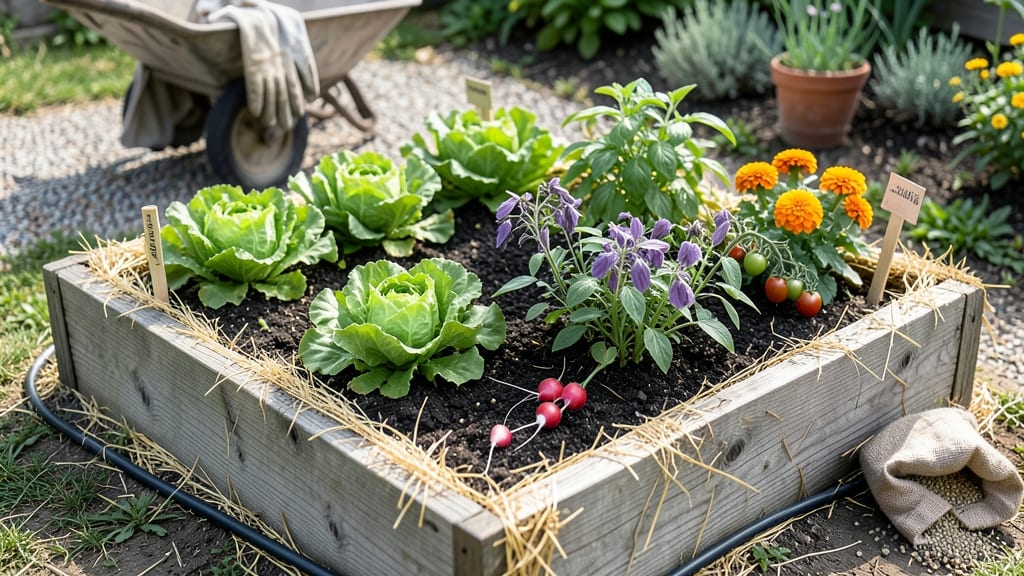
Outdoor raised garden bed ideas can turn even the smallest yard into a lush, productive space 🌱—no matter how tight the layout.
Picture this: a 6-foot-long bed tucked into a corner, a vertical stack of planters climbing a fence, or a window-box-style bed overflowing with herbs. These aren’t just ideas; they’re game-changers for urban gardeners and those with limited square footage.
You don’t need a sprawling backyard to grow a bounty. The right design—whether it’s tiered beds, corner huggers, or multi-level setups—lets you maximize every inch while keeping maintenance simple. Plus, raised beds give you control over soil quality, drainage, and accessibility, so even beginners can thrive.
In this guide, I’ll walk you through space-saving layouts, material choices, and the best crops for small beds, so you can start planting with confidence—no matter how compact your space.
10 Space-saving raised garden bed layouts for small yards
Small spaces don’t mean small gardens! With creative raised bed designs, you can transform even the tiniest urban patio or narrow yard into a productive oasis.
The key lies in vertical growth and corner optimization—think tiered stacks, L-shaped huggers, and window-mounted planters that turn dead zones into green gold mines. These layouts maximize every inch while keeping maintenance simple.
Whether you have a balcony nook, a sunny corner, or just a few feet of fence space, there’s a raised bed design that fits.
I’ve tested these layouts in my own city garden, and they’ve proven to double (or even triple!) my growing space without sacrificing accessibility or aesthetics. Let’s explore the top 10 configurations that work beautifully in limited areas.
My favorite space-saving hack is the tiered stack design, which turns a 3' x 3' footprint into a vertical garden with four planting levels. I use it for herbs and lettuce that thrive in shallow soil. The top tier gets the most sun, while the bottom stays cooler—perfect for moisture-loving plants like basil. For urban balconies, I’ve even stacked two
How to choose the right materials for durability and aesthetics
When building outdoor raised garden beds, the materials you choose can make or break your project. I’ve tested cedar, redwood, composite lumber, and recycled plastic—each brings unique benefits to durability, cost, and visual appeal.
Let’s break down the pros and cons to help you pick the perfect fit for your space, whether it’s a cozy balcony or a sprawling backyard.
First, consider longevity. Cedar and redwood naturally resist rot and insects, lasting 10-15 years with minimal maintenance. Composite lumber and recycled plastic, on the other hand, won’t warp or splinter, offering 20+ years of use if installed correctly.
However, they come with trade-offs in cost and aesthetics that might influence your decision.
Next, think about cost and maintenance. Cedar and redwood are pricier upfront but require less upkeep over time. Composite lumber and recycled plastic are budget-friendly initially but may need occasional sealing or cleaning to keep them looking fresh.
For example, I’ve seen recycled plastic beds fade over time if exposed to harsh sunlight.
Material Comparison for Raised Garden Beds
Cedar
- Pros: Natural rot resistance, beautiful grain, eco-friendly
- Cons: Higher cost, requires staining/sealing
Redwood
- Pros: Long-lasting, naturally resistant to decay, attractive appearance
- Cons: Expensive, limited availability in some regions
Composite Lumber
- Pros: Won’t rot or splinter, low maintenance, modern look
- Cons: Higher upfront cost, can get hot in sun
Recycled Plastic
- Pros: Affordable, lightweight, no maintenance
- Cons: Less attractive, can fade over time
If you’re blending your raised beds into a small space, like a balcony or patio, aesthetics matter just as much as durability. Cedar and redwood offer a warm, natural look that complements outdoor decor beautifully.
Composite lumber provides a sleek, modern appearance that pairs well with contemporary designs. Meanwhile, recycled plastic beds are more utilitarian but can be painted or wrapped to match your style.
For small outdoor spaces, I recommend composite lumber or cedar for their balance of durability and visual appeal. If you’re on a tight budget, recycled plastic beds are a practical choice—just be prepared to update their look every few years.
Always consider how the material will age in your specific climate, as humidity and temperature can affect longevity.
Lastly, don’t overlook the importance of drainage and ventilation. No matter which material you choose, ensure your raised bed has holes in the bottom for excess water to escape.
This prevents root rot and keeps your plants healthy. For extra protection, line the bottom with landscape fabric to block weeds while allowing water to flow freely.
Whether you prioritize natural beauty, low maintenance, or budget-friendliness, there’s a material that’s perfect for your outdoor raised garden bed. Take your time to weigh the options, and you’ll create a space that’s both functional and stunning for years to come. 🌱