
Landscaping
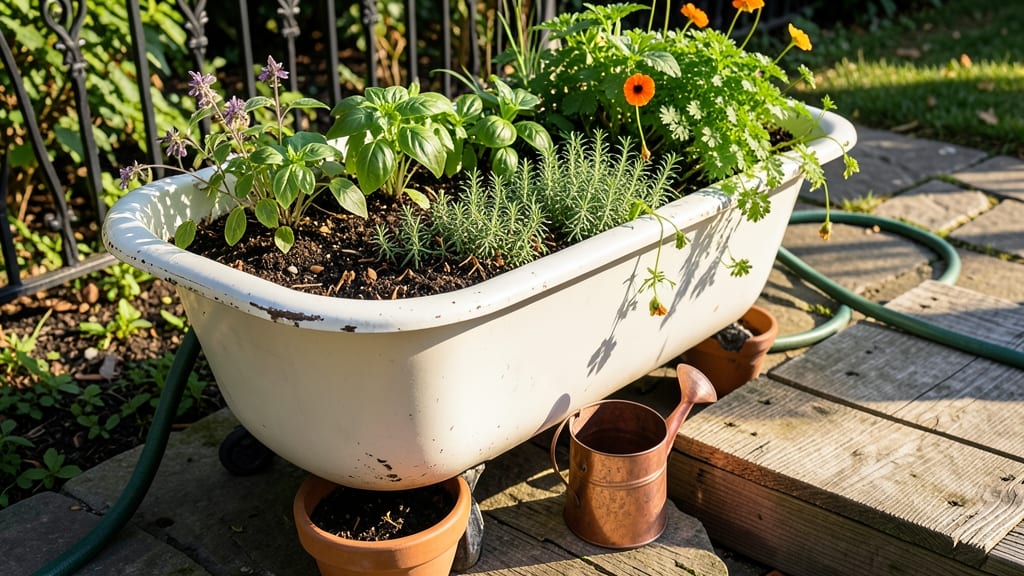
Old bathtub garden ideas transform vintage tubs into functional planters with proper drainage, perfect for growing herbs, succulents, or compact vegetables while adding rustic character to small outdoor spaces.
Upcycling old bathtubs into garden planters is a brilliant way to maximize space and add a unique, eco-friendly touch to your patio or balcony. 🌿 The key is ensuring adequate drainage—whether through drilled holes, mesh liners, or repurposed bottles—to prevent waterlogging while keeping the tub stable.
I've found that shallow-rooted plants like basil, thyme, or cherry tomatoes thrive in these planters, while succulents add a low-maintenance, drought-resistant element. Plus, the rustic aesthetic blends beautifully with outdoor decor, turning a discarded tub into a functional and stylish centerpiece.
For best results, place your bathtub garden in a spot with partial sunlight—most herbs and veggies need at least 4-6 hours of light daily, while succulents prefer bright but indirect exposure.
If you're working with a heavy tub, consider adding weights or securing it to a sturdy surface to prevent tipping. The possibilities are endless, from vertical gardens to tiered arrangements, making this a creative and practical solution for small-space gardening.
💡 In This Article
- Best Plants for Upcycled Bathtub Gardens
- DIY Drainage Solutions for Bathtub Planters
Best plants for upcycled bathtub gardens
Bathtub gardens excel with plants that match the planter's shallow depth and weight capacity. Shallow-rooted varieties like basil, thyme, or parsley thrive because their roots don't need deep soil—typically growing just 6-12 inches deep.
These herbs also prefer well-draining soil, which prevents the waterlogging that can occur in repurposed tubs without proper drainage. The tub's weight becomes a factor too; heavier plants like tomatoes or peppers may require additional support or a weighted base to prevent tipping.
Succulents and cacti are perfect for bathtub gardens because they store water in their leaves, reducing the need for frequent watering. Varieties like sedum, echeveria, or aloe vera grow well in 2-4 inches of soil and can tolerate the drier conditions that often develop in upcycled tubs.
Their compact size also means they won't outgrow the space quickly, making them ideal for long-term planters. 🌵 The textured leaves add visual interest, and their drought tolerance aligns perfectly with the limited water retention of a repurposed tub.
For those who want to grow edibles, compact vegetables like cherry tomatoes, lettuce, or radishes are excellent choices. Cherry tomatoes, for example, produce heavy fruit but have a relatively shallow root system, making them manageable in a tub.
Lettuce and radishes mature quickly, so you can enjoy harvests without overloading the planter. The key is to avoid plants with deep taproots, like carrots or parsnips, as they'll struggle in the confined space and may crack the tub's surface over time.
Consider the tub's weight distribution when selecting plants. A fully planted tub can weigh 50-100 pounds depending on soil and water content, so lighter plants like herbs and succulents help maintain stability. If you're growing heavier plants, place them toward the center of the tub to keep the weight balanced.
For added security, you can fill the bottom 2-3 inches with gravel or broken pottery pieces before adding soil—this improves drainage and provides extra weight at the base.
Light requirements vary by plant type but generally dictate placement. Herbs like basil and parsley need 4-6 hours of sunlight daily, while succulents can handle 6+ hours of bright, indirect light.
If your tub is in a shady spot, opt for shade-tolerant varieties like mint, Swiss chard, or shade-loving succulents such as haworthia. The tub's material—often porcelain or acrylic—can also affect heat retention, so monitor soil temperature during hot days to prevent root stress.
One often-overlooked factor is the tub's original finish. Enamel-coated tubs may leach chemicals into the soil, so it's wise to line them with a breathable fabric or use a dedicated planter liner. For acrylic tubs, avoid sharp tools during drainage modifications to prevent cracking.
The right plant selection, combined with proper preparation, turns a discarded tub into a thriving, low-maintenance garden that maximizes small spaces while adding rustic charm. 🌿