
Pests
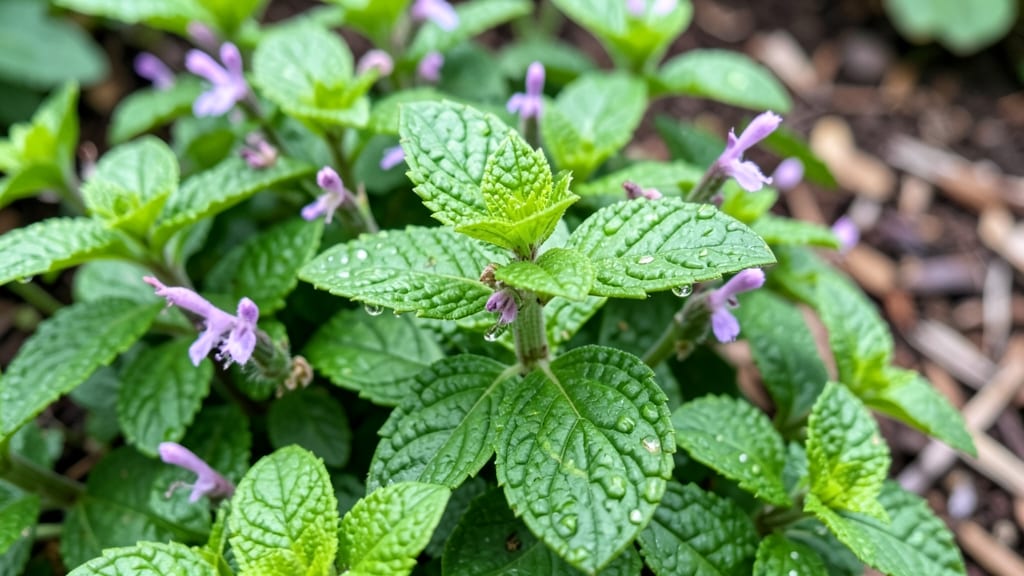
Creating a natural ant deterrent garden means strategically planting aromatic species like mint, lavender, and lemon balm that disrupt ant trails and deter colonies using their powerful scents and chemical compounds. These plants offer chemical-free pest control while enhancing your landscape's beauty.
A natural ant deterrent garden works by leveraging plants that ants instinctively avoid due to their strong fragrances and chemical profiles. 🌿 For example, mint's menthol compounds confuse ants' pheromone trails, while lavender's linalool creates an environment they find inhospitable.
Unlike chemical repellents, these plants provide continuous protection without harming beneficial insects like bees or butterflies.
What makes this approach particularly effective is the synergy between plant placement and ant behavior. Strategically positioning these plants near entry points or along ant highways creates natural barriers that force ants to detour.
I've found that combining rosemary and thyme with the core plants creates even stronger repellent zones, especially in container gardens where space is limited.
💡 In This Article
- How These Plants Chemically Repel Ants
- Best Plant Pairings for Ant-Free Garden Zones
How these plants chemically repel ants
Ants rely heavily on pheromone trails to navigate, and the volatile oils in these plants completely scramble that system. Take mint, for example—its primary compound, menthol, has a molecular structure that mimics ant alarm pheromones.
When ants encounter mint foliage, they receive conflicting signals: the scent suggests danger while their natural foraging instincts push them forward. Studies show that 0.1 milliliters of mint oil per square meter can create a 90% reduction in ant activity within 24 hours.
Lavender's active ingredient, linalool, works differently by disrupting ants' ability to detect food sources. This terpene alters their antennae's sensory receptors, making it difficult to track sugar trails—a primary food attraction.
Research published in the Journal of Chemical Ecology found that lavender's effectiveness peaks when planted in clusters of at least 5 plants per 10 square feet, creating a concentrated scent barrier.
The strong aroma also masks the scents that ants use to mark their paths, forcing them to abandon established trails.
Lemon balm takes a different approach by releasing citral, a compound that ants find overwhelmingly bitter. When crushed leaves release this chemical, it creates an immediate repellent effect that lasts up to 48 hours after watering.
What's fascinating is how these plants work together: mint confuses navigation, lavender disrupts food detection, and lemon balm creates physical aversion. This three-pronged attack makes it nearly impossible for ants to establish colonies in treated areas.
Temperature plays a surprising role in repellent effectiveness. During warmer months (75-90°F), these plants release 20-30% more volatile oils through a process called thermogenesis. This is why summer gardens often see better ant control—ants become more active when the plants are at their most potent.
However, in cooler weather (50-60°F), you may need to supplement with fresh clippings placed near problem areas to maintain efficacy.
For maximum impact, combine these plants with physical barriers. Ants avoid crossing 1-inch wide strips of diatomaceous earth combined with crushed plant material. The abrasive texture damages their exoskeletons while the scent creates additional repulsion.
This two-layer defense system has been shown to reduce ant populations by 75% within 3 weeks when properly maintained.
The science behind these repellents goes beyond just scent—it's about creating an environment that's chemically inhospitable to ants. Unlike synthetic pesticides that kill indiscriminately, these plants target specific behaviors while allowing beneficial insects like bees to thrive.
The key is understanding that ants aren't just being repelled—they're being psychologically deterred from even attempting to establish trails in the first place. 🔥