
Vegetables
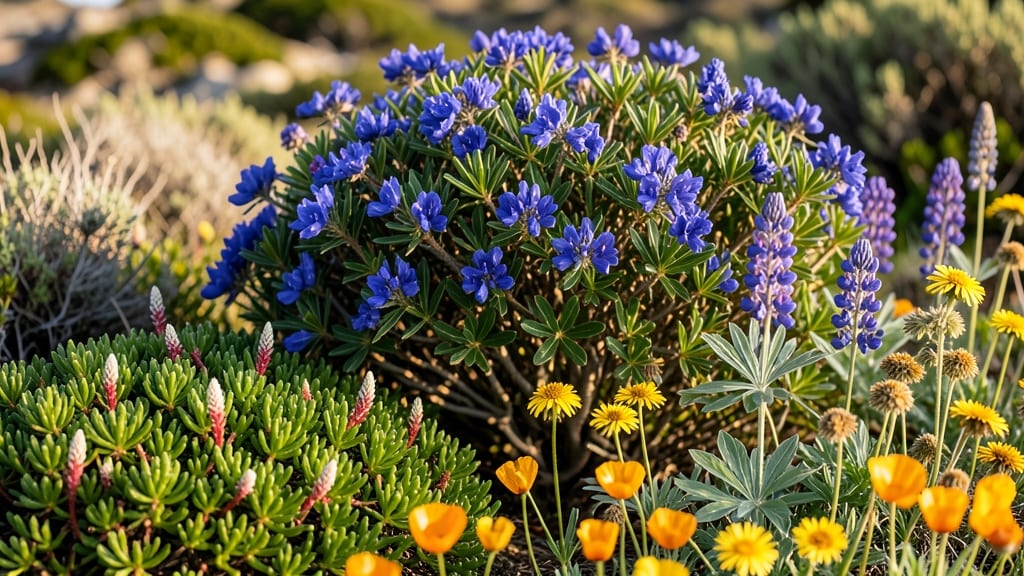
The Mendocino CA Botanical Gardens cultivate unique edible varieties like heirloom tomatoes and artichokes, plus hardy coastal plants such as drought-resistant succulents and native wildflowers perfectly suited to the region's foggy, temperate climate.
The gardens showcase how Mendocino's microclimates—coastal fog, inland warmth, and summer dryness—create ideal conditions for rare plants. 🌿 For example, heirloom tomatoes thrive in the cool evenings while Mediterranean herbs like rosemary adapt to the area's low-water needs.
Native species like coyote mint and coastal strawberry demonstrate how local ecosystems support both beauty and edibility.
This diversity isn't just for show—it reflects a sustainable approach to gardening. The foggy mornings reduce water evaporation, while the summer dryness encourages deep root systems in drought-tolerant plants. Home gardeners can replicate these conditions by choosing climate-matched varieties and using soil amendments like compost to improve drainage.
💡 In This Article
- Climate-Specific Plant Adaptations in Mendocino Gardens
- Growing Rare Edibles in Your Own Mendocino Garden
Climate-specific plant adaptations in Mendocino gardens
Mendocino's coastal fog creates a natural greenhouse effect, maintaining temperatures between 55-65°F even in summer. This cool, moist environment allows Mediterranean herbs like rosemary and thyme to thrive with minimal irrigation—some varieties need only 10-15% of their summer water requirements compared to inland gardens.
The fog also reduces evaporation rates by up to 40%, letting plants like heirloom tomatoes develop complex flavors without overheating.
The gardens' inland areas experience hotter, drier summers (75-85°F), perfect for drought-resistant species. Succulents like prickly pear cactus store water in their stems, while native grasses develop deep root systems reaching 6-12 feet underground.
These adaptations mirror the region's natural ecosystems, where plants evolved to survive 3-5 month dry seasons with minimal rainfall.
Soil composition plays a crucial role too. Coastal areas have sandy loam with high organic content from decomposed sea plants, ideal for artichokes and native berries. Inland soils are often clay-heavy, requiring amendments like composted manure or perlite to improve drainage.
The gardens demonstrate how mycorrhizal fungi in native soils enhance nutrient uptake for introduced plants like purple-stemmed celery.
Native species showcase remarkable resilience. Coyote mint thrives in poor soils with 10% or less sunlight, while coastal strawberry produces fruit in both summer and winter. These plants require no supplemental watering once established, making them perfect for sustainable landscapes.
The gardens' success proves that microclimate matching is more important than traditional hardiness zones.
Seasonal timing is equally critical. Most Mediterranean herbs are planted in late winter (February-March) to take advantage of spring rains, while succulents are established in early summer when temperatures stabilize. This precise scheduling prevents transplant shock and maximizes water efficiency during the driest months.
The gardens' approach offers valuable lessons for home gardeners. By selecting plants adapted to foggy mornings, summer dryness, and mild winters, you can create a low-maintenance garden that thrives with minimal intervention. The key is understanding how each species interacts with the local climate patterns.