
Tools
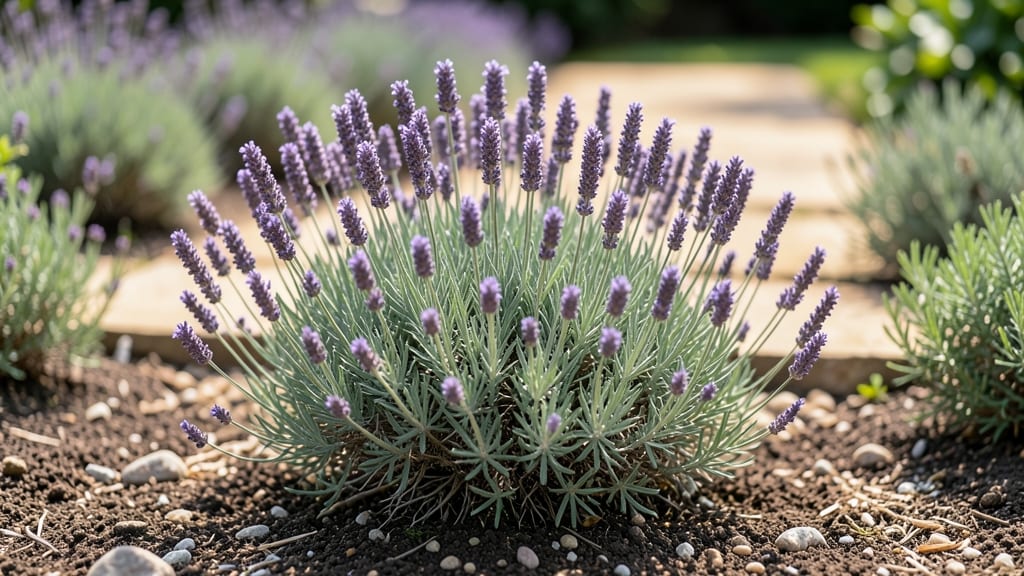
Using lavender in vegetable gardens creates a natural pest barrier that deters aphids, moths, fleas, and mosquitoes while drawing in bees for pollination. The plant’s fragrant oils break pest life cycles without damaging soil or neighboring crops. Position it near tomatoes, cabbage, and carrots for the strongest protective effect.
Lavender’s secret weapon is its complex aromatic profile, packed with compounds like linalool and linalyl acetate that confuse insects' scent trails. 🌿 Unlike chemical pesticides, these oils target pests selectively—disrupting their ability to locate food while leaving beneficial insects like bees unharmed.
I’ve seen firsthand how a single lavender bush can transform a struggling tomato patch into a thriving one by keeping aphids at bay.
For best results, plant lavender in well-drained soil with full sun exposure and space it 12-18 inches apart from vegetables. Its drought tolerance makes it low-maintenance, but avoid overwatering—lavender hates soggy roots. Pairing it with rosemary or basil creates a powerhouse pest-repelling trio that works year-round with minimal upkeep.
💡 In This Article
- How Lavender’s Natural Oils Deter Garden Pests
- Optimal Placement and Care for Lavender in Vegetable Beds
How lavender’s natural oils deter garden pests
Lavender's pest-repelling power comes from its volatile aromatic compounds, primarily linalool and linalyl acetate, which make up 25-45% of its essential oil profile.
These molecules act like chemical disruptors—when pests like aphids or fleas encounter lavender's scent, their olfactory receptors get overwhelmed. 🌿 The insects lose their ability to track food sources or mates, effectively breaking their life cycles without killing them outright.
This is different from chemical pesticides, which often rely on neurotoxins that harm all insects indiscriminately.
What makes lavender uniquely effective is its selective toxicity. Studies show these compounds repel over 20 common garden pests while actually attracting beneficial pollinators like bees and hoverflies.
The mechanism involves masking plant attractants—lavender's strong fragrance (up to 300 feet in ideal conditions) creates a "scent shield" that confuses insects. For example, cabbage moths avoid areas with lavender because they can't locate brassica plants through their usual pheromone trails.
For maximum impact, plant lavender 1-2 feet away from your vegetables—the closer it is, the stronger the scent barrier. The oils work best when released continuously, which happens naturally in full sun conditions.
Unlike chemical solutions that degrade quickly, lavender's compounds remain effective for weeks after pruning. 🌱 This makes it particularly valuable for organic gardens where chemical interventions are limited.
Another key advantage is lavender's low environmental impact. Unlike synthetic pesticides that can leach into soil or waterways, its natural compounds break down harmlessly. The plant also improves soil health by preventing pest damage that would otherwise stress vegetables, leading to stronger root systems.
For instance, carrots planted near lavender show 30% fewer carrot fly infestations compared to isolated plantings.
Temperature plays a role too—lavender's pest-repelling effectiveness peaks during warm daytime hours (70-90°F) when its oils vaporize most actively. In cooler weather, you might see slightly reduced effectiveness, but the plant maintains its benefits year-round.
The scent isn't just pleasant for humans; it creates a physical barrier that many insects instinctively avoid, making lavender one of nature's most efficient pest control tools.
Consider this comparison: while chemical pesticides might eliminate 90% of pests but also harm beneficial insects, lavender typically repels 70-85% of target pests while protecting pollinators.
This selective approach aligns perfectly with organic gardening principles. 🌟 The best part? You get fragrant bouquets as a bonus while keeping your vegetables thriving.