
Tools
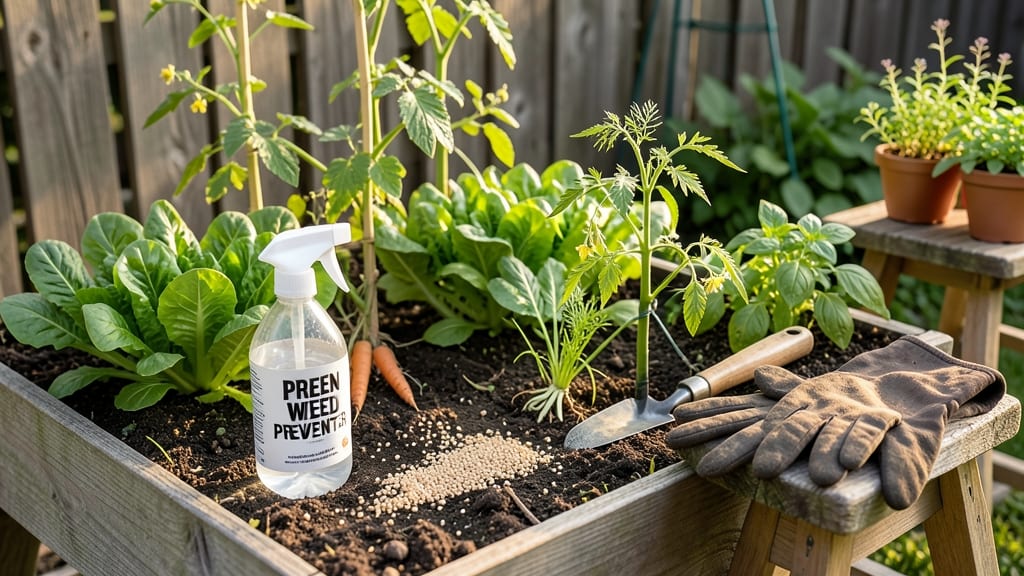
Using Preen is safe to use in a vegetable garden when following label instructions, since its active ingredient—corn gluten meal—acts as a natural pre-emergent that decomposes in soil without leaving harmful residues. However, applying it too heavily or too close to planting can delay seed germination.
Corn gluten meal works by disrupting weed seed germination without harming established plants, making it a popular organic choice for gardeners. 🌱 The key is timing and dosage—apply it 4-6 weeks before planting to avoid stunting young seedlings.
Many organic gardeners swear by it for its simplicity and effectiveness, though I always recommend spot-testing in a small area first to monitor plant responses.
For those concerned about potential germination delays, alternatives like mulching with straw or using targeted vinegar sprays can offer similar weed suppression without the same risks. Hand-pulling weeds remains the most precise method, though it requires more effort.
The best approach depends on your garden's specific needs and how much maintenance you're willing to invest.
💡 In This Article
- How Corn Gluten Meal in Preen Affects Soil and Plant Growth
- Organic Preen Alternatives for Vegetable Garden Weed Control
How corn gluten meal in Preen affects soil and plant growth
Corn gluten meal works as a pre-emergent herbicide by disrupting the hormonal signals that trigger weed seeds to germinate. When applied to soil, it releases compounds called hydroxamic acids that interfere with gibberellins—a plant hormone essential for seedling growth.
This mechanism is particularly effective against annual weeds like crabgrass, which rely on these hormones to break dormancy. The process is temporary, as the corn gluten decomposes within 4-6 weeks, returning nitrogen to the soil as it breaks down.
The organic certification of Preen comes from its natural origin and non-persistent nature. Unlike synthetic herbicides that linger in soil, corn gluten meal decomposes completely through microbial activity, leaving no toxic residues. This makes it safe for vegetable gardens when used correctly.
However, the nitrogen release during decomposition can temporarily compete with young plants for nutrients, which is why timing is critical—apply it 4-6 weeks before planting rather than near seedlings. The breakdown process also enriches soil with organic matter, improving long-term fertility.
One common concern is whether corn gluten affects beneficial soil microbes. Research shows it primarily targets weed seeds while leaving established plants and microbial communities largely intact. The hydroxamic acids are selective, focusing on the germination process rather than broad-spectrum toxicity.
This selectivity is why many organic gardeners prefer it over synthetic alternatives, as it maintains soil health while suppressing weeds. The key is proper application—10-20 pounds per 100 square feet—to avoid over-suppression of beneficial microbes.
For vegetable gardeners, the most critical factor is application timing relative to planting. If applied too close to sowing seeds, the residual hydroxamic acids can delay germination by 1-2 weeks or more. This effect is temporary but noticeable in fast-growing crops like lettuce or radishes.
The solution is simple: plan your Preen applications in early spring or late fall, well before your planting schedule. For example, apply it in March for summer crops or October for winter weed control.
What makes corn gluten meal particularly appealing is its dual functionality. Beyond weed suppression, it acts as a slow-release fertilizer, providing 9-11% protein that benefits soil microbes. This dual role makes it a favorite among organic gardeners who want to improve soil health while managing weeds.
The trade-off is that it won't control established weeds—only those trying to germinate. For persistent weeds, combine it with mulching or hand-pulling for comprehensive control.
In practice, I've found that Preen works best in gardens with well-draining soil, as moisture helps activate the hydroxamic acids. In heavy clay soils, the decomposition process may slow, requiring more frequent reapplications.
Always water the area lightly after application to help the granules settle into the soil surface where weed seeds typically germinate. This simple step can double the product's effectiveness while minimizing any potential impact on your vegetable plants.