
Advice
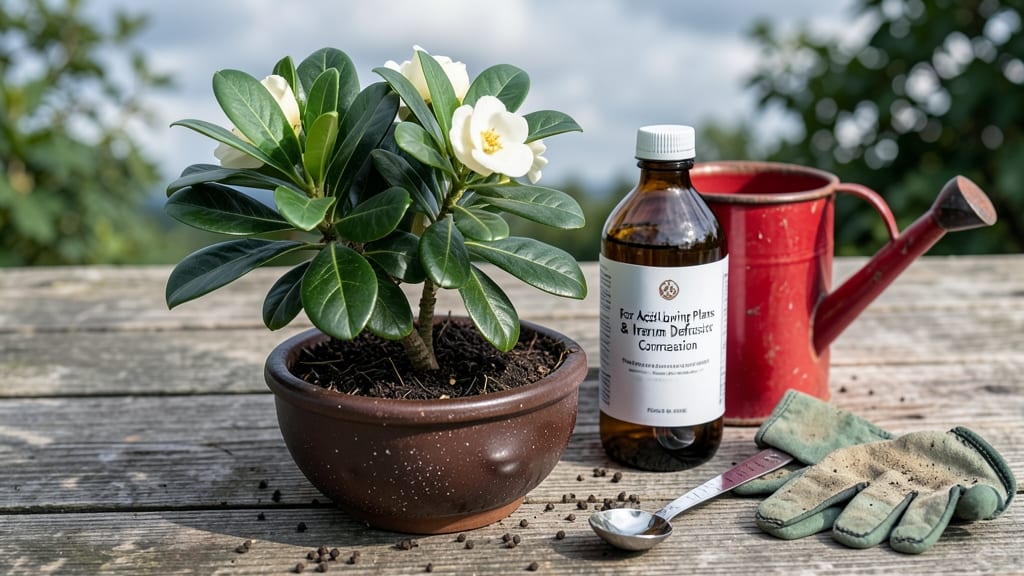
Using iron for gardenias is the secret to fixing yellow leaves and reviving those fragrant blooms—if you do it right.
Picture this: your 🌸 gardenias look healthy from a distance, but up close, the leaves are turning a sickly yellow between the veins, while the edges stay green. That’s classic iron deficiency, and it’s more common than you’d think in General (Tropical/Subtropical) zones like 9-11.
The problem? Many gardeners either overdo it with iron supplements or miss the pH-balancing step that actually lets the plant absorb it.
Here’s the deal: gardenias thrive when their soil pH is between 5.0 and 6.0—any higher, and the iron becomes locked away, no matter how much you add. That’s why a precise approach—whether you’re using chelated iron or organic fixes like Epsom salt—isn’t just helpful, it’s essential.
Skip the guesswork, and you’ll save your plants from both deficiency and the root burn that comes from too much iron.
Below, I’ll walk you through how to diagnose the problem, the exact iron dosages for your zone, and even organic swaps that work just as well—so you can get those glossy leaves and heady blooms back in spring (or anytime, really).
How to diagnose iron deficiency in gardenias (and when to use iron)
If your gardenias are losing their lush green leaves and producing fewer blooms, iron deficiency might be the culprit. This common issue in gardenias often goes unnoticed until it's already affecting your plant's health.
Unlike many plants, gardenias struggle to absorb iron when soil pH rises above 6.0, making this deficiency particularly tricky to diagnose and treat.
Iron deficiency in gardenias typically shows up as interveinal chlorosis, where the tissue between leaf veins turns yellow while the veins remain green. This symptom can easily be mistaken for nitrogen deficiency or even overwatering, so careful observation is key.
Unlike nitrogen deficiency, which causes overall yellowing, iron deficiency spares the veins and often starts on younger leaves first.
Before reaching for iron supplements, it's crucial to confirm the diagnosis. Gardenias also suffer from magnesium deficiency, which causes similar yellowing but affects older leaves first. The key difference?
Iron deficiency leaves veins green, while magnesium deficiency causes yellow patches on veins too. Testing your soil's pH is the first step—gardenias thrive in acidic soil (pH 4.5–6.0).
🌸 Pro Tip: Use a soil pH test kit (available at garden centers) to check your gardenia's soil. If the pH is above 6.0, this explains why your plant can't access the iron already present in the soil.
Even with plenty of iron in the soil, gardenias can't absorb it when pH is too high.
⚠️ WARNING: MISDIAGNOSING IRON DEFICIENCY CAN LEAD TO OVERFERTILIZATION ⚠️
Start by examining your gardenia's leaves under bright light. Look for yellowing between veins on new growth, while older leaves stay green. This pattern is classic for iron deficiency. If you also notice small, brittle leaves or reduced flowering, iron deficiency is likely. Compare this to nitrogen deficiency, which causes uniform yellowing across the entire leaf, including veins.
Another clue? Iron-deficient gardenias often develop purplish stems or stunted new growth. This happens because the plant can't produce enough chlorophyll due to lack of iron, a critical component of this green pigment.
If you notice these symptoms combined with yellowing, it's time to act—but only after confirming the pH.
For accurate diagnosis, consider a soil test kit (around $15) or send a sample to your local cooperative extension service. These tests measure not just pH but also available iron levels.
If your soil pH is above 6.0, you'll need to lower it before adding iron. Use elemental sulfur (1/4 cup per plant) or pine bark fines to acidify the soil gradually.
Once you've confirmed iron deficiency and adjusted the pH, you can safely apply chelated iron. This form of iron is designed to be plant-available in a wider pH range.
Start with a low dose (1/4 tsp per gallon of water) and apply it to the soil, keeping it 2–3 inches away from the stem to avoid root damage. Repeat every 4–6 weeks during the growing season.
🌿 Remember: Gardenias are sensitive to salt buildup from fertilizers, so always water thoroughly after applying iron.
If you're unsure whether your deficiency is iron or magnesium-related, a foliar spray with both micronutrients can help diagnose the issue—iron deficiency improves faster on new leaves, while magnesium deficiency shows progress on older leaves.
pH-balanced iron supplement dosage chart for gardenias by season
Gardenias thrive when their soil pH stays between 4.5–6.0, but iron deficiency (chlorosis) often strikes when pH drifts too high. Chelated iron (Fe-EDDHA) is the gold standard for correcting this, but dosing depends on your season, soil type, and plant size.
Overdoing it can harm roots, while underdosing leaves your gardenias struggling. Let’s break down the precise iron schedule tailored to your climate and soil.
For sandy soils, iron leaches quickly, requiring more frequent applications, while clay soils hold nutrients longer but may need acidification first. Always apply chelated iron in moist soil—never dry—to ensure roots absorb it efficiently.
Pair this with a soil acidifier (like aluminum sulfate) if your pH tests above 6.0 before adding iron.
| Season | Soil Type | Iron Dosage (Fe-EDDHA) | pH Adjustment | Frequency |
|---|---|---|---|---|
| Spring (March–May) | Sandy | 0.5–1 lb/100 sq ft | Test pH; add sulfur if >6.0 | Every 4 weeks |
| Spring (March–May) | Clay | 0.25–0.5 lb/100 sq ft | Add aluminum sulfate if pH >5.5 | Every 6 weeks |
| Summer (June–August) | Sandy | 0.3–0.5 lb/100 sq ft | Maintain pH 4.5–5.5 | Every 8 weeks |
| Fall (September–November) | Clay | 0.25 lb/100 sq ft | Test pH; adjust if >6.0 | Every 10 weeks |
| Winter (December–February) | All | None (dormant season) | Monitor pH; plan adjustments for spring | N/A |
Spring is the best time to start iron supplements, as gardenias ramp up growth and need iron for new leaves. For mature plants (3–6 ft tall), split the dosage into two applications: half in early spring and half in late summer.
Young plants or those in containers need half the dose but should get it every 3–4 weeks during active growth.
Watch for iron toxicity signs like brown leaf edges or stunted growth—these mean you’ve overdone it.
If your gardenia’s leaves turn yellow with green veins, it’s still iron-deficient. Foliar sprays (mix 1 tsp chelated iron per gallon of water) can provide a quick fix, but always follow up with soil amendments for long-term health.
Pro tip: Pair your iron supplement with organic matter like compost or peat moss to improve soil structure and retention. Mulch with pine needles to naturally acidify the soil over time.
With this seasonal iron schedule, your gardenias will reward you with vibrant blooms and lush foliage all year round.