
Container Gardens
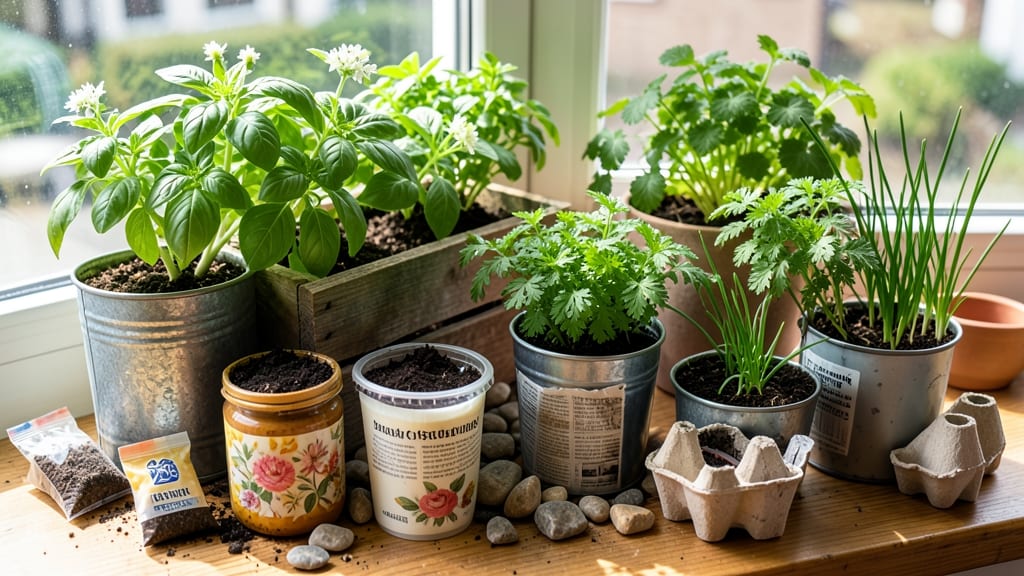
For inexpensive containers for gardening, consider repurposed plastic buckets, old bathtubs, wooden crates, and recycled fabric grow bags—all available for under $10 each and perfect for growing herbs, vegetables, or flowers while ensuring proper drainage and durability.
Starting a garden on a budget doesn't mean sacrificing quality.
These containers are ideal because they're lightweight yet sturdy enough to handle frequent watering, and many can be customized with paint or liners to match your space. 💛 Fabric grow bags, for example, are breathable and prevent root rot, while wooden crates add rustic charm while supporting heavier plants like tomatoes.
The key is balancing cost with functionality—each option here solves a specific gardening need without breaking the bank.
What sets these containers apart is their adaptability. A plastic bucket can become a self-watering planter with a few holes drilled in the bottom, while an old bathtub creates a stunning vertical garden when mounted on a wall.
The beauty of upcycling is that you're not just saving money—you're reducing waste and adding personality to your garden. For instance, I've seen laundry baskets transformed into hanging planters for trailing herbs, proving that creativity often yields the best results.
💡 In This Article
- How to Choose Durable and Drainage-Friendly DIY Gardening Containers
- 5 Creative Ways to Repurpose Household Items Into Planters
How to choose durable and drainage-friendly DIY gardening containers
The material of your container directly impacts plant health, especially for roots that need oxygen and proper drainage. Plastic containers, like buckets, are lightweight and UV-resistant, making them ideal for herbs and small vegetables.
Their smooth surface prevents soil from sticking, but you must drill ¼-inch drainage holes at the bottom to prevent waterlogging. Wooden crates, on the other hand, offer better insulation for roots, keeping them cooler in summer and warmer in winter—perfect for root crops like carrots or beets.
Fabric grow bags are a game-changer for airflow, as their breathable material mimics natural soil conditions. This reduces root rot risk by allowing excess moisture to evaporate, which is critical for moisture-sensitive plants like basil or peppers.
However, fabric degrades faster under UV exposure, so choose thick, double-layered bags for longevity. The trade-off? Fabric bags cost slightly more upfront but last 2-3 seasons with proper care, while plastic buckets can last indefinitely if undamaged.
Drainage isn’t just about holes—it’s about placement too. Containers without proper drainage force roots to suffocate in soggy soil, leading to stunted growth or disease.
For example, tomatoes thrive in 5-gallon buckets with drainage holes and a saucer underneath to catch runoff, while succulents need containers with multiple holes to prevent their shallow roots from rotting. Always pair containers with a layer of gravel or broken pottery at the bottom to improve drainage efficiency.
Weight and stability matter for taller plants or heavy containers. A 5-gallon bucket filled with soil weighs about 20-25 pounds, so place it on a stable surface or secure it to a wall.
Wooden crates, though sturdy, can warp over time—opt for cedar or redwood if possible, as they resist rot better than pine. For vertical gardens, use lightweight materials like plastic or fabric to avoid straining walls or fences.
UV resistance is often overlooked but critical for longevity. Black plastic containers absorb heat, which can cook roots in summer, while clear containers allow light to penetrate and may encourage algae growth in soil.
If using plastic, choose opaque or white containers to reflect sunlight and keep roots cooler. For outdoor exposure, apply a UV-resistant sealant to wooden crates to extend their lifespan by 30-50%.
Consider your plants’ growth habits when selecting containers. Trailing plants like nasturtiums need at least 12 inches of depth and wide mouths for easy access, while bushy herbs like rosemary thrive in shallow, wide containers.
The rule of thumb? Match container size to the plant’s mature root zone—overpotting wastes soil and water, while underpotting restricts growth. 🌱