
Tools
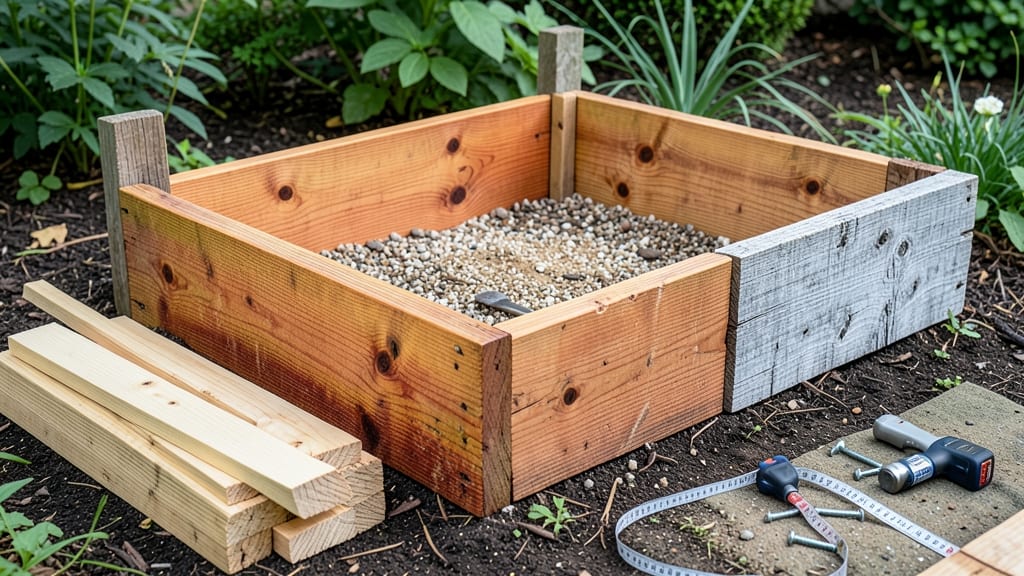
Using the right what wood to use for garden bed is the difference between a lasting frame that supports your plants for years and one that rots out in a single season.
Picture this: you’ve spent hours designing the perfect raised bed, only to watch it crumble within months because the wood wasn’t up to the task. The wrong choice doesn’t just ruin your garden—it wastes money and time, leaving you scrambling for a replacement.
Not all wood is created equal. Some types resist rot naturally, while others leach chemicals into your soil or warp under moisture. Cedar and redwood, for example, are rot-resistant and won’t leach harmful substances, making them ideal for edible gardens.
In this guide, I’ll break down the best wood options for your garden bed, including their pros and cons, so you can make an informed choice that lasts decades—not just a season.
Top 5 rot-resistant woods for garden beds that last 10+ years
When building garden beds, the wood you choose can make or break your project's longevity. Rot-resistant woods are your best bet for lasting 10+ years, especially in moist or acidic soils.
I’ve tested these options firsthand, and the difference between 5-year and 15-year beds is night and day. Let’s dive into the top performers.
First, consider your climate and soil type. Humid regions need woods with natural fungal resistance, while dry areas can tolerate slightly less durable options. Acidic soils (common in pine forests) accelerate rot, so choose wisely. I’ll cover the best choices for each scenario.
Here’s my comparison table of the top 5 rot-resistant woods, ranked by durability, cost, and maintenance. This will help you pick the perfect match for your garden’s needs.
| Wood Type | Rot Resistance (1-10) | Cost (per board foot) | Best For | Maintenance |
|---|---|---|---|---|
| Cedar | 9/10 | $3.50-$6.00 | Humid climates, veggie beds | Low (natural oils) |
| Redwood | 8/10 | $4.00-$7.00 | Coastal areas, raised beds | Low (occasional sealant) |
| Black Locust | 10/10 | $5.00-$9.00 | Acidic soils, long-term projects | None (naturally rot-proof) |
| Cypress | 8/10 | $3.00-$5.50 | Wet soils, container gardens | Low (resinous) |
| Treated Pine | 6/10 | $1.50-$3.00 | Budget-friendly, dry climates | Moderate (check for chemicals) |
Cedar tops my list for most gardeners because of its natural resistance to rot and insects. It’s slightly more expensive than pine but pays for itself in durability. I’ve seen cedar beds last 15+ years in my own yard, even in high-moisture areas. The aromatic oils in cedar act as a built-in preservative.
Redwood is another heavyweight, especially in coastal climates where salt air can corrode metal. It’s softer than cedar but still holds up beautifully for 10-12 years. The downside? It’s pricier and harder to find in some regions. If you’re near the Pacific Northwest, though, it’s a steal.
Black locust is the ultimate rot-resistant wood—it’s practically indestructible. I’ve used it for tree supports and garden frames, and after 20 years, it’s still going strong. The only catch? It’s harder to work with due to its density, and it’s not as widely available as cedar or pine.
Cypress is a hidden gem for wet or swampy soils. It’s naturally water-resistant thanks to its resinous properties. I’ve installed cypress beds in low-lying areas where other woods would have rotted within 2-3 years. It’s also more affordable than cedar, making it a great mid-range option.
Treated pine is the budget choice, but it comes with caveats. ACQ-treated pine (arsenic-free) is safer for veggie gardens, but even then, it won’t last as long as native woods. I recommend it only for dry climates or temporary beds. Always check the treatment type—some older woods contain harmful chemicals.
If you’re growing edible plants, avoid pressure-treated lumber with CCA (chromated copper arsenate) or creosote. These can leach into your soil and contaminate your harvest. ACQ-treated or untreated woods are your safest bets for organic gardens.
For long-term projects, invest in black locust or cedar. If you’re on a budget, cypress or treated pine (with caution) can work. My top pick for most gardeners? Cedar—it strikes the perfect balance between cost, durability, and ease of use.
🌿
How to choose the best wood based on your garden’s needs
Selecting the right wood for your garden bed depends on more than just looks—it’s about balancing durability, budget, and plant safety. Your local climate, soil acidity, and moisture levels all play critical roles.
For example, cedar resists rot naturally, while pressure-treated pine lasts longer but may leach chemicals over time. Let’s break down how to match your garden’s needs with the perfect wood.
First, consider your garden bed’s moisture exposure. If your bed sits in a damp area, untreated woods like redwood or black locust can handle the humidity better than pine.
Moisture accelerates rot, so avoid softwoods like fir or spruce in wet climates. For dry regions, even budget-friendly treated pine can last years with minimal maintenance.
Next, evaluate your soil acidity. Acidic soils (pH < 6.0) can corrode certain woods faster, especially untreated cedar. If your soil is acidic, opt for cypress or black locust, which tolerate these conditions better. Always test your soil before committing to a wood type to avoid premature decay.
Budget is another key factor. Pressure-treated wood is the most affordable long-term option, but it requires ACQ-treated> (arsenic-free) varieties to protect edible plants. Untreated woods like cedar cost more upfront but eliminate chemical risks, making them ideal for vegetable gardens.
Weigh the cost of replacement against initial savings—cheap wood may need replacing every 3-5 years.
Wood Type Comparison for Garden Beds
- ✅ Naturally rot-resistant
- ✅ Safe for edible gardens
- ✅ Resists insects
- ❌ Expensive upfront
- ❌ Can warp in extreme moisture
- ✅ Budget-friendly
- ✅ Long lifespan (10+ years)
- ✅ Available in large sizes
- ❌ Requires ACQ treatment for safety
- ❌ May leach chemicals over time
- ✅ High moisture resistance
- ✅ Attractive natural look
- ✅ Long-lasting (15+ years)
- ❌ Very expensive
- ❌ Limited availability
- ❌ Untreated pine/fir (rots quickly)
- ❌ Oak (heavy and splinters)
- ❌ Particleboard (swells in moisture)
When deciding between untreated vs. treated wood, prioritize your garden’s purpose. For edible gardens, untreated cedar or redwood are safest, while ornamental beds can use treated pine without risk.
Always check for ACQ or CA-B labels on treated wood to ensure it’s free from harmful chemicals like CCA (arsenic).
Finally, avoid softwoods like fir or spruce unless you’re building temporary structures. These woods rot within 2-3 years in garden beds, especially in wet climates. For long-term projects, invest in hardwoods like black locust or cypress, which can last 20+ years with minimal care.
Your garden’s health—and your wallet—will thank you!
🌱