
Fertilization
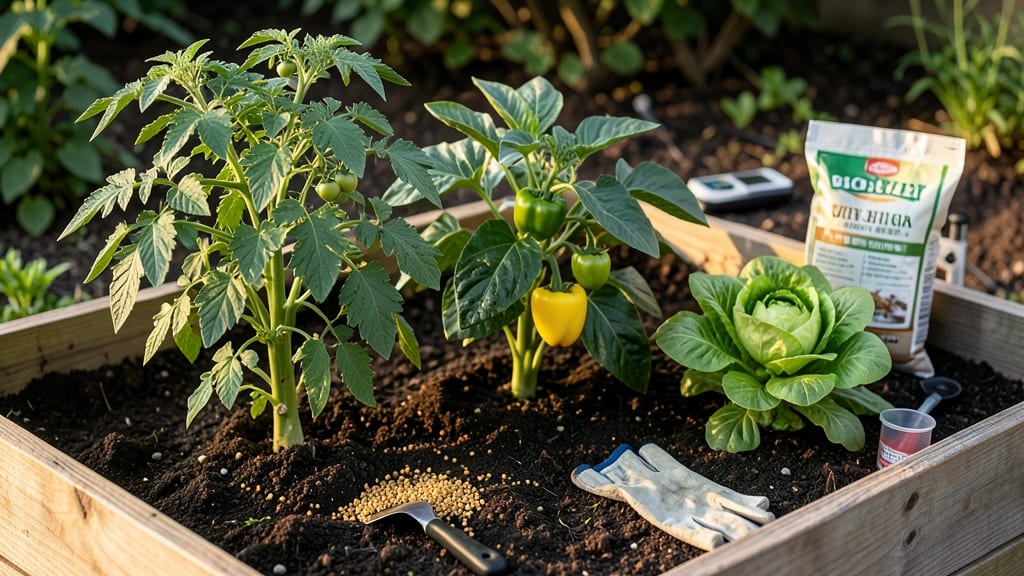
To apply fertilizer to your vegetable garden at the right time means the difference between a bountiful harvest and wasted effort — and the best stages aren’t what most gardeners guess.
Picture this: You’ve just planted your seeds, eager for sprouts, but you fertilize too early and burn delicate roots before they’ve even had a chance to establish.
Or worse, you skip feeding during flowering and watch your tomatoes set fruit but never ripen. Timing is everything, and getting it wrong can leave you scratching your head come harvest season.
Most gardeners focus on what to fertilize, but the real secret lies in when. The truth? Vegetables need different nutrients at different stages—seedlings crave nitrogen for leafy growth, flowering plants demand phosphorus for roots and fruit, and mature crops benefit from potassium for disease resistance.
Without aligning your fertilizer with these stages, you’re basically throwing money (and nutrients) away.
In this guide, I’ll walk you through the exact stages to fertilize—from pre-planting prep to post-harvest care—so you can feed your garden the right way, at the right time, and watch your yield explode. No guesswork, just science-backed results.
Fertilizer application timing by vegetable growth stages
Getting your fertilizer timing right is like feeding your plants exactly what they need at the perfect moment—too early or late, and you waste nutrients or stunt growth. Each vegetable has distinct growth phases where fertilizer works best: seedling, vegetative, flowering, and fruiting.
For example, tomatoes need phosphorus-heavy feeds during flowering, while leafy greens thrive on nitrogen early on. Understanding these stages helps you avoid over-fertilizing or underfeeding.
Most gardeners make the mistake of fertilizing only at planting or harvest time, missing critical mid-season needs. The key is matching your fertilizer's NPK ratios to each stage—nitrogen (N) for leafy growth, phosphorus (P) for roots/flowers, and potassium (K) for fruit development.
Let's break down when to feed for tomatoes, peppers, and leafy greens, plus how to spot each growth phase in your garden.
For tomatoes, the flowering stage is critical—look for yellow blossoms and feed with a 5-10-5 fertilizer to encourage fruit set.
I once skipped this step and ended up with blossom end rot because my plants lacked calcium and phosphorus. Peppers, on the other hand, need consistent nitrogen during vegetative growth to build strong stems before switching to phosphorus when buds form.
Leafy greens like spinach and kale are different—they thrive on nitrogen-rich fertilizers throughout their entire growth cycle. Over-fertilizing them with phosphorus or potassium can actually reduce leaf production. The trick is to use a low-P fertilizer (like 12-2-4) and side-dress with compost every 3-4 weeks instead of heavy synthetic feeds.
Recognizing growth stages isn’t hard—just check for these visual cues: seedlings have tiny leaves and hair-thin stems, while vegetative plants grow rapidly with thick stems. Flowering plants develop buds or blooms, and fruiting plants show developing fruit (even if small).
For example, my tomato plants went from green leaves only to yellow flowers in just 3 weeks—missing that transition would’ve meant missed fertilizer opportunities.
One common mistake is fertilizing too late in the season. If you see new growth after late July, it won’t have time to mature before frost. Instead, focus on harvest support with a low-nitrogen fertilizer (like 2-3-1) to harden off plants.
I learned this the hard way when my peppers produced tiny, underripe fruit because I kept feeding them nitrogen too late.
Soil temperature also affects fertilizer uptake—cooler soils (50°F) slow nutrient absorption, while warmer soils (70°F+) allow
Common mistakes that ruin fertilizer timing (and how to avoid them)
Even the most well-intentioned gardeners can sabotage their vegetable harvests with poor fertilizer timing. I’ve watched tomatoes bolt from overfeeding and leafy greens turn bitter from nutrient overload—all because the wrong fertilizer was applied at the wrong time.
The key is understanding that plants need different nutrients at different stages, and timing matters just as much as what you use.
One of the biggest mistakes is applying fertilizer right after planting. New seedlings are delicate, and a heavy dose of nutrients can burn their roots before they’ve established themselves.
Instead, I always wait until plants show 2-3 true leaves before giving them their first feeding. This gives roots time to spread and absorb nutrients safely.
Another critical error is ignoring soil test results. Many gardeners assume their soil is nutrient-poor and dump on fertilizer without checking. I learned this lesson the hard way when my peppers developed yellow leaves from too much nitrogen.
A simple soil test would’ve shown my soil already had plenty of nitrogen—it just needed phosphorus and potassium for flowering.
⚠️ callout-warning
- During heatwaves – Plants can’t absorb nutrients in extreme heat, leading to root burn.
- Right before harvest – Residue can contaminate edible parts like lettuce or carrots.
- On stressed plants – If leaves are yellow or wilting, focus on water and recovery first.
Many gardeners also make the mistake of using the same fertilizer throughout the season. Early in the growing season, plants need more nitrogen for leafy growth, but as they flower and fruit, they crave phosphorus and potassium.
I switch to a balanced 5-10-10 fertilizer during flowering and a low-nitrogen blend like 2-3-1 for fruiting stages to avoid overloading plants.
Finally, over-fertilizing in fall is a common trap. Once temperatures drop below 50°F (10°C), plants slow down their nutrient uptake. Any excess fertilizer just sits in the soil, risking runoff or burning roots when spring arrives.
Instead, I apply a light dose of compost in early fall and let winter rains distribute it naturally.
By avoiding these timing mistakes, you’ll save money, reduce waste, and give your vegetables exactly what they need—when they need it. The difference in yield and plant health is dramatic when you get the timing right.
Start with a soil test, match fertilizers to growth stages, and always observe your plants for signs of stress or excess.