
Size
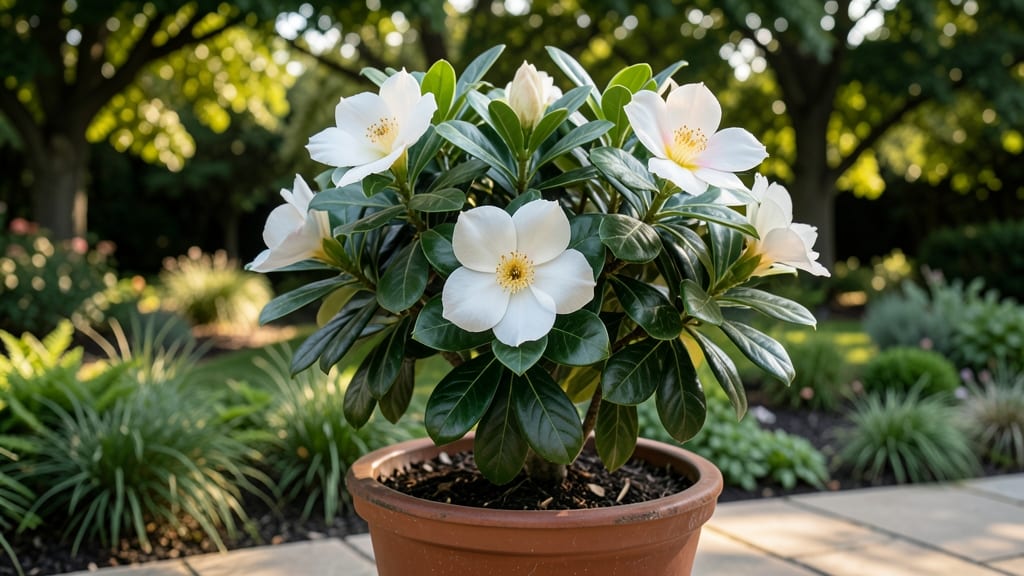
How tall do gardenias get? These plants typically grow between 3 and 6 feet at maturity, making them a versatile choice for shrubs or small trees in your garden.
If you're dreaming of fragrant, creamy-white blooms but wondering whether gardenias will fit your garden's height requirements, you're not alone—many gardeners overlook this crucial detail before planting. The key lies in choosing the right variety, as some stay compact while others reach towering heights.
For example, the popular Gardenia jasminoides typically matures around 4 to 6 feet, while dwarf varieties like 'Radicans' stay under 2 feet.
Pruning, sunlight exposure, and soil conditions also play a role in controlling their growth, so selecting the right spot is just as important as picking the plant.
Below, I’ll break down how to manage their height based on your space, plus tips for keeping them lush and blooming year after year.


Gardenia height ranges by variety: from compact shrubs to towering trees
When planning your garden layout, knowing how tall gardenias get is essential—especially since varieties range from dwarf shrubs to small trees. The most common gardenia, Gardenia jasminoides, typically reaches 3 to 6 feet at maturity, but some varieties can dwarf this size or grow even taller.
Understanding these height ranges helps you choose the perfect variety for your space, whether it's a container garden or a backyard hedge.
Gardenias grow as evergreen shrubs or small trees, with their height influenced by genetics, pruning habits, and growing conditions. Some varieties stay compact, ideal for patio planters or foundation plantings, while others can become towering specimens that need regular pruning.
Below, we break down the most popular gardenia varieties by their mature height ranges and growth habits to help you make an informed choice.
| Variety | Mature Height | Growth Habit | Best For |
|---|---|---|---|
| Gardenia jasminoides (Common) | 3–6 ft | Bushy shrub, multi-stemmed | Borders, hedges, containers |
| Gardenia augusta (Cape Jasmine) | 6–12 ft | Small tree, upright growth | Large gardens, privacy screens |
| 'Kleim's Hardy' (Dwarf) | 2–3 ft | Compact, rounded shrub | Containers, small gardens |
| 'Radicans' (Trailing) | 1–2 ft (spreading) | Trailing habit, mounding | Hanging baskets, rock gardens |
| 'Veitchii' (Large-Flowered) | 4–8 ft | Upright, bushy shrub | Backyard plantings, focal points |
| 'Fortuniana' (Japanese) | 5–10 ft | Tree-like, pyramidal shape | Large landscapes, specimen planting |
If you're working with limited space, dwarf varieties like 'Kleim's Hardy' are perfect for containers or small gardens. These stay under 3 feet tall and thrive in pots, making them ideal for patios or balconies.
Their compact size also means they require less pruning, saving you time and effort while still delivering those fragrant blooms you love.
For larger gardens, varieties like Gardenia augusta or 'Fortuniana' can become stunning specimen plants or privacy screens. These can reach 10 feet or taller, so plan accordingly if you're planting near walkways or structures.
Their upright growth habit makes them excellent for creating vertical interest in your landscape design.
One variety that stands out for its unique growth habit is 'Radicans'. Unlike traditional gardenias, this trailing type spreads horizontally rather than growing tall, making it perfect for hanging baskets or cascading over walls.
It stays under 2 feet tall but can spread 3–4 feet wide, adding a lush, fragrant display to any space.
When choosing a gardenia variety, consider not just its mature height but also its growth rate and spread. For example, 'Veitchii' grows quickly and can reach 8 feet tall in ideal conditions, while 'Kleim's Hardy' grows more slowly but stays manageable.
Always check the specific variety's care requirements to ensure it thrives in your climate and soil conditions.
Proper spacing is key to preventing overcrowding and ensuring good airflow, which reduces the risk of fungal diseases like powdery mildew. For standard gardenias, allow 3–4 feet of space between plants. If you're planting multiple varieties together, consider their mature sizes to avoid future pruning headaches.
For instance, pairing a 3-foot dwarf with a 6-foot shrub creates a layered look without overpowering your garden.
If you're unsure about a gardenia's potential height, start with a container-grown plant and monitor its growth before committing to permanent placement. Many nurseries sell gardenias in 1-gallon pots, which are easier to move around until you're confident in their mature size.
This approach also lets you test different varieties in your garden before making long-term decisions.
Remember, pruning plays a huge role in controlling gardenia height. Regular pruning not only keeps your plant at your desired size but also encourages more blooms and denser foliage.
For taller varieties, prune in late winter or early spring to shape the plant and remove any dead or overcrowded branches. For dwarf varieties, a light trim after flowering helps maintain their compact form.
No matter which gardenia you choose, its height will bring both beauty and fragrance to your garden—just make sure you've planned for its mature size from the start! With the right variety and care, you'll enjoy years of lush, blooming gardenias that fit perfectly in your outdoor space. 🌸
Factors that influence gardenia height: sunlight, pruning, and soil conditions
Understanding how gardenias grow isn't just about their mature height—it's about how you nurture them. The height of gardenias depends heavily on three key factors: sunlight exposure, pruning techniques, and soil conditions.
Each plays a unique role in determining whether your gardenia becomes a compact shrub or a towering beauty. Let me break down how these elements interact to shape your plant's growth.
First, let's talk about sunlight exposure. Gardenias thrive in partial shade, typically needing 4-6 hours of morning sun but protection from harsh afternoon rays. Too much direct sun can stress the plant, leading to stunted growth or leggy stems.
Conversely, insufficient light weakens the plant, reducing its ability to reach its full potential height. Balancing this is crucial for encouraging healthy, controlled growth.
Next, let's dive into pruning techniques, which are your secret weapon for controlling gardenia height. Pruning isn't just about shaping—it's about encouraging bushier growth and stronger stems. I always recommend pruning gardenias right after they finish blooming.
This timing allows the plant to redirect energy into producing new branches rather than just vertical growth. Cutting back one-third of the plant can significantly reduce height while promoting a fuller, more compact shape.
Don't overlook the importance of soil conditions, either. Gardenias are fussy about their soil, and for good reason—they need acidic soil with a pH between 5.0 and 6.0.
If your soil is too alkaline, the plant struggles to absorb essential nutrients like iron and phosphorus, which directly impacts its growth rate and overall health. I’ve found that amending the soil with peat moss or elemental sulfur can make a world of difference.
This small adjustment ensures your gardenia gets the nutrients it needs to grow strong and tall—or stay compact, depending on your goals.
Finally, let’s talk about fertilization, which is often underestimated. Using a balanced, acid-loving fertilizer (like a 10-10-10 formula) every 4-6 weeks during the growing season provides the nutrients gardenias crave.
I’ve seen gardenias grow 2-3 feet taller in a single season with proper fertilization compared to those that go without. However, timing is everything—apply fertilizer in the early morning to avoid burning the roots, especially in hot weather.
By mastering these four factors—sunlight exposure, pruning techniques, soil conditions, and fertilization—you’ll have full control over your gardenia's height. Whether you're aiming for a compact shrub or a tall, fragrant specimen, these practices will help you achieve the perfect fit for your garden. 🌿