
Size
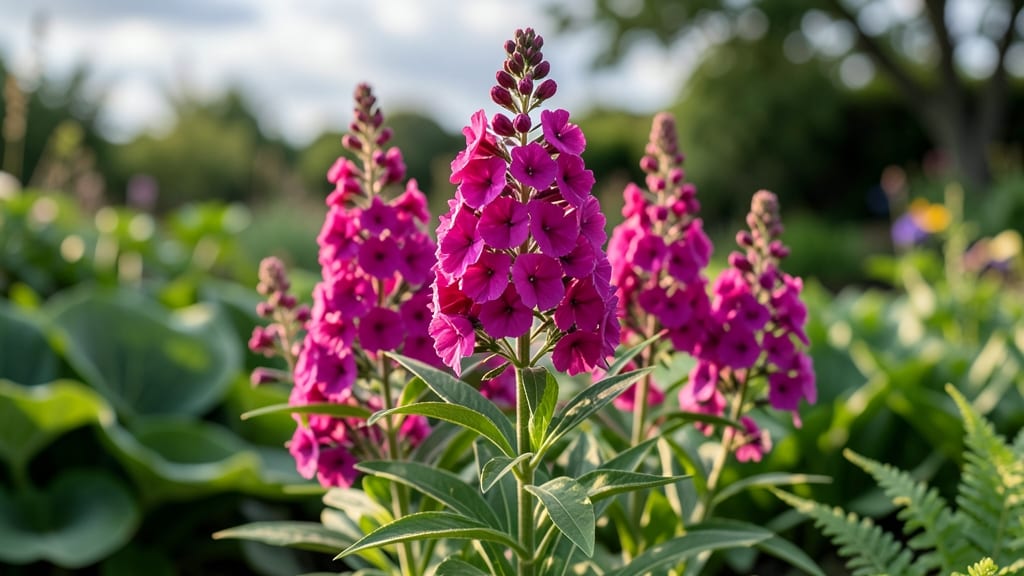
Garden phlox 🌸 can grow anywhere from 1 foot to over 4 feet tall, depending on the variety and growing conditions—but choosing the right one for your space makes all the difference.
If you’re dreaming of vibrant summer blooms but wondering whether garden phlox will tower over your garden beds or stay neatly contained, you’re not alone—height varies dramatically by variety.
From dwarf types that hug the ground to towering varieties reaching 5 feet, phlox can be the perfect fit or a space-stealing surprise.
Most gardeners plant phlox for its bold colors and long bloom time, but height also determines where it thrives—whether tucked in a border, used as a mid-height accent, or left to reach for the sky in a cottage-style garden.
Below, I’ll break down the exact height ranges for popular varieties and how to space them for maximum impact.
You’ll also discover pruning tricks to control growth, spacing formulas to avoid overcrowding, and how to use height differences to create layered garden effects—no matter your yard’s size or style.


Garden phlox height guide: variety-specific growth ranges explained
Choosing the right garden phlox variety means understanding their height ranges—some stay compact at 18 inches, while others reach 6 feet tall. This variety spectrum lets you create stunning layered garden designs, from border edges to backyard focal points.
The key is matching your garden space and design goals with each phlox's mature height and growth habit.
Phlox varieties typically fall into three height categories: dwarf (1-2 ft), medium (2-3 ft), and tall (3-4+ ft). Each category offers unique blooming characteristics and garden placement options.
For example, ‘David’ phlox stays neatly at 18 inches while ‘Blue Moon’ towers at 5 feet, creating perfect front-to-back transitions in perennial beds.
Here’s how to navigate phlox heights with confidence:
| Variety | Height Range | Growth Habit | Ideal Placement |
|---|---|---|---|
| ‘David’ | 18-24" | Compact, bushy | Front borders, rock gardens |
| ‘Lipstick’ | 24-30" | Upright, slightly spreading | Mixed borders, containers |
| ‘Jeana’ | 30-36" | Medium, sturdy stems | Mid-border, cottage gardens |
| ‘Blue Moon’ | 48-60" | Tall, sturdy spikes | Back borders, cut flower gardens |
| ‘White Delight’ | 36-42" | Medium-tall, rounded | Perennial beds, mass plantings |
Dwarf varieties like ‘David’ phlox (18-24 inches) are perfect for front-of-bed planting or container gardens. Their compact size makes them ideal for rock gardens or walkway edging, where you want vibrant color without overwhelming smaller spaces.
These varieties typically bloom earlier in the season, providing extended color from late spring through summer.
Medium-height phlox (24-36 inches) strike the perfect balance for mid-border planting. Varieties like ‘Jeana’ and ‘Lipstick’ create stunning layered effects when paired with shorter perennials like coresopsis or black-eyed Susans.
Their upright growth habit also makes them excellent for cut flower arrangements, as stems remain sturdy even with heavy blooms.
Tall phlox varieties (36-60 inches) serve as backdrop plants or focal points in garden designs. The ‘Blue Moon’ variety, reaching up to 5 feet, creates dramatic vertical interest and works beautifully in cut flower gardens.
For smaller gardens, consider ‘White Delight’ at 36-42 inches—it provides height without overwhelming limited spaces.
Height isn’t the only factor—spreading habits matter too. Some varieties like ‘David’ stay contained, while others like ‘Blue Moon’ may need staking in windy areas. Always check the mature spread (typically 12-24 inches) to plan spacing correctly and avoid overcrowding.
Pro tip: Use height differences to create visual depth. Plant tall varieties at the back, medium in the middle, and dwarf at the front. This technique maximizes your garden’s impact per square foot while keeping maintenance manageable.
🌸
How to space garden phlox for maximum impact (without crowding)
Proper spacing transforms garden phlox from a chaotic clump into a showstopping display. Since heights range from 12 inches to 6 feet, crowding leads to poor airflow—inviting fungal diseases like powdery mildew. My secret? Height-based spacing formulas that balance aesthetics and plant health.
Start by grouping dwarf varieties (12–18 inches) in front of tall phlox (36–60 inches) to create natural layers. This not only maximizes vertical space but also extends your blooming season by staggering maturity times.
For example, plant ‘David’ (18 inches) alongside ‘Blue Moon’ (5 feet)—the shorter variety blooms earlier, while the tall one takes center stage later.
- Dwarf (12–18")
- Space 12–18 inches apart in containers or borders. Ideal for front-of-bed planting or rock gardens.
- Semi-Dwarf (18–30")
- Plant 18–24 inches apart in mixed borders. Pair with catmint or lavender for companion benefits.
- Standard (30–48")
- Use 24–36 inches spacing in back-of-bed or perennial gardens. Stagger rows to create depth.
- Tall (48–60")
- Space 36–48 inches apart in island beds or focal points. Add trellises for support if needed.
Pro Tip: Container phlox need half the spacing—use 5-gallon pots for 1 plant per 12" of height.
For container gardening, I swear by the 1/3 rule: Fill your pot with one-third soil, one-third plant roots, and leave one-third for growth. A 12-inch dwarf phlox thrives in a 10-inch pot, while a 5-foot ‘Blue Moon’ needs a 18-inch container with drainage holes.
Group odd numbers of plants (e.g., 3 or 5) for asymmetrical, natural looks.
Companion planting is where airflow meets aesthetics. Pair tall phlox (4+ feet) with low-growing perennials like sedum or ajuga to break up their height. Avoid planting near hostas or ferns, which thrive in shade—phlox demands full sun and will outcompete them.
My go-to combo? ‘David’ phlox + catmint—the catmint deters pests while the phlox provides bold color contrast.
Layering heights isn’t just about looks—it’s about seasonal timing. Shorter varieties like ‘Lipstick’ (18 inches) bloom in early summer, while taller ‘Jeana’ (4 feet) lights up in mid-to-late summer. This staggered display ensures your garden never goes bare.
To maximize this effect, plant tallest varieties at the back, medium in the middle, and dwarfs in front—like a living flowering staircase.
Finally, prune strategically to control height and spacing. After the first flush of blooms, cut back one-third of the stems to encourage bushier regrowth. This reduces overcrowding and prevents powdery mildew by improving airflow.
For tall varieties, stake them early to avoid flopping, which can block sunlight for neighboring plants.