
Picking
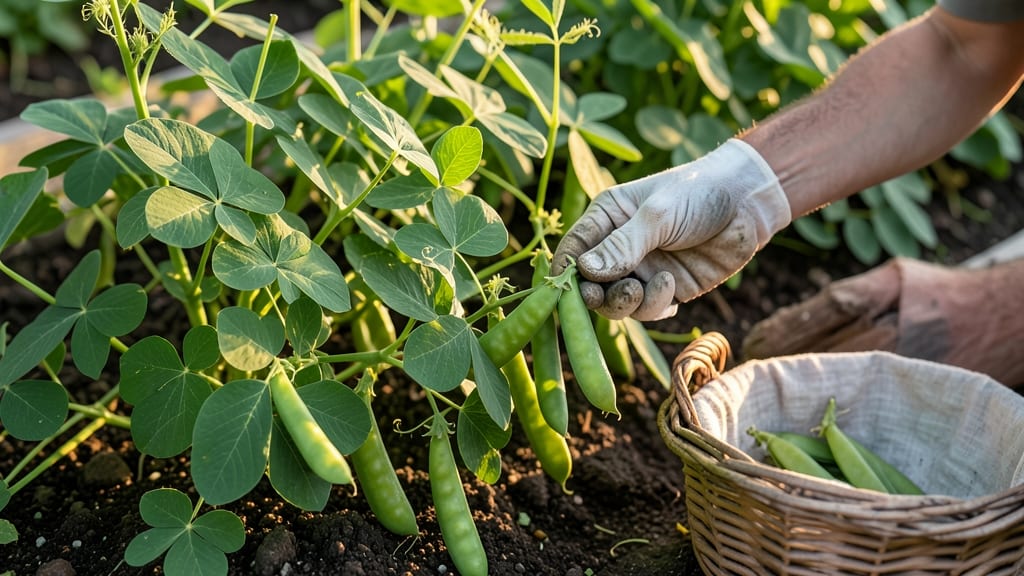
To pick peas from your garden at the perfect moment means catching them when they’re sweetest and crispest—and missing that window turns your harvest into tough, mealy pods. 🌱
Peas are one of the fastest-growing vegetables in your garden—but timing their harvest wrong means sacrificing sweetness and yield. Master the art of picking peas at their peak with these expert tips, from pod size to the ultimate snap test.
You’ll learn how to spot the ideal 2- to 2.5-inch pods, when to trust the snap test over just looking, and how often to check for continuous harvests. Whether you grow snap, shelling, or snow peas, these tricks keep your garden productive all season.
Skip the guesswork and start harvesting peas at their prime—because once they’re overripe, even the best storage can’t bring back that garden-fresh flavor.
How to determine pea pod size for perfect harvest timing
Peas are one of the most rewarding vegetables to grow, but knowing when to pick peas from your garden makes all the difference in flavor and texture. The key lies in understanding pea pod size and maturity for each variety.
Harvest too early, and you’ll miss out on sweetness; too late, and they become tough or mealy. Let’s break down the perfect harvest timing for snap peas, shelling peas, and snow peas.
Not all peas are harvested the same way. Snap peas (like Sugar Snap or Snow Peas) are eaten whole, including the pod, while shelling peas (like Wando or Lincoln) require removing the peas from the pod. Each type has its own ideal pod size and visual cues.
For example, snap peas should be harvested when pods are bright green and crisp, while shelling peas need slightly larger pods with plump, round peas inside.
Here’s a quick reference for pea pod size and when to pick them:
| Pea Type | Pod Size | Color | Texture | Harvest Tip |
|---|---|---|---|---|
| Snap Peas | 2-2.5 inches | Bright green | Crisp, firm | Pick when pods snap easily |
| Snow Peas | 2-3 inches | Vibrant green | Flat, tender | Harvest before pods thicken |
| Shelling Peas | 2.5-3 inches | Bright green | Plump, firm peas inside | Pick when peas fill pod |
For snap peas, aim for pods that are 2 to 2.5 inches long and bright green. If you wait too long, the pods will become fibrous and tough. A quick way to test is to bend a pod gently—if it snaps cleanly, it’s ready.
If it bends without snapping, it’s overripe. Snow peas should be harvested when they’re flat and tender, typically around 2 to 3 inches long. Their pods should be bright green and slightly crisp.
When harvesting shelling peas, look for pods that are 2.5 to 3 inches long and feel firm when squeezed. The peas inside should be plump and round, filling the pod but not overcrowded.
If the pods feel hard or the peas inside are shriveled, they’ve passed their prime. Shelling peas lose sweetness quickly once picked, so harvest them frequently to encourage more production.
Avoid the common mistake of harvesting peas based solely on color or size. Some varieties may look ripe but taste bland or tough. Always combine visual cues with texture tests—like the snap test—to ensure you’re picking at peak ripeness.
For example, a pod that looks green but feels mushy is likely overripe, while one that’s small but firm may still need time to mature.
Another tip is to harvest peas in the morning when temperatures are cooler. This ensures the pods retain their crispness and sweetness longer. Use sharp scissors or pruning shears to cut stems cleanly without damaging the plant.
This encourages more pods to develop and reduces the risk of disease entering through torn stems.
If you’re growing multiple pea varieties, keep a harvesting schedule to avoid confusion. For instance, snap peas may need picking every 2 to 3 days, while shelling peas can be harvested every 3 to 4 days.
Regular harvesting also prevents the plant from redirecting energy to seed production, which can reduce overall yield.
Remember, pea pod size is just one factor in determining harvest timing. Always check for bright color, firm texture, and the snap test to ensure your peas are at their best. With these tips, you’ll enjoy a continuous harvest of sweet, crisp peas all season long. Happy harvesting! 🌱
The snap test method: how to check pea ripeness without guessing
Pea pods can look nearly identical whether they're perfectly ripe or just past their prime. That's why the snap test method is my go-to trick for foolproof ripeness. This simple technique reveals a pea's true readiness by testing its structural integrity—no guesswork required.
Unlike relying on size or color alone, the snap test accounts for variety differences and environmental factors that affect texture.
Why does this method work so well? Peas at their peak have optimal fiber content and moisture balance, creating that satisfying crisp snap when bent. Overripe pods become mushy, while underripe ones stay stubbornly stiff.
The snap test cuts through these variations, giving you a clear audio cue about ripeness that visual checks often miss.
⚠️ WARNING: Avoid Harvesting Too Late! Pea pods lose sweetness and texture within 24 hours of reaching peak ripeness. Overripe peas develop mealy interiors and tough skins, ruining flavor. Check pods every 2-3 days during harvest season (June-July) to prevent missing the window.
If you're growing sugar snap peas, time is even more critical—their sweetness peaks just before full size!
To perform the snap test, hold a pea pod firmly between your thumb and forefinger, about 1 inch from the stem. Gently bend it away from the vine—not sideways—until it either snaps cleanly or resists.
A ripe pod will break with a crisp, audible snap, like a fresh green bean. Listen for that sharp crack rather than a dull bend or a wet squish.
If the pod snaps sharply but feels slightly soft when squeezed, it's ready to eat. If it bends without snapping, it's underripe—wait 1-2 days. A mushy or hollow-sounding pod means it's past prime.
For shelling peas, aim for a slightly firmer snap since you're harvesting for the peas inside, not the pod itself.
For snow peas, the snap should be crisp but flexible—they're ready when they flatten slightly under gentle pressure but still resist breaking. Always test 3-5 pods per plant to account for variability.
Remember, the snap test works best in cool morning hours when pods are firmest. Avoid testing after rain or in hot afternoons, as moisture levels can skew results.
Pro tip: Combine the snap test with a quick pod color check. Ripe peas should be vibrant green (not yellowing or dull). If the pod snaps well but looks pale, it might be nutrient-deficient—consider adding compost tea to future plantings.
With practice, you'll train your ear to recognize that perfect harvest-ready snap in seconds.