
How To
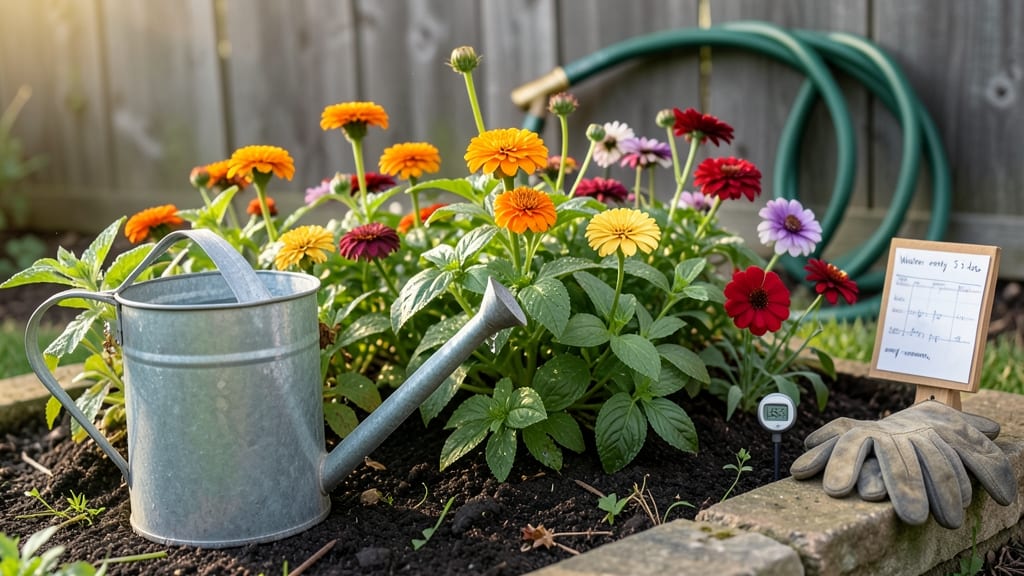
Watering your garden the right way means knowing how often to water—and it’s not just about sticking to a weekly schedule.
Struggling to keep your garden thriving without overwatering or drowning your plants? The secret lies in understanding your soil's unique needs—because one-size-fits-all watering schedules fail every time.
Clay soil holds moisture like a sponge, while sandy soil drains faster than a sieve. Add in heat waves, rain showers, or the type of plants you’re growing, and suddenly your watering routine feels more like guesswork than science.
In this guide, I’ll show you how to read your soil, adjust for seasonal shifts, and keep your 🌱 General Garden Plants perfectly moist—no more wasted water, no more wilted leaves.
How often to water your garden based on soil type and plant needs
Watering your garden isn't about following a rigid schedule—it's about understanding your soil type and the unique needs of your plants. Different soils hold moisture differently, and plants like tomatoes or lavender thrive on completely opposite watering routines.
Let's break down the science so you can water with confidence, not guesswork.
Your garden's soil type is the foundation of your watering strategy. Sandy soil drains quickly and needs frequent, shallow watering, while clay soil holds moisture like a sponge, requiring deep but less frequent watering. Loamy soil, the gardener's gold, strikes a perfect balance.
Knowing your soil type helps you avoid both overwatering and underwatering, two common mistakes that stifle plant growth.
Vegetables like lettuce and herbs need consistent moisture, while shrubs such as rosemary can handle drought once established. Flowers like petunias love frequent watering, but succulents would revolt. The key is matching your watering routine to your plants' natural habits. Let's explore how to tailor your approach based on what's growing in your garden.
Seasonal shifts also play a critical role. In summer, your garden may need watering every 2-3 days, while winter might only require monthly checks. Even the same plant needs different care in different seasons.
For example, a tomato plant in peak summer might need 1-2 inches of water weekly, but in fall, you can reduce that to every 10 days.
Here’s a quick reference to get you started—adjust based on your local climate and soil conditions:
| Soil Type | Watering Frequency | Depth per Watering | Best Time to Water | Seasonal Adjustments |
|---|---|---|---|---|
| Sandy Soil | Every 1-2 days (summer), 3-4 days (spring/fall) | 1-2 inches (shallow) | Early morning | Increase in heat, reduce in rain |
| Clay Soil | Every 3-5 days (summer), 7-10 days (spring/fall) | 2-3 inches (deep) | Late afternoon | Less frequent in wet seasons |
| Loamy Soil | Every 2-3 days (summer), 5-7 days (spring/fall) | 1.5-2.5 inches (moderate) | Morning or evening | Balanced year-round |
| Plant-Specific Watering | ||||
| Vegetables (e.g., lettuce, tomatoes) | Every 1-3 days (deep watering) | 1.5-2 inches | Morning | Increase during fruiting |
| Flowers (e.g., petunias, roses) | Every 2-4 days (light watering) | 1 inch | Evening | Reduce in winter |
| Shrubs (e.g., lavender, boxwood) | Every 3-7 days (deep soak) | 2 inches |
5 Soil test tricks to determine when your garden really needs waterOverwatering or underwatering can both stifle your garden's growth, but checking your soil's moisture levels doesn't require expensive tools. My favorite method is the finger test, which gives instant feedback on how thirsty your plants truly are. Simply push your finger about 1-2 inches into the soil—if it feels dry, it's time to water. This trick works especially well for container gardens where soil dries out faster. Another simple trick is the visual inspection of your soil's surface. Dark, dry patches mean your plants are begging for water, while damp or crusty soil signals you've overdone it. Pay attention to leaf color too—wilting or yellowing leaves often indicate underwatering, while drooping leaves in the morning may mean overwatering. These visual cues help me adjust my watering schedule before damage occurs. 💧 5 Soil Test Tricks 💧
For container gardens, I rely on the weight test. Lift your pots—if they feel noticeably lighter, your plants need water. This method is perfect for herbs and small vegetables that dry out quickly. I also use a DIY moisture meter by inserting a chopstick into the soil and waiting 10 minutes. If it comes out dry, it's time to water. This trick helps me avoid both overwatering and underwatering, especially during hot summer months when evaporation speeds up. Don't forget the leaf test, which is especially useful for herbs and vegetables. Gently tug on a leaf—if it resists, your plant has enough moisture. If it pulls away easily, it's time to water. This method helps me avoid overwatering delicate plants like basil or lettuce, which can suffer from root rot if kept too wet. I also adjust my watering schedule based on the season—plants need more water in summer and less in winter. One of my favorite no-cost tools is the wooden skewer test. Insert a skewer into the soil and leave it for 10 minutes. If it comes out dry, water your plants. This method is great for flower beds where soil moisture can vary widely. I've found that combining these tricks with a simple watering schedule based on plant type keeps my garden thriving without wasting water. By mastering these soil test tricks, you'll develop an intuitive sense of when your garden truly needs water. Start with the finger test, then expand to the visual and leaf tests. Over time, you'll notice patterns in how different plants respond to moisture, helping you create a custom watering plan tailored to your garden's unique needs. Happy gardening! 🌱 | |