
Watering
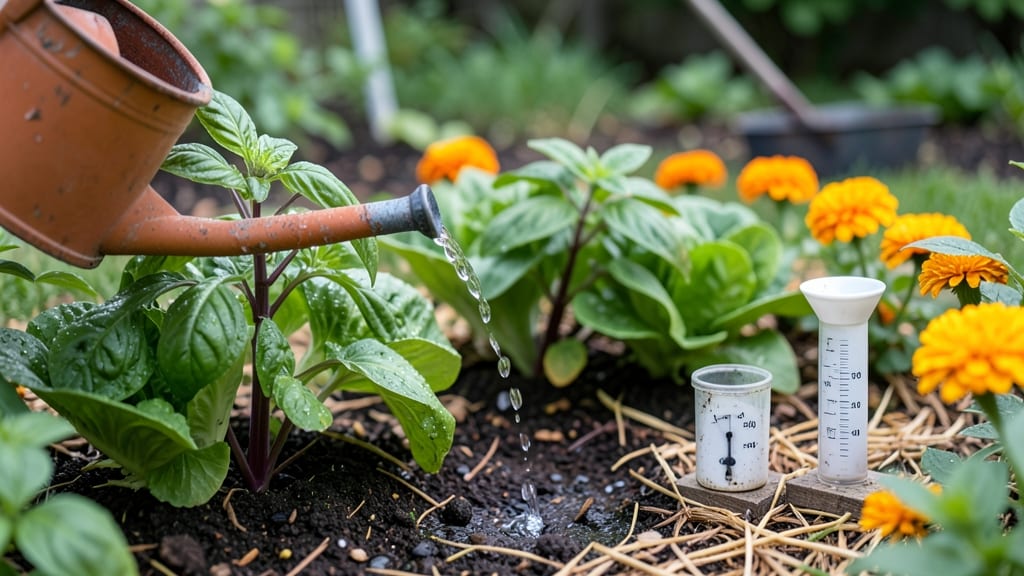
To water your garden properly, you need to know how much is enough—not just a splash from the hose, but the right depth and frequency for each plant type.
Overwatering or underwatering your garden plants can destroy months of hard work—yet most gardeners guess rather than measure how much water their plants truly need.
Soil type, plant roots, and weather all play a role in determining the perfect watering schedule. A quick soil-moisture test can save you time, money, and wilting plants by telling you exactly when to water.
In this guide, I’ll walk you through the best methods for checking moisture, how often to water different plants, and the tools that make watering easier and more efficient.


The perfect soil-moisture test method for watering garden plants
Guessing how much to water your garden can lead to either soggy roots or parched plants—neither of which thrives. The secret to perfect watering lies in understanding your soil's moisture levels at different depths. Unlike surface checks, deep soil moisture tests reveal what your plants' roots are truly experiencing.
I've tested three foolproof methods over years of gardening, and they've saved my tomatoes, roses, and even my finicky succulents from water stress.
Most gardeners make the mistake of watering based on schedules rather than soil conditions. A drip irrigation system can help, but without knowing when to turn it on, you're still flying blind.
The key is checking moisture at two critical depths: the top 1-2 inches (for surface plants) and 3-4 inches (where most roots grow). This ensures water reaches where it matters most—your plant's root zone.
Let's dive into the three methods I swear by, from the simplest to the most precise.
Step-by-Step Soil Moisture Test Methods
-
Finger Test (Best for Beginners)
1. Stick your index finger 1-2 inches into the soil near your plant's base. - 2. If the soil feels dry at this depth, it's time to water. For annuals like lettuce, this is often sufficient.
- 3. For deeper-rooted plants (e.g., shrubs or perennials), push your finger 3-4 inches down. If dry, water thoroughly until moisture reaches this depth.
-
Trowel Check (For Precision)
1. Use a small hand trowel to dig a 2-inch deep hole 3-4 inches from your plant. - 2. Examine the soil color and texture. Dark, crumbly soil means adequate moisture, while light, clumpy soil needs water.
- 3. For vegetables like carrots or potatoes, check 4-6 inches deep—their roots run deep!
-
Moisture Meter (For Tech-Savvy Gardeners)
1. Insert the meter's probes 3-4 inches into the soil (adjust for plant type). - 2. Read the moisture level. Most meters show percentages—aim for 40-60% for most plants.
- 3. For succulents or cacti, keep readings below 20% to prevent rot.
I learned the hard way that surface-level checks don't tell the full story. Last summer, my tomato plants wilted despite my daily watering routine. Turns out, the top inch was moist, but the roots 3 inches down were bone-dry. A trowel check revealed the issue—my sprinkler wasn't penetrating deep enough.
After adjusting to deep watering sessions twice a week, my tomatoes thrived. This method works for container gardens too: just check the soil 1-2 inches from the pot's edge.
For new gardeners, start with the finger test—it's free and requires no tools. But if you're serious about your garden, invest in a moisture meter ($15-$25). I use mine daily to monitor my herb garden and flower beds.
The meter's consistency eliminates guesswork, especially during hot, dry spells when evaporation speeds up. Pair it with a rain gauge to track natural water input, and you'll have a foolproof system.
One common mistake? Testing soil in the shade or near mulch piles, where moisture lingers longer. Always test in the root zone—about 3-6 inches from the plant's base. Another tip: Avoid watering at night.
Wet foliage overnight invites fungal diseases like powdery mildew. Morning watering gives leaves time to dry, and soil moisture tests in the evening will reflect the day's natural evaporation.
Seasonal adjustments are crucial. In spring, when rains are frequent, I test soil every 3-4 days. By summer, I'm checking daily—especially for shallow-rooted plants like basil or radishes. In fall, I reduce watering as plants prepare for dormancy, but I still test to ensure roots stay hydrated.
Even drought-tolerant plants like lavender or yucca need occasional deep watering to establish strong roots.
If you're using drip irrigation or soaker hoses, run them until water emerges from the bottom of the root zone. For most plants, this means watering until you see moisture at 6 inches deep.
My roses and hydrangeas love this method—deep, slow watering encourages roots to grow downward, making them more resilient. Shallow watering leads to weak, surface roots that dry out quickly.
For container plants, the rules change slightly. Since pots dry out faster, I water when the top 1 inch of soil feels dry. But I also check the bottom of the pot—if water runs out the drainage hole immediately, it's time to water again.
Pro tip: Use a moisture meter with a long probe for large containers, or dig a small hole in the soil to check depth.
Remember, overwatering is just as deadly as underwatering. Yellowing leaves, moldy soil, or plants that lean toward light are signs of too much water. If you're unsure, let the soil dry out
Watering requirements by plant type: how often and how deep
Not all plants thirst the same way—some herbs crave frequent sips, while succulents barely need a drink. Understanding your plants' unique needs prevents both root rot and wilting stress. The key lies in root depth and soil type, which dictate how often and how deeply you should water.
For example, tomatoes need deep, weekly soaks to encourage strong roots, while lavender thrives on neglect and shallow watering.
Climate zones also shift the schedule—Zone 9 gardens may need daily watering in summer, while Zone 4 plants might only need watering every 7-10 days in cooler months. Seasonal changes, like spring rains or winter dormancy, further complicate the equation.
Below, we break down the watering rules for your most common garden plants, so you can keep them hydrated without drowning them.
For herbs like basil and parsley, shallow but frequent watering keeps their delicate leaves happy. Stick your finger 1 inch deep—if it feels dry, it’s time to water. Tomatoes, on the other hand, demand deep watering to prevent cracking.
Aim for 3-4 inches deep every 2-3 days during fruiting season. A simple trick? Use a soaker hose or drip irrigation to deliver water directly to the roots without wetting the foliage.
If you’re growing succulents or cacti, resist the urge to overcompensate for their drought tolerance. These plants store water in their leaves, so overwatering is their biggest killer.
Let the soil dry out completely between waterings—usually every 2-4 weeks, depending on your climate. Perennials like hostas and lavender are low-maintenance once established, but they still need weekly watering in spring and fall to encourage root growth. Mulching around the base helps retain moisture and keeps roots cool.
Seasonal adjustments are critical. In summer heat, most plants need 20-30% more water than their spring or fall schedule. Vegetables like peppers and lettuce may require daily watering to prevent wilting. Conversely, in winter, reduce watering to every 2-3 weeks unless you’re in a frost-free zone.
Always water in the early morning to minimize evaporation and fungal risks. With these guidelines, you’ll master the art of watering—keeping your garden thriving without waste.
Pro tip: Group plants with similar water needs together in your garden