
Light Requirements
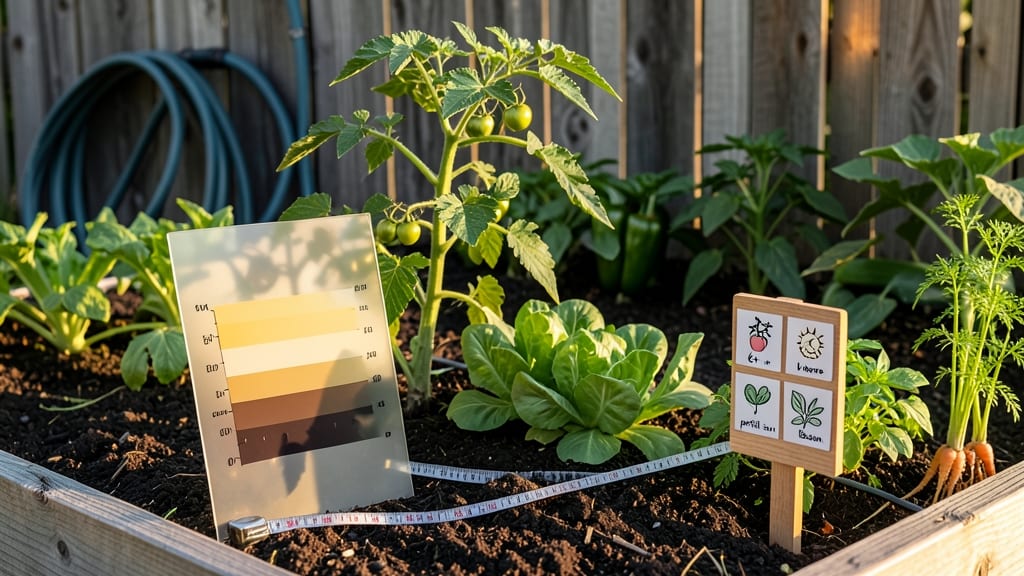
A vegetable garden needs how much sun for vegetable garden to thrive—6 to 8 hours of sunlight daily for most crops—but the exact amount varies wildly depending on what you’re growing, and getting it wrong can mean the difference between a bountiful harvest and a sad, leggy mess.
Sunlight is the lifeblood of your 🥬 vegetable garden, but too much or too little throws everything off. Tomatoes and peppers demand full sun, while leafy greens like spinach can handle partial shade—but how do you balance these needs in a small space?
The answer lies in understanding each plant’s unique requirements and tweaking your garden layout to maximize efficiency.
In this guide, I’ll break down the exact sunlight hours your most common vegetables need, how to spot signs of sun stress, and clever tricks to stretch sunlight in shady spots or protect delicate plants from scorching.
Whether you’re working with a sun-drenched backyard or a north-facing plot, these tips will help you grow like a pro.
You’ll also learn how to adjust for your climate zone, rotate crops for even light exposure, and even use reflective surfaces to trick plants into thinking they’re getting more sun than they are. Let’s get your garden glowing!

Sunlight requirements for vegetable gardens: full sun vs. partial shade breakdown
Understanding your garden's sunlight exposure is the first step to growing a productive vegetable patch. Most vegetables fall into two main categories: full-sun lovers (6+ hours of direct sunlight) and partial-shade tolerators (3-6 hours). The difference can mean lush tomatoes or sad, leggy plants reaching for the sky.
Full sun typically means 6 to 8+ hours of direct sunlight daily, while partial shade ranges from 3 to 6 hours. Some vegetables, like leafy greens, can even thrive in low-light conditions (3 hours or less).
The key is matching your garden's microclimates to each plant's needs for optimal growth and flavor.
Vegetables like tomatoes, peppers, and cucumbers absolutely need full sun to produce quality fruit. Without enough sunlight, they'll stretch toward the light (etiolation), resulting in weak stems and poor yields.
These plants also need intense light to develop their signature flavors—think sweet corn, juicy tomatoes, and crisp cucumbers.
On the other hand, leafy greens such as spinach, lettuce, and kale often prefer partial shade to prevent bolting (premature flowering) in hot weather. These crops grow best with 3 to 5 hours
Best vegetables for low-sun gardens: 5 high-yield crops that thrive with less light
Even if your garden only gets 3-5 hours of sunlight, you can still grow a productive vegetable patch. Many crops actually prefer partial shade to avoid bolting or overheating.
The key is choosing the right varieties and providing consistent care. I’ve tested these five high-yield vegetables in my own shaded garden beds, and they consistently deliver—without requiring full sun.
For shade-loving vegetables, focus on leafy greens, herbs, and root crops that prioritize root or foliage growth over fruiting. These plants evolved to thrive where others would struggle, making them perfect for urban balconies, north-facing yards, or tree-filtered light.
Let’s dive into the top performers and how to maximize their growth in low-light conditions.
🌱 Top 5 Low-Sun Vegetables & Their Needs
- 1. Leafy Greens (e.g., Spinach, Kale, Lettuce): 3-4 hours of sun; harvest outer leaves to encourage regrowth. Avoid bolting by keeping soil cool.
- 2. Radishes: 3-5 hours of sun; ready in 25-30 days. Plant in succession for continuous harvests.
- 3. Green Onions: 4-5 hours of sun; cut 2 inches above soil to regrow. Perfect for containers!
- 4. Bush Beans (e.g., Blue Lake): 4-6 hours of sun; choose compact varieties for shade. Stake if needed.
- 5. Cilantro: 3-4 hours of sun; harvest leaves frequently to prevent flowering. Bolt-resistant varieties like 'Slow Bolt' work best.
⚠️ Pro Tip: Mulch with straw or grass clippings to retain moisture and cool roots in shaded areas.
When selecting seeds or seedlings, look for shade-tolerant varieties labeled as "baby leaf" or "slow-bolting." For example, 'Black Seeded Simpson' lettuce handles low light better than 'Romaine', which needs more sun.
I’ve also found that container gardening with 5-gallon fabric pots gives me better control over soil moisture and temperature in shaded spots.
One common mistake is assuming that more water = better growth in shade. Overwatering can lead to root rot or fungal diseases like powdery mildew. Instead, water deeply once every 2-3 days and let the top inch of soil dry out between waterings.
A moisture meter is a game-changer for avoiding soggy soil in low-light gardens.
To boost growth, enrich your soil with compost or worm castings before planting. These low-sun crops rely on nutrients to compensate for limited photosynthesis. I add a balanced 5-10-10 fertilizer at planting and again when plants are half their mature size.
For herbs like cilantro or parsley, a light hand with fertilizer prevents bitter flavors.
If your garden gets only 2-3 hours of sun, prioritize microgreens or sprouts like broccoli or radish sprouts, which grow on a sunny windowsill. For slightly more light, bush beans and radishes are your best bets—they produce quickly and tolerate dappled shade from trees.
With the right approach, even the shadiest corner can become a productive garden! 🌿